


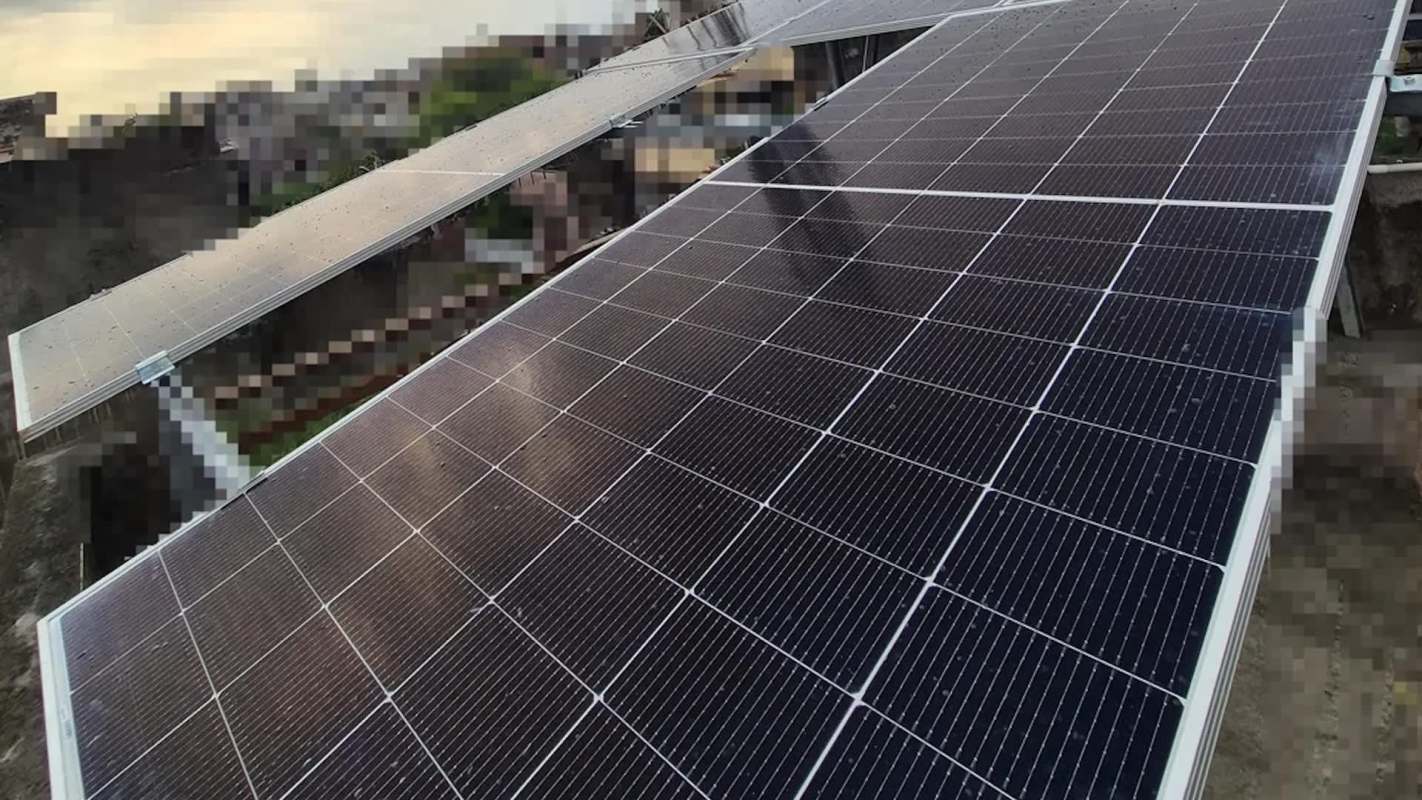
A rooftop solar post from India is drawing attention online for one big reason. Or maybe it's accurate to call it a very small reason, as the system's minimal price is what sticks out.
According to the homeowner posting on the r/solar subreddit, the 3.125-kW Adani TOPCon installation came in at under $2,000 before subsidies and under a grand after government help.
What happened?
The discussion began in a Reddit post, where the homeowner wrote that they "installed a 3.125 kW Adani TOPCon Solar System."
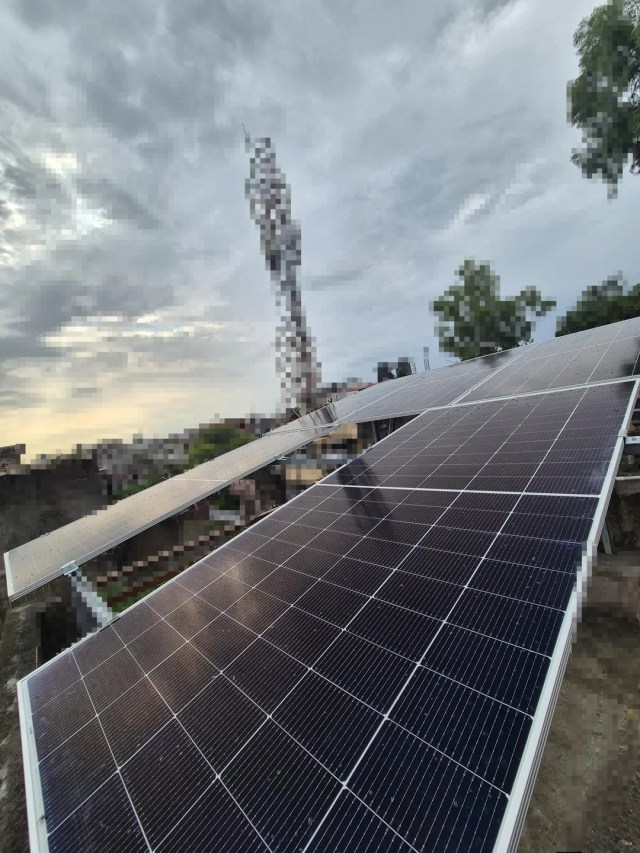
Later in the thread, the poster shared the key pricing details, writing it was "$1939.40, without government subsidy, with government subsidy the final cost would be $943.49." They also said the system was in India and used a Mindra inverter.
The responses highlighted just how low that price seemed to some readers.
"That's crazy cheap," a commenter wrote. "Thank you for the info."
That piqued the interest of the original poster, who wanted to know what was normal in the poster's country.
The Redditor, likely from the U.S., responded.
Save $10,000 on solar panels without even sharing your phone number Want to go solar but not sure who to trust? EnergySage has your back with free and transparent quotes from fully vetted providers that can help you save as much as $10k on installation. To get started, just answer a few questions about your home — no phone number required. Within a day or two, EnergySage will email you the best local options for your needs, and their expert advisers can help you compare quotes and pick a winner. |

"$7000 to $9000," they wrote. "No government support anymore. But it still pays for itself in 10 years."
The thread also turned to the hardware itself. One commenter said that "3.125kW works out to around six 520W panels" and added that "TOPCon beats PERC these days."
Even if you can't land the subsidies and low prices on the Indian market, going solar is one of the best ways to save money on home energy. Homeowners curious about their own numbers can explore EnergySage free tools to get quick solar installation estimates and compare quotes.
Why does it matter?
Solar economics can vary dramatically depending on where you live, what equipment you choose, and whether public incentives are available.
More From EnergySage
💡Go deep on the latest news and trends shaping the residential solar landscape

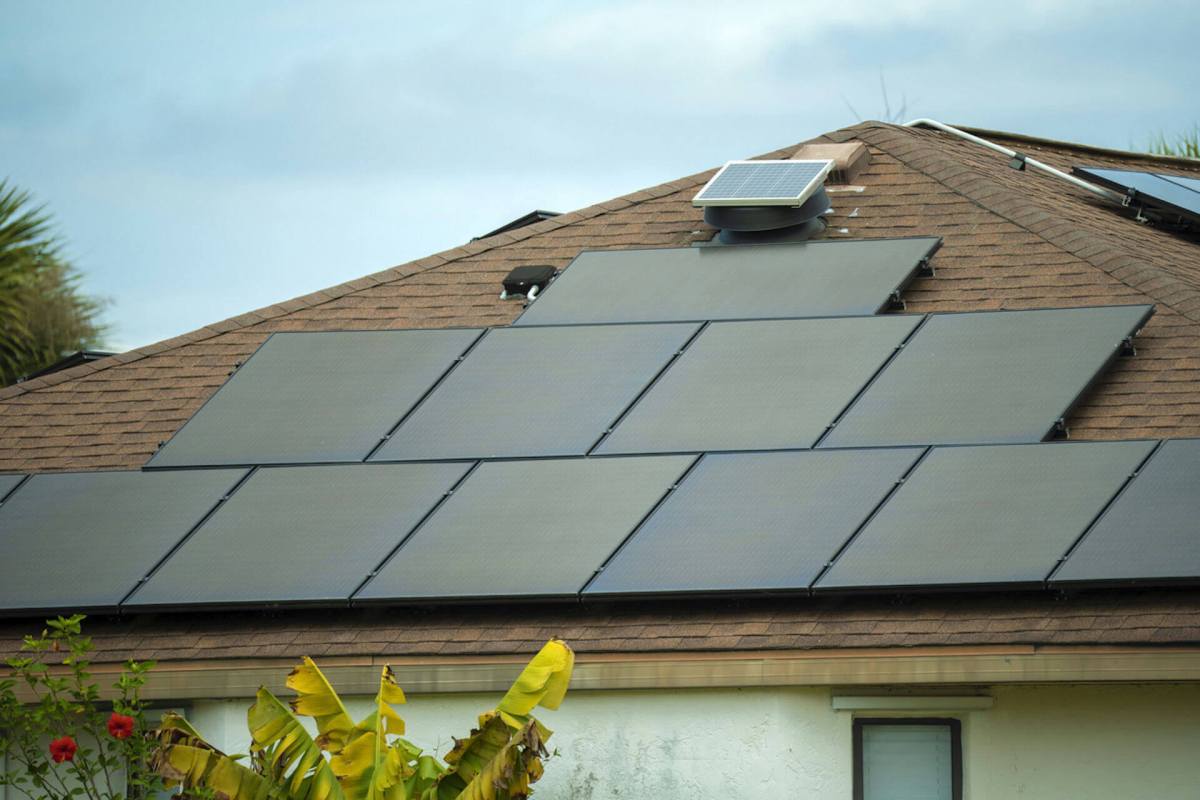


The original poster answered more questions about their situation.
"Our yearly electricity cost is about $350- $450 and after this we expect the bill to reduce 50-60% ie about $150-$250 per year," they wrote.
Rooftop panels can also reduce reliance on electricity generated from dirty energy sources, helping cut the pollution that contributes to overheating our planet and worsening local air quality.
Even for buyers facing much steeper upfront prices, payback was still part of the discussion. Once a system is paid off, the energy it produces can keep shrinking utility bills for years.
What can I do?
If you're considering rooftop solar, comparing multiple quotes is one of the smartest first steps.
EnergySage's free services can make that process much easier. With EnergySage's help, the average person can save up to $10,000 on solar purchases and installations. That kind of side-by-side comparison can help homeowners avoid overpaying and better understand the real impact of incentives.
Readers can also use EnergySage's solar map, which shows the average cost of a home solar panel system on a state-by-state level, as well as details on solar panel incentives for each state. Together, these resources can help readers find the best price for rooftop solar panels and access available incentives.
Adding battery storage to a solar setup is one of the best ways to protect your home during outages, save money on energy, and go off grid. Pairing solar with a battery can also help you use more of your own power when utility rates are high.
Homeowners can explore EnergySage's free tools for information about home battery storage options, including competitive installation estimates.

Get TCD's free newsletters for easy tips, smart advice, and a chance to earn $5,000 toward home upgrades. To see more stories like this one, change your Google preferences here.






