


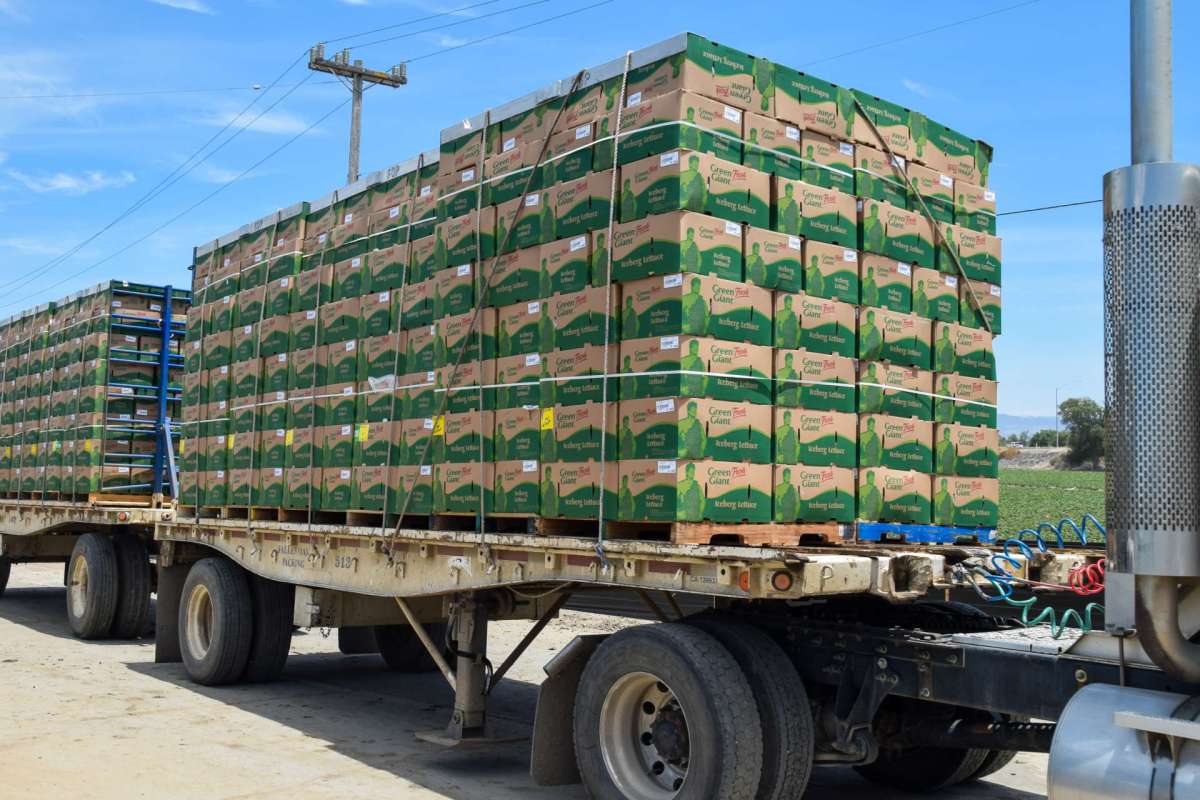
With diesel in Riverside County topping $8 a gallon, the operations behind getting food from farms to retailers are taking a big hit.
Here's what to know
Riverside County farmers say the spike affects almost every aspect of production since fuel is used for both field equipment and hauling, KESQ reported. The price of diesel has now cornered them into a position where they have to choose where to scale back.
While gas prices are rising across the country, Riverside diesel is far more expensive than anywhere else nationwide. AAA data, cited by KESQ, showed diesel at $8.06 a gallon in Riverside County versus a $6.20 national average, and farmers told News Channel 3 that crossing the $8 mark has left them operating with far less room for profit.
Farmers often have little room to absorb a sudden jump in operating costs. Even during steady harvest periods, higher fuel prices eat into profits, making it harder to upgrade equipment and forcing farms to scale back in other areas.
And the higher prices don't just affect farmers; shoppers are bound to see some of that increase reflected in grocery prices.
More background
Fuel volatility is especially disruptive in agriculture because many farming costs are fixed, and the timing of the work is not optional. Crops still need to be planted, irrigated, maintained, and transported on schedule, regardless of diesel prices.
TCD Picks » Quince Spotlight
💡These best-sellers from Quince deliver affordable, sustainable luxury for all




If farmers are forced to keep paying significantly more for fuel over a long stretch of time, they may have to make up those costs somewhere else. That can mean trimming spending, postponing purchases, or passing at least part of the increase along through higher prices for food and other goods to maintain profits.
Where can I learn more?
Riverside County's diesel crunch is indicative of how state oil and gas policy can shape local fuel conditions that often end up affecting businesses and consumers.
• In California, Gavin Newsom gave counties authority over oil and gas operations nearby.
• Across energy markets, investors are treating fossil fuels as promising investments again.
• In West Virginia, old coal plants have driven up costs for ratepayers for decades.
• Globally, some LNG supplies are showing a climate footprint worse than coal in new comparisons.

Get TCD's free newsletters for easy tips, smart advice, and a chance to earn $5,000 toward home upgrades. To see more stories like this one, change your Google preferences here.






