


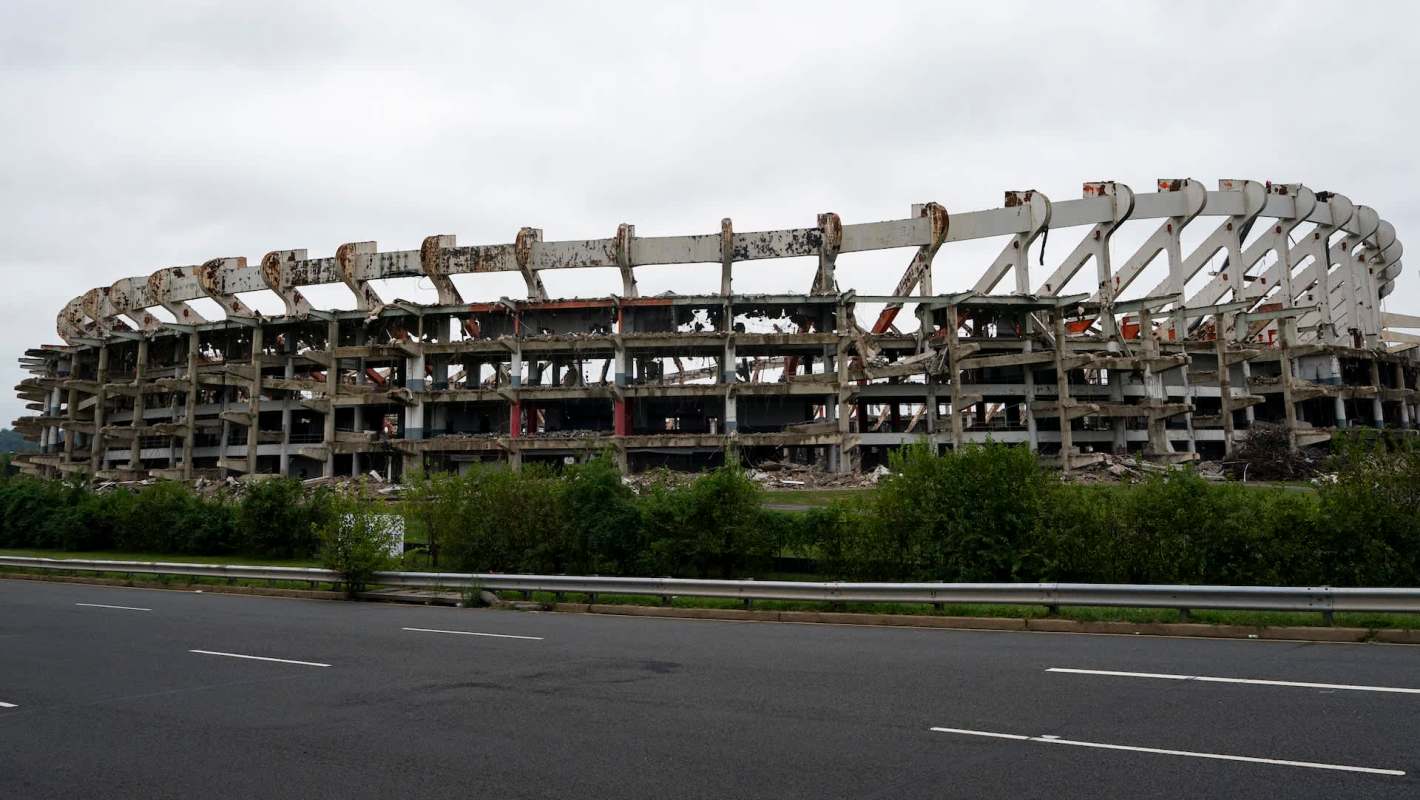
Washington, D.C., is considering a $3.8 billion remake of the RFK Stadium campus that would bring together sports facilities, housing, and commercial development.
For many people who live nearest the property, though, the focus is on possible tradeoffs: busier roads, worse air quality, and higher housing costs that could price out longtime residents.
At a D.C. Council hearing on the completed proposal, residents from Ward 7 and Kingman Park said the neighborhoods bordering the site could end up carrying much of the project's impact while seeing fewer of its rewards.
Here's what to know
Mayor Muriel Bowser's proposal centers on a rebuilt 180-acre RFK campus with a 65,000-seat Commanders stadium, up to 6,500 homes, commercial space, and parks.
As The Washington Sun reported, one feature has become a particular flashpoint: "Garage G2," a nine-story parking garage with 3,600 spaces that would face Kingman Park.
Ebony Payne, the advisory neighborhood commissioner for Kingman Park, told the council that the neighborhood is "still slated to be on the receiving end of the largest parking garage ever built in D.C. history, with 3,600 parking spaces at nine stories high."
TCD Picks » Quince Spotlight
💡These best-sellers from Quince deliver affordable, sustainable luxury for all




A development built heavily around cars could mean dirtier air, louder event days, and more congestion in a neighborhood where people already live, walk, and send their children to school.
Ward 6 council member Charles Allen raised similar concerns about the project's transportation strategy.
"Anybody who tells you this is a transit-first stadium, just do not buy what they are selling," Allen said.
More background
Residents also said the redevelopment could speed up displacement in nearby communities that have spent years trying to maintain affordability and protect their identity.
Speaking to the council, Ward 7 resident Sarah Miller, who lives a few blocks from the site, said, "It is unclear to me why the city can invest so much time and effort into creating these structures, for a lot of people who probably don't live here, and we get stuck with the aftereffects, which are not assets to our neighborhood."
That fear goes beyond traffic. Large developments can drive up nearby property values and rents, making it more expensive for longtime residents to remain in the communities they helped build.
During the hearing, Ward 7 council member Wendell Felder put that concern plainly, asking, "Did we create the conditions that will help prevent displacement, or did we unintentionally contribute to it?"
Environmental advocates also said the proposal could slow progress toward a healthier future if it does not explicitly ban burning fuel sources on the campus.
Maurice Hall, a Ward 7 resident whose family has lived nearby for 50 years, warned, "D.C. residents have contributed over a billion dollars to this project. If fossil fuels are allowed to burn on the site, we will have paid to poison our communities, including our parks, homes and schools."
What's being done?
Brian Hanlon, D.C. Department of Buildings director and RFK project executive, defended important parts of the design. He said, as the Washington Sun reported, that putting parking below ground would cost far more because of how high the water table sits and its closeness to Washington Metropolitan Area Transit Authority tunnels.
The proposal also points to transit improvements tied to the project, including a planned Gold Line rapid bus on H Street and added capacity at the existing Stadium-Armory Metro station.
Still, residents and advocates are urging council members to demand more before signing off on the plan. Their requests include stronger anti-displacement protections, a closer look at whether more robust rail access is necessary, and direct clean-energy requirements written into the development rather than leaving room for polluting systems later.
Felder cited a $60 million community reinvestment fund meant to support efforts such as rent and tax relief for homeowners who have lived there for years.
Even so, residents told lawmakers that money alone may not be enough unless the final legislation includes firmer safeguards.
As resident Laura Richards told the council, "Now is the time to address what happens to those circumference neighborhoods. Instead of waiting 30 years and saying, 'Oh, what did we do wrong?' You can stop it now."
Where can I learn more?
The debate over RFK mirrors fights in other cities over stadium parking, car-centered development, and transit access. The coverage spans oversized parking lots, walkability, and whether major projects are being built for drivers instead of nearby residents.
• In Washington, officials faced backlash over a transit-friendly stadium plan that still prioritized driving.
• In Los Angeles, residents said a parking lot is definitely overkill around Dodger Stadium.
• In Los Angeles, Dodger Stadium's parking lot became shorthand for planning that favors cars.
• In Kansas City, Arrowhead Stadium parking lot criticism focused on egregious land use.
• In Schenectady, neighbors warned the city would basically be for cars near a new drive-thru.

Get TCD's free newsletters for easy tips, smart advice, and a chance to earn $5,000 toward home upgrades. To see more stories like this one, change your Google preferences here.






