


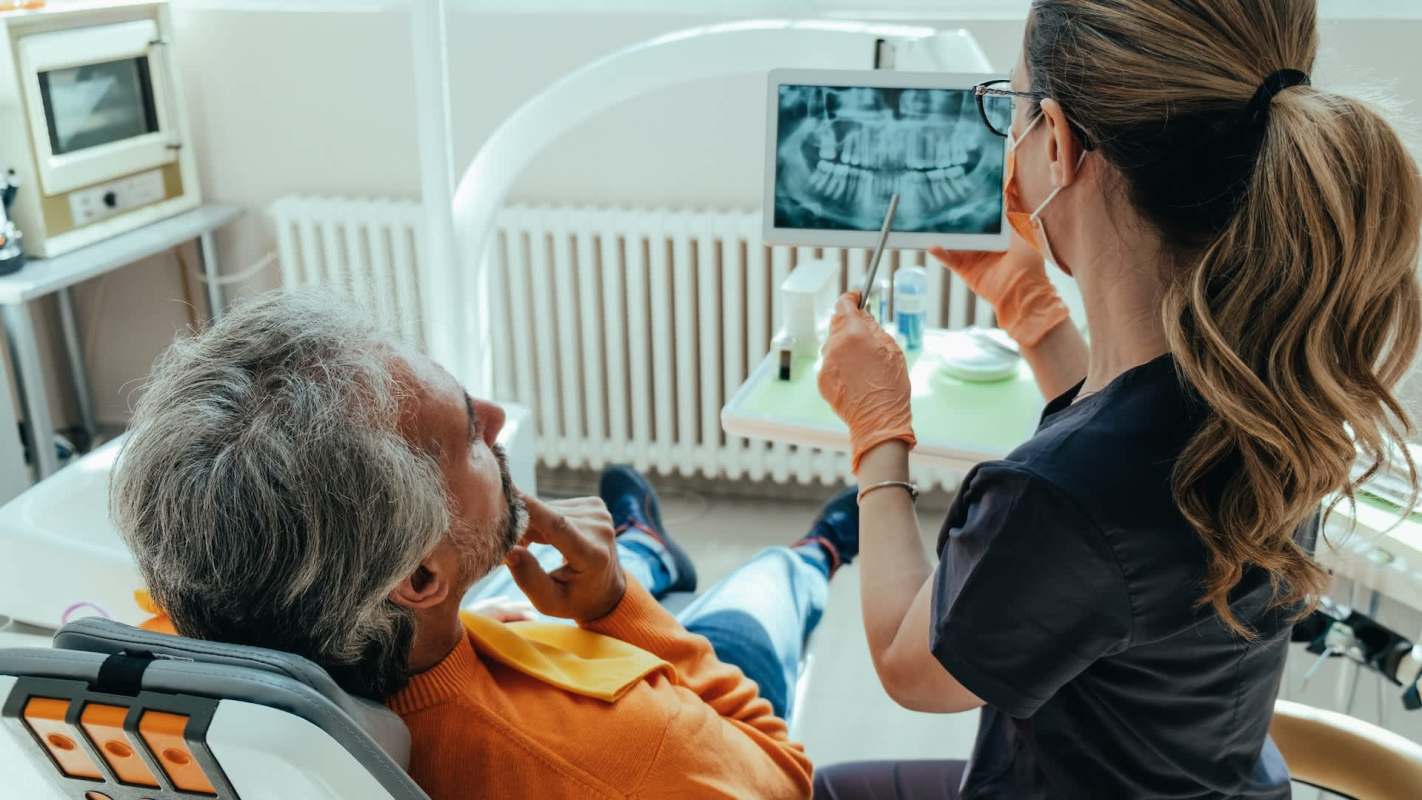
A 62-year-old preparing to retire thought he had already solved a major insurance question: finding an Affordable Care Act plan that could cost him $0 per month. But replacing employer dental coverage before Medicare begins turned out to be the bigger problem — and many early retirees suggested not buying dental insurance at all.
Here's what to know
In r/retirement, the original poster wrote, "I'm retiring (M62) at the end of this year and believe I've figured out my ACA health insurance coverage, which should cost me $0 per month if I'm understanding everything correctly."
He added that the challenge was finding an affordable replacement for his employer-sponsored dental insurance, Delta Dental, that offers similar coverage at a fair price.
Roughly 145 people responded with their own experiences paying for dental care in the window between retirement and Medicare.
One commenter said the simplest option was to skip traditional insurance and use a dentist-run membership plan instead: "My dentist offers their own plan. $399 a year gets two cleanings and X-rays. They also offer a discount with no limit on payout."
Another commenter broke down the cost of routine care and said standalone dental plans often barely penciled out: "Cleaning and exam visit (all of five minutes with the DDS) is about $300. Two times a year, is $600. I can get a plan for roughly $50 / month....so it works out about the same, and there is some additional coverage if something goes bad."
TCD Picks » Quince Spotlight
💡These best-sellers from Quince deliver affordable, sustainable luxury for all




More background
The exchange pointed to a recurring problem for people who retire before turning 65. Medical insurance can sometimes be handled through the Affordable Care Act, while dental often disappears with employer benefits and has to be purchased separately or paid in cash.
One commenter wrote that "it is totally stupid that Medicare doesn't pay dental, vision or hearing," noting an all-too-frequent headache for retirees who need to cover the costs of these services.
A number of replies focused on whether dental insurance saves much money in the first place. One commenter who had previously purchased employee benefits said the plans they handled covered "up to $1500/yr" while costing an employer "around $1k/yr per employee," adding, "No real savings."
Cash prices also looked more competitive to some posters than they expected. After moving, one commenter checked a local provider on a preferred list and said "a cleaning, exam and X-rays" would have cost about "$177" even in a "VHCOL area."
What can be done?
A common suggestion was to ask dentists whether they offer their own annual membership plans. In the examples commenters shared, those arrangements put routine care on a more predictable budget by including two cleanings and X-rays.
Others suggested comparing that yearly total against what would otherwise be spent on monthly premiums. One reply said it was "cheaper to save 100 a month and use that for at least two cleanings a year for you and any family," especially because "most dental insurance only pays out a total of 2K a year for procedures."
For retirees who still prefer insurance, commenters said the annual maximum may be the most important detail to review. Across the thread, payout limits of $1,500 to $2,000 were cited as a major reason many plans felt too limited once premiums were included, making self-pay or a dentist membership plan easier to budget for.
"Dental insurance is basically a way for employers to subsidize the expense for their employees," one commenter wrote. "It makes zero sense to buy it, IMO (obv others here have [different experiences])."
Where can I learn more?
Retirement insurance questions do not end with health and dental coverage. These stories cover home insurance disruptions affecting retirees and homeowners, plus a separate warning about everyday dental care.
• In Idaho, retirees found home insurers flee western states as wildfire risk reshaped coverage.
• In Washington state, a retiree lost coverage and wondered how this could be acceptable.
• Common dental care items may be releasing microplastics into your body during everyday routines.
• Across the U.S., data showed major companies dropping insurance coverage for younger homeowners.
• Americans faced higher premiums as extreme weather drives rate hikes in home insurance.

Get TCD's free newsletters for easy tips, smart advice, and a chance to earn $5,000 toward home upgrades. To see more stories like this one, change your Google preferences here.






