An idea once pushed mainly by farmers and food-system reformers is now being adopted in corporate messaging. As regenerative agriculture moves from the margins to major company talking points, critics worry the concept is losing clarity.
What's happening?
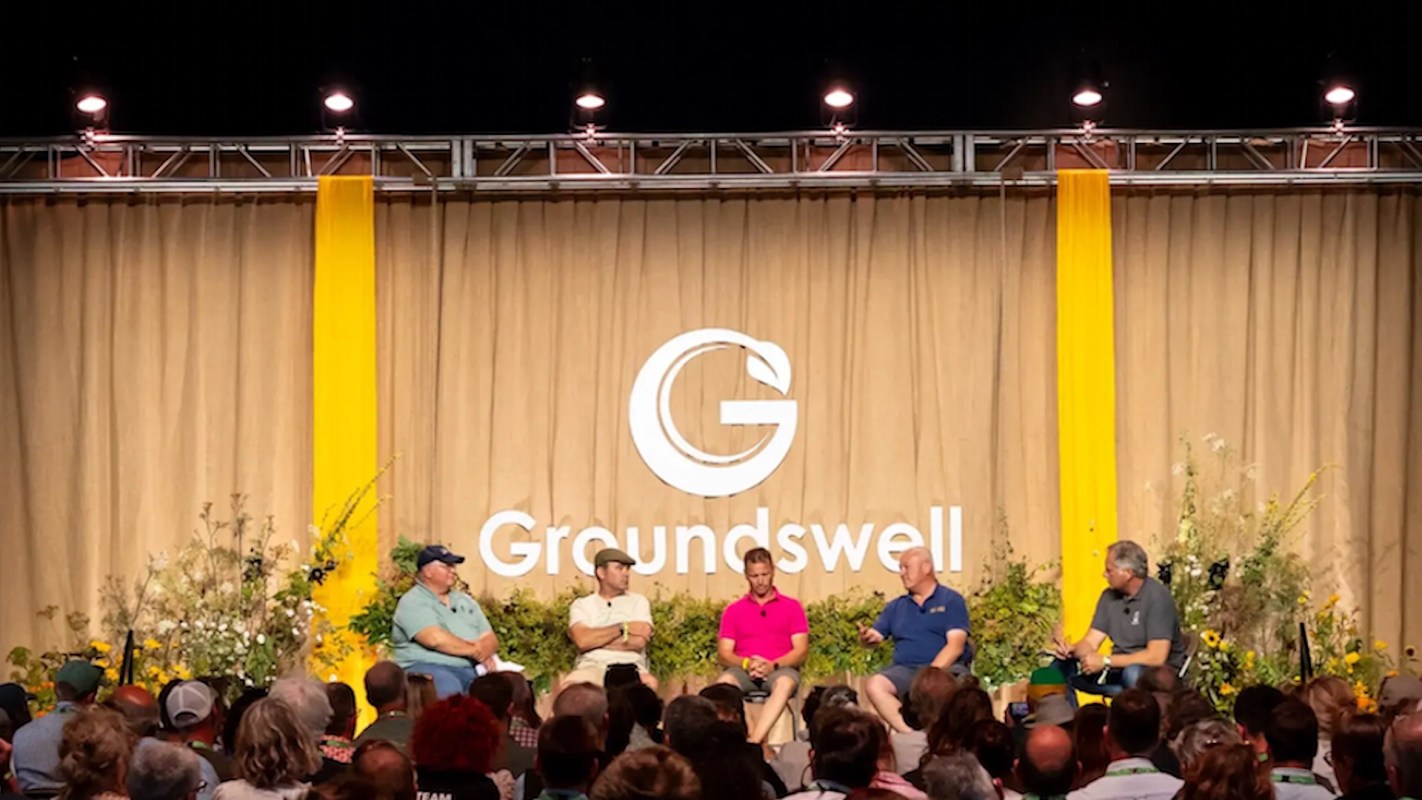
At this year's Groundswell Festival, those tensions were hard to miss, according to The Grocer.
Major companies such as Diageo, Unilever, and PepsiCo now back regenerative agriculture, a sharp contrast with Groundswell's early days. The Grocer said the festival started about 10 years ago as a much smaller event centered on soil health and farming approaches that work with nature.
One indication of the gap between promotion and follow-through came from FAIRR. Its study found that many corporate regenerative agriculture efforts were poorly coordinated and lacked enough support, while only 28% of companies had numerical targets, down from 35% in 2023.
The Grocer also pointed to academic research arguing that non-farming interests had come to dominate the movement by around 2020. As that shift took place, regenerative agriculture increasingly leaned toward marketing campaigns led by large multinational companies.
The label is becoming more widespread even as the evidence behind it appears increasingly uneven.
TCD Picks » Quince Spotlight
💡These best-sellers from Quince deliver affordable, sustainable luxury for all




Why does it matter?
When companies make sweeping environmental promises without clear targets, everyday shoppers can end up paying for branding rather than real improvements. Regenerative agriculture has the potential to support healthier soil, stronger crops, and farms better equipped to handle heat, drought, and other extreme weather.
But if the term becomes a catch-all slogan, that potential gets diluted. Farmers may not receive the investment or sustained support needed to change how land is managed, while consumers are left sorting through vague claims on store shelves.
Greenwashing can further delay that progress while allowing companies to collect public goodwill without making meaningful changes.
What's being done?
Researchers and festival attendees are increasingly scrutinizing claims about regenerative agriculture rather than accepting them at face value, according to the Grocer. The FAIRR findings are one example of outside pressure pushing companies to show measurable progress.
Academic research is also helping document how the movement has shifted as larger corporate players entered the space.
Claims tied to clear targets, timelines, or reporting are more meaningful than broad promises about "supporting regenerative practices."
The issue is not whether to reject regenerative agriculture, but whether companies are doing more than rebranding business as usual.
The recent corporate embrace of regenerative agriculture has not quieted demands for proof, and many people still want substance over slogans. As one attendee at Groundswell put it: "How do we stop the greenwashing element of regen-ag?"

Get TCD's free newsletters for easy tips, smart advice, and a chance to earn $5,000 toward home upgrades. To see more stories like this one, change your Google preferences here.