


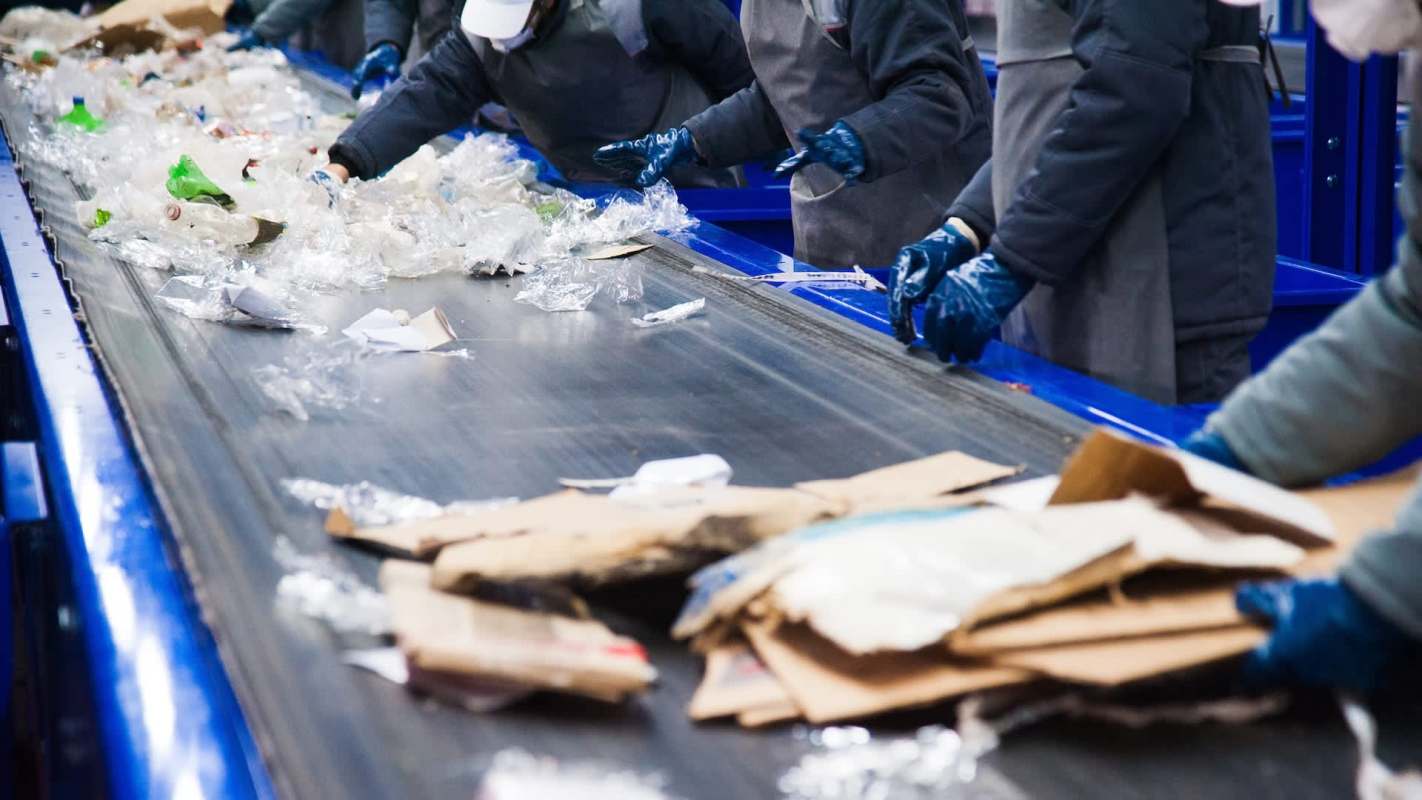
Recycling can help to keep packaging out of polluting landfills and in circulation, reducing the need to create new materials.
But it can also strengthen the economy by supporting hundreds of thousands of jobs that stay in the U.S. Even as governments spend heavily to strengthen domestic manufacturing, recycling is already contributing to that effort, according to Earth911.
What's happening?
A 2024 study from the Recycled Materials Association found that recycling activity contributes $184 billion to the U.S. economy every year. It also found that the industry supports 603,000 jobs nationwide, including 175,000 workers employed directly in recycling.
Those direct jobs come with strong compensation, with average pay and benefits topping $100,000.
A ton-for-ton comparison with disposal helps show the difference. As summarized by Earth911, which cited data from the Institute for Local Self-Reliance's Recycling Means Business report, sorting and processing recyclables create roughly 10 times as many jobs as landfilling or incinerating the same amount of material.
Even more employment is tied to later stages of the system. Remanufacturing recovered materials is associated with about 30 times more jobs. If a fully circular system that includes reuse, repair, composting, and recycling were put into action, it could create 200 times the jobs than disposal in landfills does, according to a major study by the Global Anti-Incineration Alliance.
TCD Picks » Quince Spotlight
💡These best-sellers from Quince deliver affordable, sustainable luxury for all




Meanwhile, curbside collection and the handling of discarded materials have to happen near where those materials are generated, so gathering, sorting, and processing tend to keep these jobs rooted in local communities rather than shifting overseas.
Why does it matter?
That local nature makes recycling especially relevant as supply chain concerns continue to shape industrial policy.
As Earth911 noted, the U.S. relies on imports for more than half of 31 critical minerals, including cobalt, lithium, nickel, and rare earth elements used in electric vehicles, grid storage, and defense electronics.
Recovering those materials from used batteries and electronic waste can help reduce the dependence on supply imports from other countries. Earth911 reported that in March 2026, the Department of Energy directed $500 million toward domestic critical-minerals processing, battery manufacturing, and recycling. This indicates that recycling is not only treated as a supply chain strategy but also as an environmental one.
There is also a financial cost to failing to recover usable materials. The outlet noted that the average U.S. landfill fee was $62.63 per ton in 2024, with Northeast rates above $80 per ton.
In the end, those costs usually fall on residents in utility bill costs or when it's time to file taxes. When recyclable materials are buried or burned instead, communities lose both the value of those materials and the jobs tied to processing them.
What's being done?
Some states are already building systems designed to capture more of that value. As Earth911 described, Oregon's Packaging Extended Producer Responsibility Program began in July 2025 with roughly $200 million a year in producer funding. There are now plans for 144 new recycling centers.
California is set to follow in 2027, while Colorado, Maine, Minnesota, and Washington are also developing similar policies.
These programs are intended to create a steadier stream of recovered materials, which can help companies justify investments in regional recycling infrastructure and downstream manufacturing. Federal support is also expanding, including EPA SWIFR grants that can help communities build local capacity.
Recycling does more than keep material out of landfills. It gives many people job opportunities, helps ease supply chain pressure, and provides manufacturers with useful materials that would otherwise be thrown away.

Get TCD's free newsletters for easy tips, smart advice, and a chance to earn $5,000 toward home upgrades. To see more stories like this one, change your Google preferences here.






