Punjab residents are sounding the alarm over a proposed set of building regulations they say could dramatically reshape their neighborhoods — and not for the better.
What's happening?
The state's newly approved Amended Unified Building Rules, 2025, aim to streamline development standards across cities, but many locals warn that the changes prioritize rapid construction over livability, transparency, and public well-being, leading to "urban slums."
The Punjab Cabinet cleared the amended rules on October 29, despite receiving more than 900 objections from residents, activists, and experts after the draft was released in July.
According to The Indian Express, critics say those objections were quickly disregarded and the approval process lacked meaningful public input.
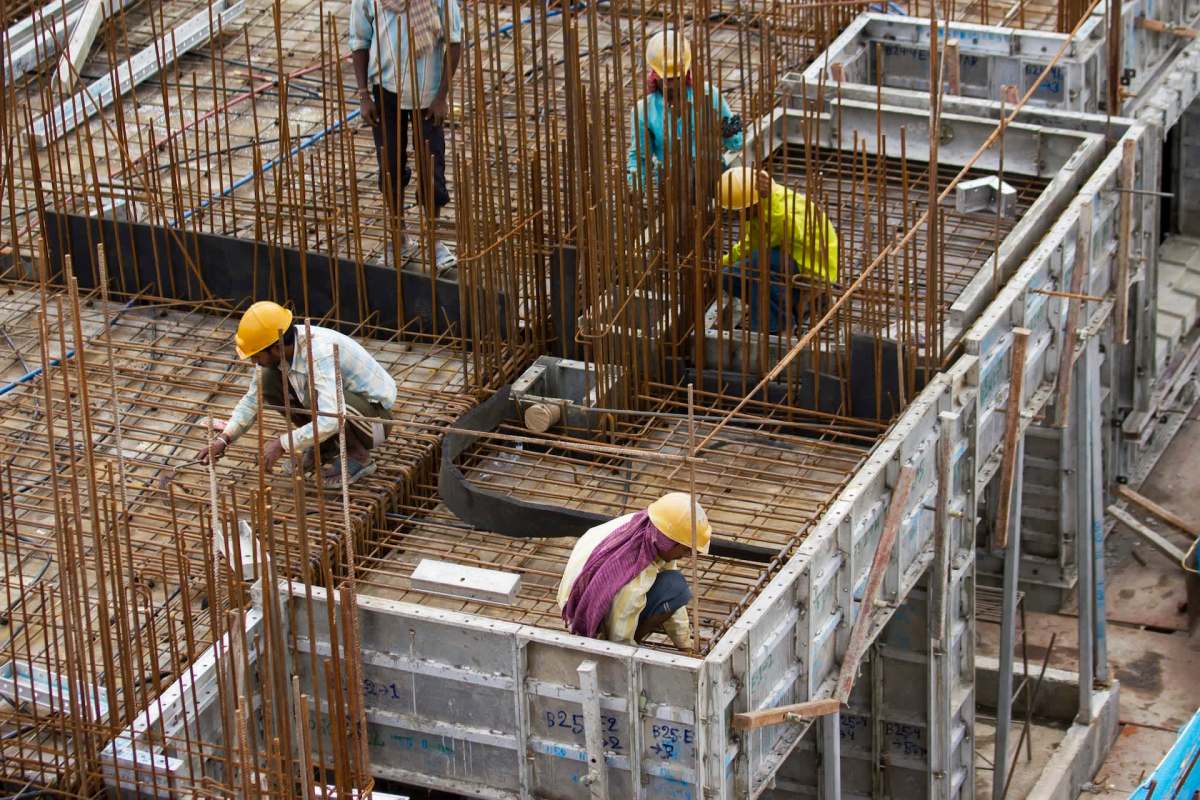
Under the new framework, low-rise building height limits would increase from 15 meters to 21 meters, and "stilt + four floors" construction would be permitted in more areas.
Densities could rise to 900 people per hectare, which many fear will worsen congestion, reduce natural light and airflow, and strain already overburdened infrastructure.
TCD Picks » Quince Spotlight
💡These best-sellers from Quince deliver affordable, sustainable luxury for all




"It seems that our objections were hardly heard," said Sangrur-based activist Jasinder Kaur Sekhon, who also wrote to the chief minister expressing concerns about the process and the officials involved.
Other residents and experts echoed similar fears, with former CRPF DGP Amarjot Singh Gill warning that the rules "will lead to an increase in the already existing urban chaos."
Why is this important?
Residents worry these rules could undermine efforts to build healthier, more resilient cities.
Denser construction without adequate planning can reduce access to green space, worsen air quality, heighten heat exposure, and intensify flooding — issues already becoming more pronounced as global temperatures rise.
|
Would you live in a city where every road was underground? Click your choice to see results and speak your mind. |
 Sign me up 👍
 Communities across India are navigating similar challenges. Poorly planned growth can leave neighborhoods more vulnerable to severe weather, infrastructure failures, and public-health risks.
Punjab residents fear the amendments could accelerate these problems, especially if environmental impact studies and long-term planning aren't prioritized.
What's being done about it?
Some provisions — like requiring stilt parking in new residential buildings — have been welcomed as steps toward easing road congestion. Architects have also praised moves toward greater self-certification, provided that construction bylaws are enforced.
Residents continue to call for transparency and more responsible growth. Advocates in Punjab say the next step is clear: ensure that urban planning decisions meaningfully account for public feedback and prioritize long-term community wellbeing over short-term construction gains.

💰Get TCD's free newsletters for easy tips to save more, waste less, and make smarter choices — and earn up to $5,000 toward clean upgrades in TCD's exclusive Rewards Club.