


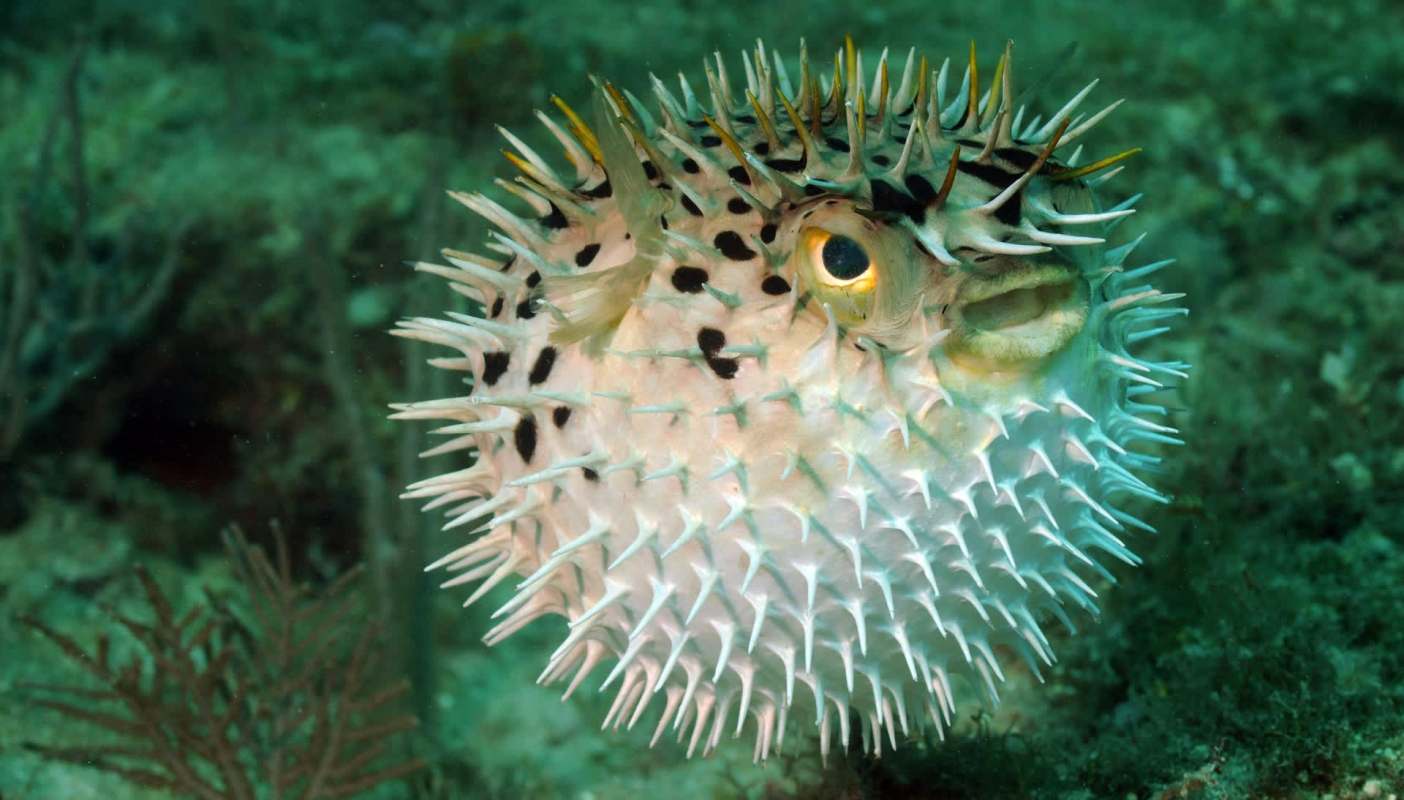
A new payment for catching invasive silver-cheeked toadfish is giving Greek fishermen another reason to target the species, but many in Crete say the fish is still causing damage that money alone will not solve, from ruined nets and lost income to concerns about the future of the trade.
What's happening?
Greece's pilot bounty program is already changing catches in Ierapetra, where fishermen hauled in 200 silver-cheeked toadfish in a single day, according to To Vima.
The program offers €5.33 ($6.09 USD) per 2.2 pounds (1 kilogram) and is being implemented in Crete and the South Aegean, where the species is most widespread.
Charalambos Tzarakis, president of the Ierapetra Fishermen's Association, said local fishermen are already seeing the shift in what they bring ashore.
"Today we caught about 10 kilos of silver-cheeked toadfish — 20 fish in our heavy nets," he said, per To Vima.
Even with the bounty in place, fishermen say they still do not know exactly what is supposed to happen after the fish are landed. Their concern is not only removing the species from the water, but also whether there is a clear system for safe storage, collection, and processing.
TCD Picks » Quince Spotlight
💡These best-sellers from Quince deliver affordable, sustainable luxury for all




In Heraklion, fishermen say the damage to their equipment is piling up.
One fisherman described the toll on his gear this way: "Yesterday we set our nets, and they caused 50 tears. Fifty damaged spots in a single day. In ten days, that's 500. Repairing just one tear takes between half an hour and an hour. Then you have to buy new nets, and replacing them costs €6,000 ($6,854.34 USD) to €7,000 ($7,997.85 USD)."
Why does it matter?
Each damaged net adds repair labor, replacement costs, and more lost income for fishing crews already under strain.
One fisherman summed up the burden this way: "We go out to work, and they destroy the nets, they destroy the longlines. We're losing a huge amount of income. Now we have to make different gear — heavier equipment with steel cable — just to catch them."
As a fisherman identified only as Mr. Nikos put it: "It affects tourism, and it affects fishermen. There won't be another generation — we're the last one."
What's being done?
Greece's pilot bounty program is intended to reduce the silver-cheeked toadfish population while also easing some of the financial pressure on fishermen.
But fishermen in Crete say payment alone does not solve the practical problems surrounding the catch. Because the species is toxic, they say that removing it from the sea is only the first step, and whatever comes next needs to be handled in a clear, organized way.
Some are asking regional authorities for freezer storage and a defined collection process.
Without that support, fishermen say the bounty risks becoming only a partial fix, with fishing families left to manage the most difficult part themselves.
"But there needs to be a plan for what happens next," Tzarakis said. "They should be stored in freezers provided by the regional authorities. Who will collect them? Who will take delivery? That's where the problem lies."

Get TCD's free newsletters for easy tips, smart advice, and a chance to earn $5,000 toward home upgrades. To see more stories like this one, change your Google preferences here.






