


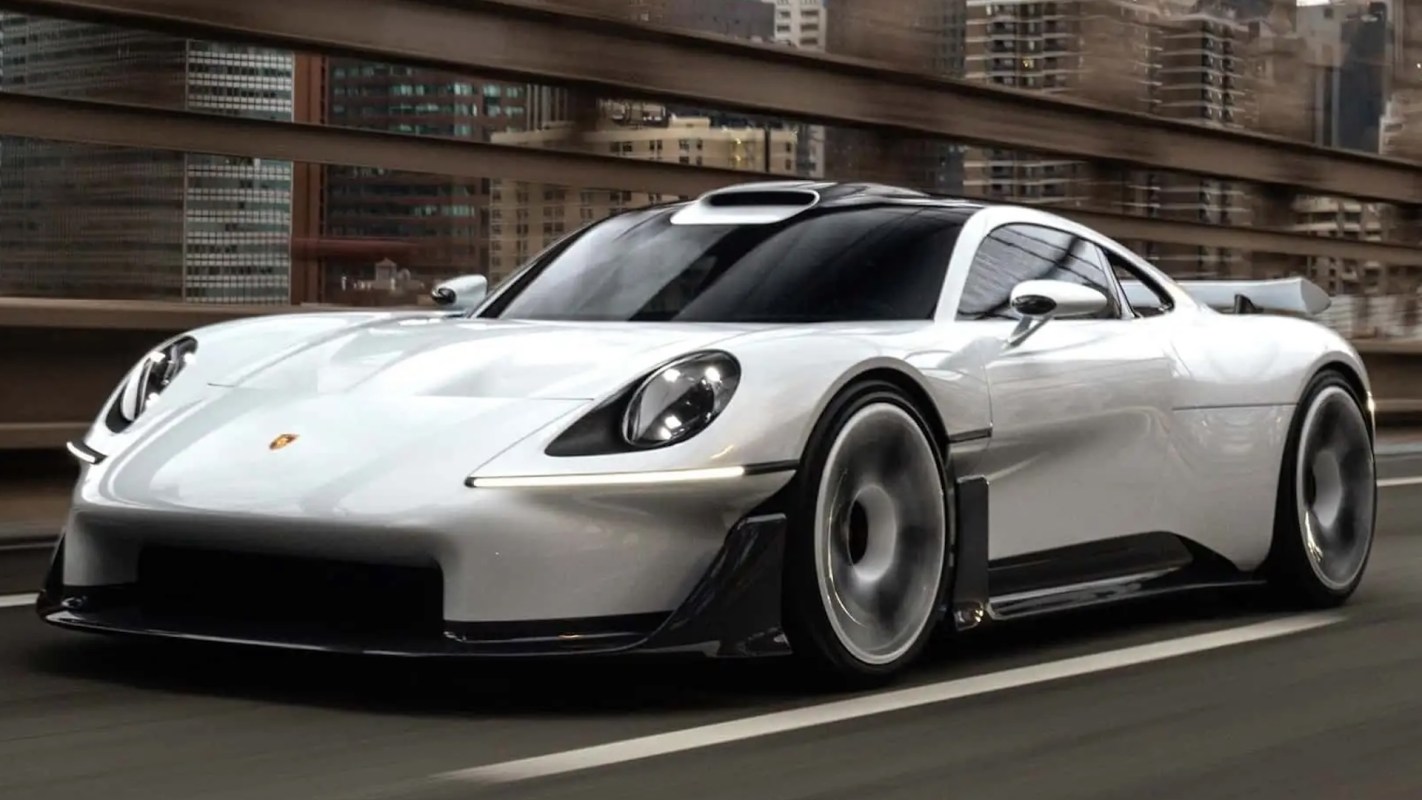
Porsche is still betting big on electrification, but it has drawn a clear line around its next performance car.
The automaker's upcoming mid-engined model, which will sit above the 911, will not get a fully electric version, according to Motor1.
Here's what to know
Porsche is creating a new platform for a flagship supercar above the 911 and does not intend to sell it as a battery-electric model.
Instead, the company wants that architecture to work with internal combustion, conventional hybrid, and plug-in hybrid powertrains.
That approach sets the supercar project apart from Porsche's broader strategy, which has otherwise embraced EVs in other parts of the luxury and performance market.
For the Mission S, the platform is being engineered so the car can still be built around an engine rather than a large battery pack, even as other automakers continue pushing deeper into electric performance.
TCD Picks » Quince Spotlight
💡These best-sellers from Quince deliver affordable, sustainable luxury for all




More background
Porsche has already made major moves in electrification with the Taycan, Macan, and Cayenne, and the 718 Boxster and Cayman are expected to return without combustion engines.
This is not a company rejecting EVs altogether. Instead, Porsche appears to be applying electrification selectively across its lineup.
The company has already said it will never manufacture an electric 911, and its latest decision on its new supercar suggests the same thinking for its most emotion-driven vehicles.
A supercar buyer looking for sound and engine character is a very different customer from someone focused on lower operating costs.
Outside the exotic-car niche, EVs offer major practical advantages, including lower fuel costs and less routine maintenance because they don't need oil changes and generally have fewer moving parts to service.
What can be done?
Rather than committing its next flagship to one powertrain, Porsche is developing the new platform to handle combustion engines, hybrids, and plug-in hybrids while continuing to sell and develop EVs elsewhere in its lineup.
For consumers not shopping for a six-figure supercar, buying an electric vehicle is still one of the clearest ways to cut fuel costs and reduce maintenance hassles, even as brands like Porsche see softer demand for all-electric performance at the very top end.
Charging setup can also make a major difference in those savings. Charging an EV at home often costs about half as much as using public chargers, but basic Level 1 charging is slow. Qmerit offers free, instant installation estimates for fast Level 2 home charger installations, making daily charging far more convenient and affordable.
Porsche still sees limits to electrification in the supercar space.
"There won't be a BEV on that platform because there is no demand, in this segment, for an EV there," said CEO Michael Leiters, per Motor1.

Get TCD's free newsletters for easy tips, smart advice, and a chance to earn $5,000 toward home upgrades. To see more stories like this one, change your Google preferences here.






