


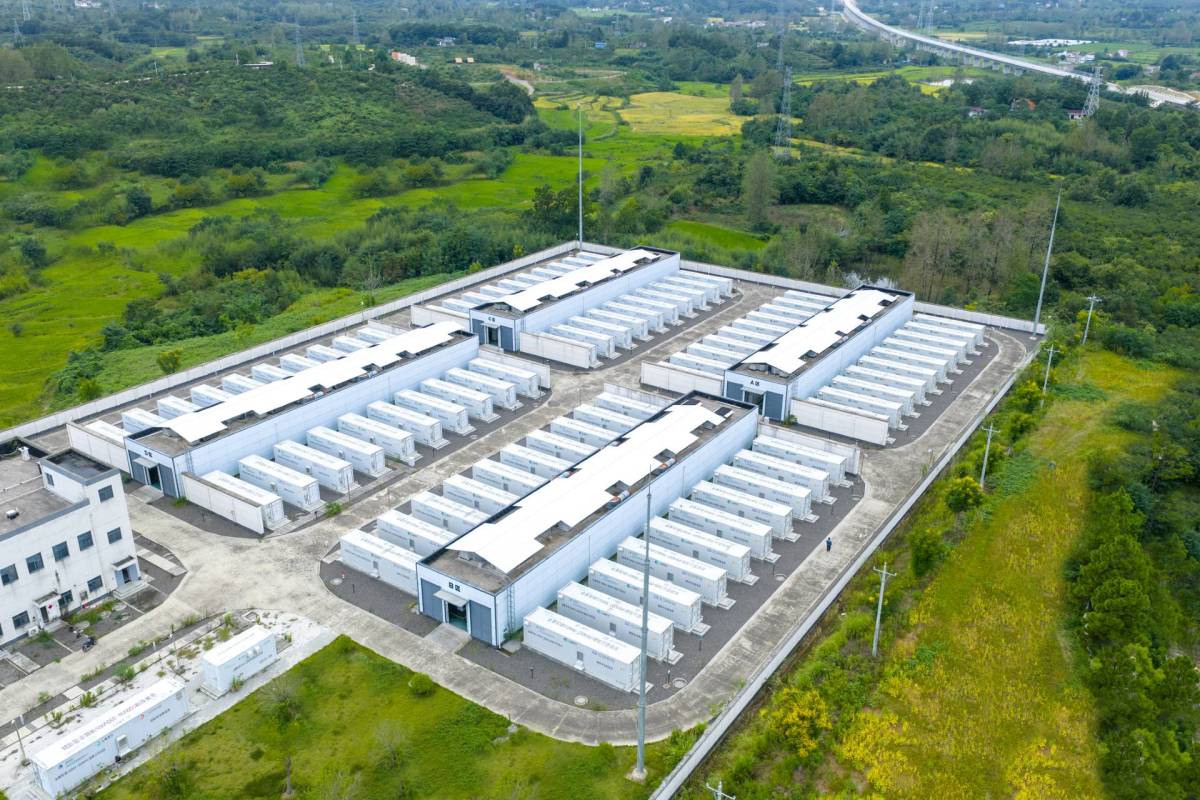
A possible El Niño in 2027 is adding urgency to an $11 billion battery-storage proposal in the Philippines, where residents face the highest electricity rates in Southeast Asia.
Here's what to know
Henry Sy Jr., chairman of Synergy Grid & Development Philippines Inc., proposed building a 10,000-megawatt 'powerbank' within five years, according to Gulf News. The National Grid Corporation of the Philippines is a subsidiary of Synergy Grid & Development Philippines Inc.
The proposal is linked to NGCP's Project Airbag, which the organization says already has 850 megawatts of storage underway in Laoag, Gamu, Santiago, Calatrava, Dumanjug, and Ubay.
The full proposed network would require approximately 700 billion Philippine pesos ($11.1 billion). At a minimum price of 7 billion pesos ($111 million) for every 100 MW, that initial work would cost about 59.5 billion pesos ($9.4 billion).
Dependable generation would still be essential during prolonged electricity shortages, even with batteries available. Sy's proposed use of storage addresses gaps in the country's supply: electricity held for later use can help the grid manage fluctuations.
More background
According to the Philippines' Department of Energy, electricity averages 12.43 pesos (around 20 cents) per kilowatt-hour in the country, more than elsewhere in Southeast Asia.
TCD Picks » Quince Spotlight
💡These best-sellers from Quince deliver affordable, sustainable luxury for all




For households and businesses facing those bills, fewer shortages during peak demand and less reliance on costly emergency power could provide financial relief.
A possible El Niño in 2027 presents another concern. According to Gulf News, the Visayas already faces particularly tight electricity supplies, making additional backup capacity especially important there. Hydropower plants that rely on reservoirs can produce less electricity when rainfall drops.
A Philippine Energy Plan summary projects a 2035 peak demand of 33,056 MW, up about 83% from 2024's 18,056 MW.
The proposed battery network's 10,000 MW discharge capacity would amount to about three-tenths of that projected peak.
What's being done?
The DOE has outlined a decade-long auction to procure at least 25 gigawatts of renewable energy, with delivery dates between 2027 and 2035, Gulf News reported.
Sy said battery storage could help the country incorporate more renewable power while reducing its exposure to fluctuations in imported fuel prices.
According to a McKinsey & Co. analysis, battery-storage prices have declined 93% over 15 years, making solar paired with storage competitive with gas plants used to meet peak demand.
San Miguel Global Power says its battery operations already total about 1,000 MW at 32 locations in the Philippines.
A DOE rule bars the grid operator from owning batteries because the Electric Power Industry Reform Act classifies them as generation. Financing and how project costs would be reflected in electricity rates also remain unresolved.
Beyond the six sites already underway, NGCP says it is assessing a further 1,000 MW at 12 locations.
Where can I learn more?
The Philippines' battery proposal tackles two familiar concerns: power outages and high electricity bills. These stories offer more examples of El Niño outage preparation, battery-storage funding and auctions, and Philippine solar loans and power-bill legislation.
• Tesla reminds Powerwall owners to use Storm Watch for outages as El Niño looms.
• Massachusetts awarded $40.3 million for battery storage and backup power at critical sites.
• In the Philippines, GSIS is launching solar loans for pensioners alongside increased benefits.
• A Philippine bill could eliminate system loss charges from consumers' electricity bills.
• Illinois secured 600 MW of battery storage in its first auction, missing its target.

Get TCD's free newsletters for easy tips, smart advice, and a chance to earn $5,000 toward home upgrades. To see more stories like this one, change your Google preferences here.






