


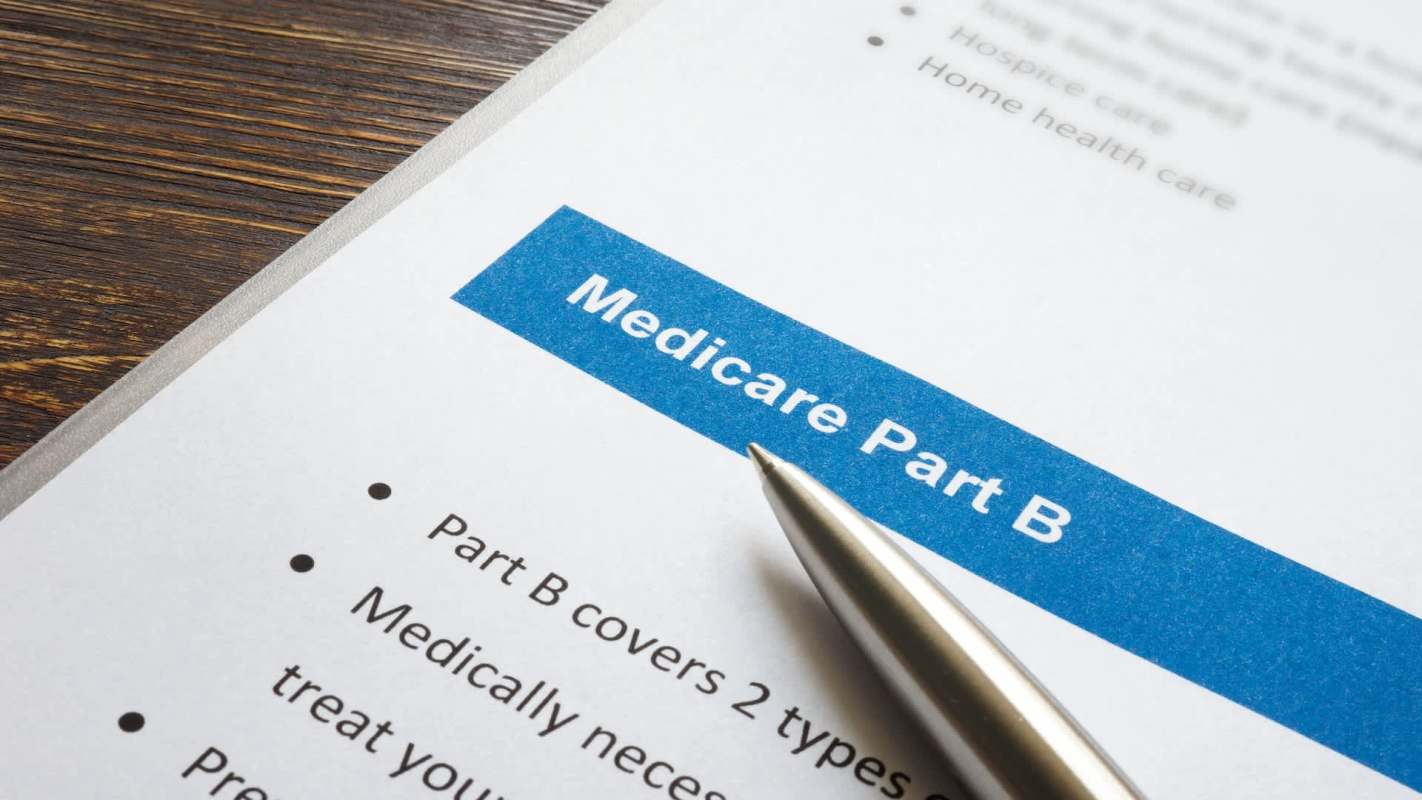
At 65, a former machine-parts employee chose a roughly $350,000 pension buyout because it seemed like the option that would offer more control in retirement. Two years afterward, that decision came back in the form of a Medicare charge that made him look far richer on paper than he actually was.
What happened?
He sent part of the payout into an IRA, put another chunk toward a taxable brokerage account he was building up toward a future kitchen remodel, and began drawing Social Security payments at 66.
A Medicare notice landed after that, showing his Part B premium climbing from the standard roughly $203 a month to about $649, along with about $83 in extra Part D drug-plan costs.
According to 24/7 Wall St., the culprit was Medicare's two-year income review. Premiums for 2026 are based on the modified adjusted gross income shown on a 2024 tax return.
He took the pension as cash. The full buyout was treated as ordinary income for that year. Once partial wages, Social Security, and interest were included, his income likely topped $205,000 as a single filer, putting him into one of Medicare's higher Income-Related Monthly Adjustment Amount, or IRMAA, brackets.
That single inflated tax year was enough to produce about $6,400 in surcharges over 12 months.
TCD Picks » Quince Spotlight
💡These best-sellers from Quince deliver affordable, sustainable luxury for all




Why does it matter?
A one-time retirement payout can later show up as higher Medicare premiums.
After spending years at an unstable company, taking a lump sum may have seemed safer than relying on a lifetime pension. But the tax consequences created a second financial blow long after the money had been paid out.
IRMAA thresholds are unforgiving: going over a cutoff by even $1 can bring the entire higher premium. That kind of all-or-nothing pricing can catch retirees whose income only briefly spikes, even if they are not consistently high earners.
One-time financial events can ripple through retirement budgets. Social Security, Roth conversions, home-sale gains, required minimum distributions, and pension cash-outs can all raise the income Medicare later uses to set premiums.
A jump from about $203 to $649 a month can directly affect what is left over for groceries, prescriptions, and housing.
What can I do?
One way to avoid a spike like this is a pension rollover handled trustee-to-trustee, sending the funds straight into an IRA, which keeps the full amount out of that year's taxable income and lets withdrawals be spread over time instead of creating one large surge.
Major financial decisions near Medicare age can affect IRMAA, not just taxes. A cash buyout, investment gains, or even a well-timed asset sale can affect premiums two years later.
If income has genuinely fallen because of leaving work or losing pension income, filing Form SSA-44 may help request reconsideration of the surcharge. A lump-sum payout someone chose to take won't qualify on its own, but it can matter in overlapping circumstances.
Paying for advice before signing buyout paperwork may be worth it. A brief conversation with a tax professional can cost far less than a year of avoidable Medicare surcharges.
For many retirees, the real shock is realizing that the system is not measuring their financial reality today. As one forum member put it, he was simply "living on Social Security and a garden."

Get TCD's free newsletters for easy tips, smart advice, and a chance to earn $5,000 toward home upgrades. To see more stories like this one, change your Google preferences here.






