


A proposed high-voltage transmission line in Pennsylvania is turning a regional energy project into a deeply personal fight for dozens of homeowners.
For many families in Luzerne County, the dispute reached beyond wires and towers. It centered on whether they can keep the places they have shaped their lives around.
What's happening?
In Luzerne County, 30 properties are now part of eminent domain actions after PPL Electric Utilities moved to grow an existing corridor for the Sugarloaf Transmission Project, as reported by the Williamsport Sun-Gazette.
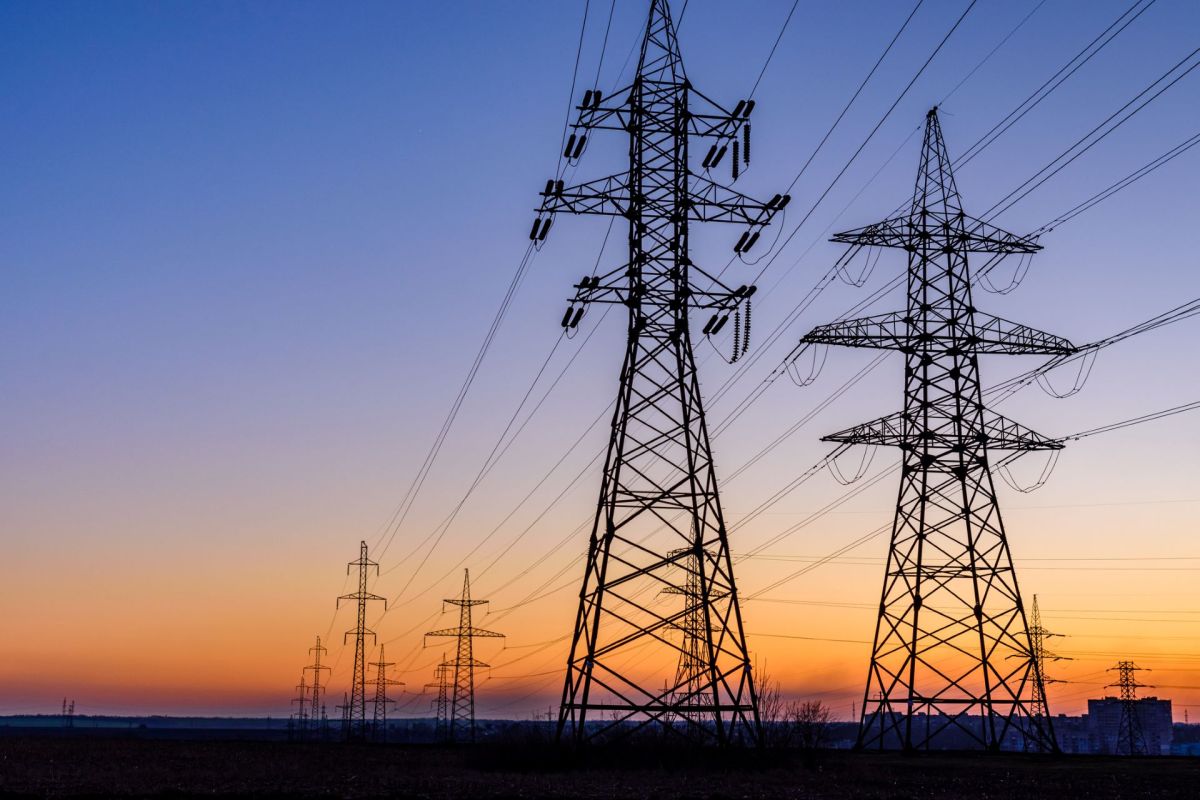
Plans for the project call for a 500-kilovolt transmission line and towers that would stand about 200 feet tall. They would fall within a rapidly growing area of data center development within Luzerne County.
And while some residents did agree to work with PPL on acquiring their land, the many who didn't led the utility to begin eminent domain filings to displace them.
Tiffany and Erik Sharkey, along with their young child Gwen, are among the residents caught up in the dispute. Tiffany Sharkey told the Sun-Gazette, "I would never take any of their money for any of this."
TCD Picks » Quince Spotlight
💡These best-sellers from Quince deliver affordable, sustainable luxury for all




According to the Sun-Gazette, the current proceedings focus on landowners who did not accept the utility's terms, with offers ranging from $8,003 for about three-tenths of an acre to $88,483 for seven acres.
The utility has said that the project is needed and safe and argued that it will serve growing regional electricity demand while supporting grid reliability.
New filings were added as recently as Wednesday as of last week's update. People involved also expect Public Utility Commission administrative law judges and attorneys to visit the affected properties in person.
Why does it matter?
The conflict is playing out in a part of Pennsylvania connected to a larger push for data center development.
On Governor Josh Shapiro's "Fast Track" list, three of the state's nine projects are in Luzerne County, the Sun-Gazette reported, including a proposed development known as Project Hazelnut near the transmission route.
AI and the infrastructure that supports it are becoming increasingly tied to the power grid. But because data centers can require enormous amounts of electricity and water, they are straining local infrastructure, raising costs, and fueling concerns about security, land use, and who bears the burden of rapid expansion.
The case reflects a recurring tension in the build-out of AI infrastructure, where developers want to quickly erect data centers without considering the people who live closest to them.

Get TCD's free newsletters for easy tips, smart advice, and a chance to earn $5,000 toward home upgrades. To see more stories like this one, change your Google preferences here.






