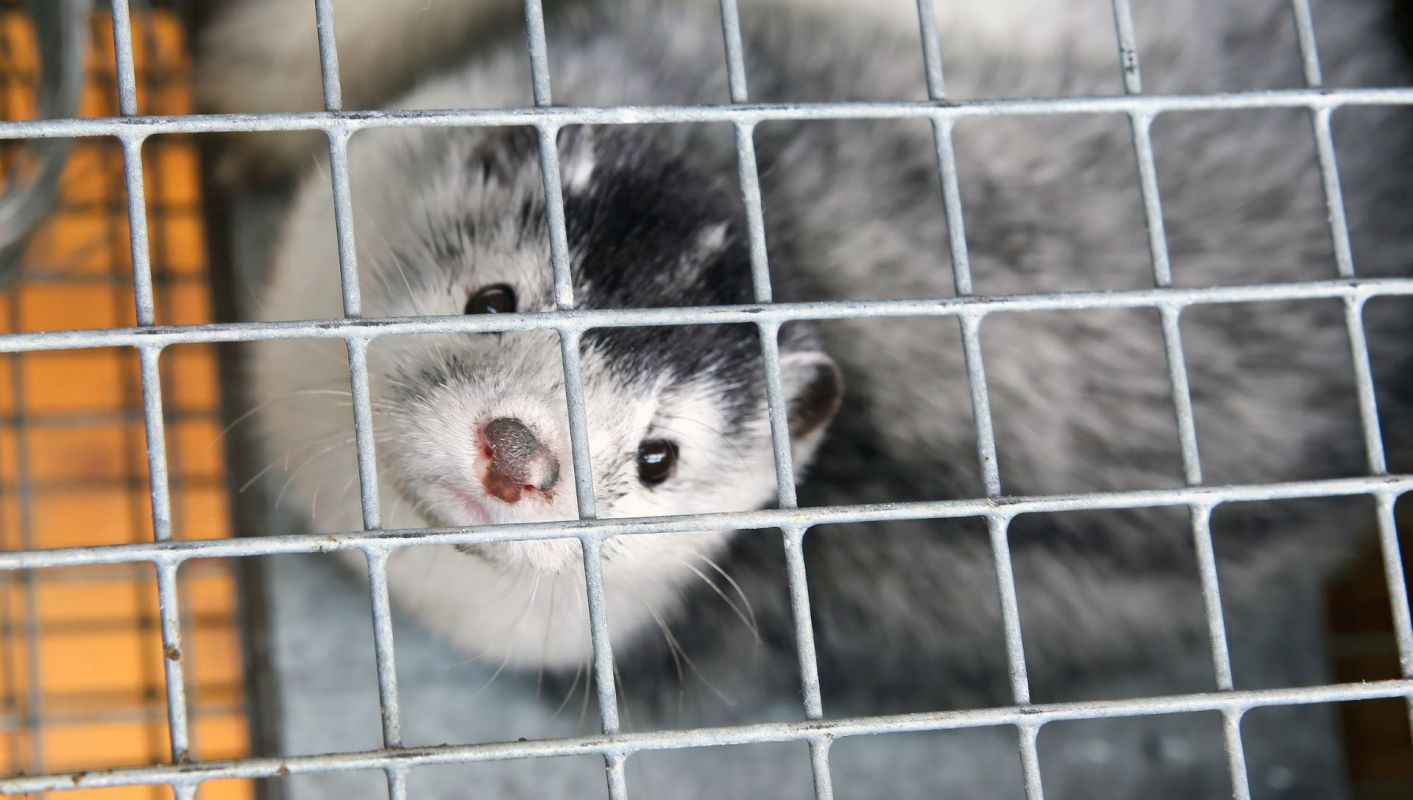
A Pennsylvania court is weighing more than the fallout from a high-profile mink release, in a case that could also test how far the state can go in using an ecoterrorism law against people accused of nonviolent crimes connected to animal-rights activism.
The decision may help determine how communities balance property rights, public safety, and constitutional protections for speech and protest, according to PennLive.
What's happening?
Massachusetts residents Cara Ashley Mitrano and Christopher Jacob Legere are accused of having released hundreds of minks from a fur farm in Central Pennsylvania almost two years ago.
Northumberland County Judge Paige Rosini said she plans to move on two pending issues related to the case.
One is whether there was probable cause for the traffic stop that led to the arrests of Mitrano and Legere. The other is whether an ecoterrorism charge will stand.
Prosecutors allege that Mitrano and Legere went into a building on the Richard H. Stahl Sons Inc. property in the early hours of Oct. 19, 2024, opened cages, and released 683 minks from the fur farm. The two are also accused of taking genetic cards used for breeding data.
TCD Picks » Quince Spotlight
💡These best-sellers from Quince deliver affordable, sustainable luxury for all




Farm co-owner Mark Stahl has alleged losses of $164,000, according to PennLive. Stahl said all but 58 of the animals were recovered and blamed an open perimeter gate for allowing those minks to get away.
Mitrano's lawyer, Chris Carraway — who works with the University of Denver Sturm College of Law's Animal Activist Legal Defense Project — argued that Pennsylvania's ecoterrorism statute improperly singles out people because of pro-animal-rights or environmental views.
Carraway also said, per PennLive, that the law has existed for 20 years without producing a conviction.
Rosini dismissed a separate ecoterrorism count against Mitrano and Legere in December 2025 "that alleged intimidation of a person lawfully participating in an activity involving animals," according to the news outlet.
TCD Picks » Quince Spotlight
💡These best-sellers from Quince deliver affordable, sustainable luxury for all
Why does it matter?
The case reaches beyond one fur farm to a bigger question: When does criminal enforcement begin to chill constitutionally protected activism?
If courts allow broad "ecoterrorism" charges to stand in cases centered on animals, property, and protest, advocates may think twice before speaking out against industries they view as harmful.
At the same time, the case underscores consequences for workers and business owners. The farm reported significant financial losses, and sudden animal releases can create stress for local communities, law enforcement, and nearby residents.
The ruling could shape how narrowly the law must be written to avoid sweeping up speech, belief, or nonviolent dissent under the label of terrorism, even if certain actions are still otherwise deemed illegal.
What's being done?
Before the case can move forward, Rosini must resolve the challenge to the remaining ecoterrorism charge and decide whether the stop that led to the arrests was lawful.
Her rulings on the motions could either narrow the prosecution or open the door to wider constitutional fights.
The defense is pressing the court to recognize limits on how the state can apply terrorism-related laws in activism cases. If the challenge succeeds, it could become an important reference point for future disputes involving protest, animal welfare, and environmental advocacy.
Meanwhile, according to local news outlet ABC 27, the trial against Mitrano and Legere is set for December.

Get TCD's free newsletters for easy tips, smart advice, and a chance to earn $5,000 toward home upgrades. To see more stories like this one, change your Google preferences here.