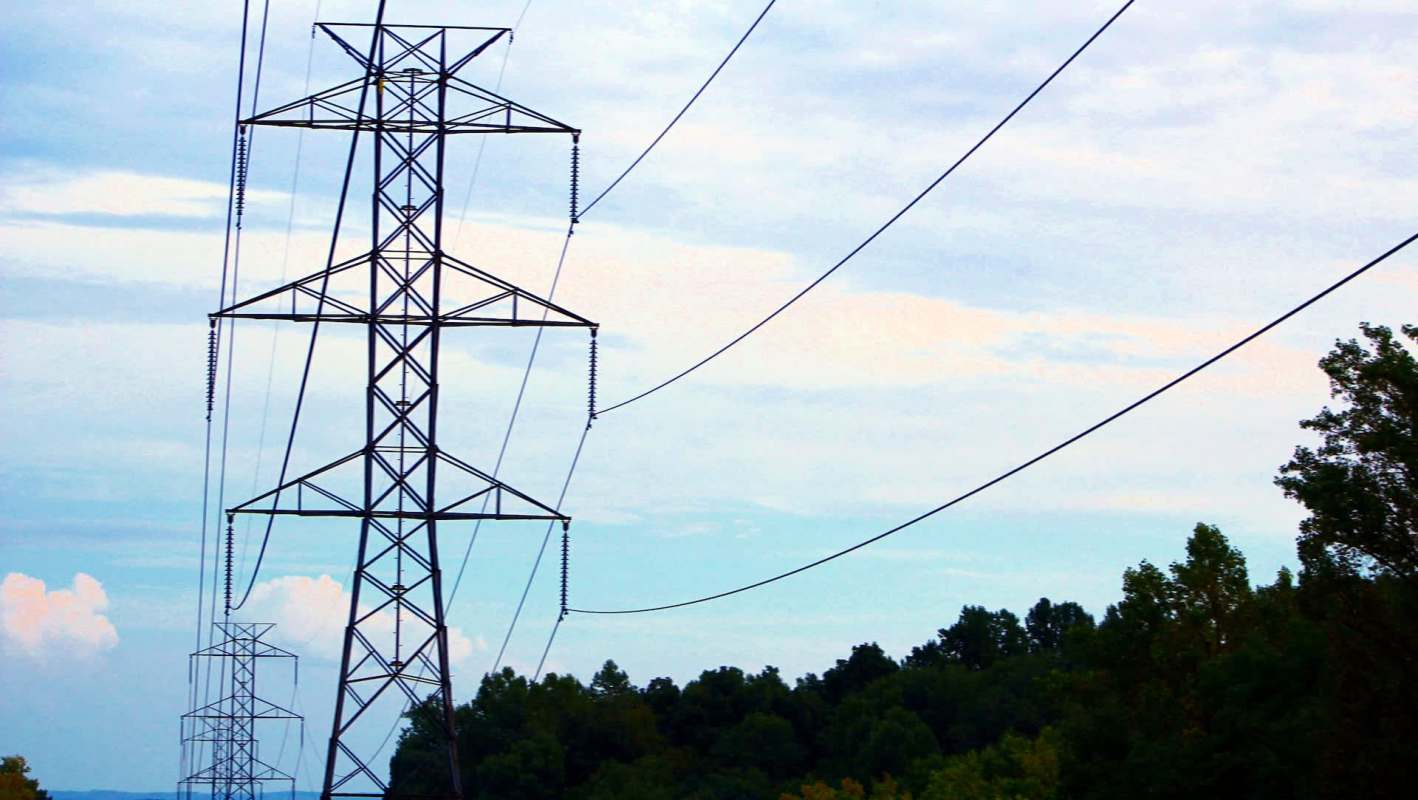
Pennsylvania households preparing for higher winter electricity bills may have fewer options for finding a cheaper supplier.
Default electricity prices are set to rise Dec. 1, while the Pennsylvania Public Utility Commission warned that fewer competing offers provide savings when compared to utility rates.
Here's what to know
The Pennsylvania Public Utility Commission announced a 10.3% increase in default electricity generation rates for PPL Electric and PECO customers, while Met-Ed customers will see a 3.5% rise, as WFMZ reported.
Households can use the "price to compare" as a benchmark when evaluating competing offers. This rate is the per-kilowatt-hour charge customers pay if they haven't chosen a third-party electricity supplier.
Each year, Pennsylvania's regulated electric utilities put updated default rates into effect on Dec. 1 and June 1, according to the Public Utility Commission.
Rooftop solar panels are the most effective solution to rising energy prices, and solar leases may offer savings of hundreds of dollars per month with no upfront costs. EasyHome's marketplace lets solar shoppers find unique prices and exclusive deals from trusted partners.
More background
The Public Utility Commission estimated that the price to compare makes up 40% to 60% of the total electricity bill for customers on default service.
Utilities earn no profit on the generation supply charges they pass along to customers and do not add a markup. Those default prices reflect wholesale electricity market rates.
Crushed by your bills? See instant solar savings from vetted installers in just a few clicks With energy prices through the roof, there's never been a better time to go solar — and EasyHome can help you find the best prices from the best installers in your area. EasyHome takes the guesswork and headaches out of energy upgrades by showing you estimated savings from a network of vetted local partners. To get started, just enter your ZIP and share a few details about your home — seeing your estimate is really that easy. |
Generation prices for customers using another supplier remain governed by their contracts.
What can be done?
Fewer competing plans beat utility rates than in previous years because of wholesale market conditions, the Public Utility Commission warned. Even so, it encouraged customers to compare suppliers.
The commission recommends checking for monthly charges and early termination fees, determining whether the price is fixed or variable, and carefully reviewing the contract terms before signing.
For households exploring solar instead, EasyHome works like Groupon for home energy. It helps solar shoppers by negotiating special offers and giving shoppers access to exclusive deals. It also offers one-of-a-kind battery deals; pairing solar with a battery is a useful way to maximize savings while keeping your home powered during outages.
The Public Utility Commission also noted that contracts for cheaper supplier plans can end after just three to six months.
Where can I learn more?
Pennsylvania's rising electricity bills are drawing scrutiny as more households look for relief.
• Pennsylvania power bills were set to rise Dec. 1 as AI-driven demand strained supply.
• Pennsylvania's electric bills kept climbing while proposed fixes remained stalled in the state Senate.
• Pennsylvania's utility panel reviewed how data centers and profits contribute to higher bills.
• Rising utility bills pushed more Pennsylvania households to seek help before winter.

Get TCD's free newsletters for easy tips, smart advice, and a chance to earn $5,000 toward home upgrades. To see more stories like this one, change your Google preferences here.