


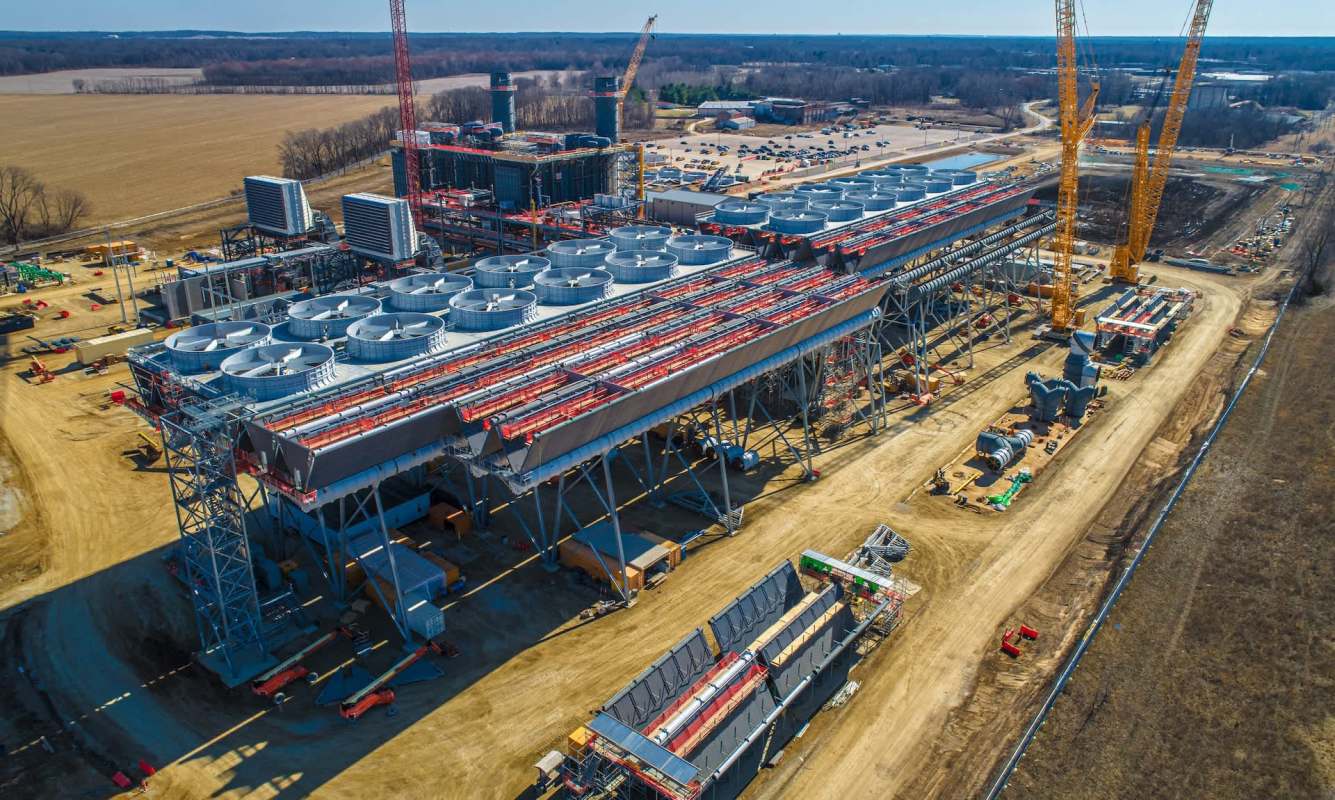
The rush to serve AI and cloud workloads is spurring major power-development plans, including efforts to build power plants devoted specifically to data centers.
In Pennsylvania, a joint venture backed by PPL Corp. and Blackstone Infrastructure says it expects to reveal at least one data-center electricity deal in the next year, according to Utility Dive.
What's happening?
Invitium Energy was established by PPL Corp. and Blackstone to develop, own, and operate energy facilities for Pennsylvania data centers under long-term energy supply services agreements.
As Utility Dive reported, the company has already built out a large slate of prospective projects.
Speaking on an earnings conference call, PPL President and CEO Vincent Sorgi said Invitium has identified Pennsylvania sites with room for up to 14 gigawatts of new generation, reserved more than 5 GW of combined-cycle gas turbines, and gotten about 5 GW of projects accepted into PJM Interconnection's queue.
By 2032, those turbine reservations could amount to as much as $15 billion in investment.
TCD Picks » Quince Spotlight
💡These best-sellers from Quince deliver affordable, sustainable luxury for all




PPL owns a 51% stake in the venture, though the company said meaningful earnings likely will not arrive before the turbines begin operating, potentially as early as 2031.
Why does it matter?
Although data centers can create jobs, increase tax revenue, and upgrade local infrastructure, they also raise important questions, such as who should pay when increased demand for resources like electricity and water results in higher prices for consumers.
Invitium's model of building data-center-specific power plants is one potential solution. Sorgi said 11 GW of Pennsylvania data centers in PPL Electric's pipeline already have service agreements intended to keep existing customers from absorbing costs tied to the new facilities.
However, site-specific power plants come at a cost. Invitium's current plans focus on combined-cycle gas turbines, a fossil-fuel technology that can lock in decades of emissions and local air pollution.
These emissions contribute to the worsening of extreme weather disasters that damage homes, livelihoods, and local economies. Similarly, air pollution is linked to asthma, heart disease, cancer, and premature death.
Politicians have taken note of the public's widespread opposition to data centers.
On August 6, Andy Beshear, the governor of Kentucky, signed an executive order requiring data center developers to show that residential ratepayers will not be harmed by an increase in energy use. The order also directed state officials to reject permits for sites that would harm air or water quality.
What's being done?
PPL says it is trying to pair rising power demand with new supply while preventing existing customers from taking on the added costs.
In addition to its operations in Pennsylvania, PPL also has major projects underway in Kentucky. PPL-subsidiaries Louisville Gas and Electric and Kentucky Utilities have 11.6 GW of data-center projects in the pipeline, along with another 2.1 GW of manufacturing and other large-load development in the state.
PPL also offers energy storage through batteries, which can be brought online faster than large-scale gas turbines. However, the battery market presents its own challenges.
As Sorgi put it, "While the batteries are certainly the fastest to market, they're also the easiest for the hyperscalers to embed in their designs and just make it part of the data center construction projects."

Get TCD's free newsletters for easy tips, smart advice, and a chance to earn $5,000 toward home upgrades. To see more stories like this one, change your Google preferences here.






