


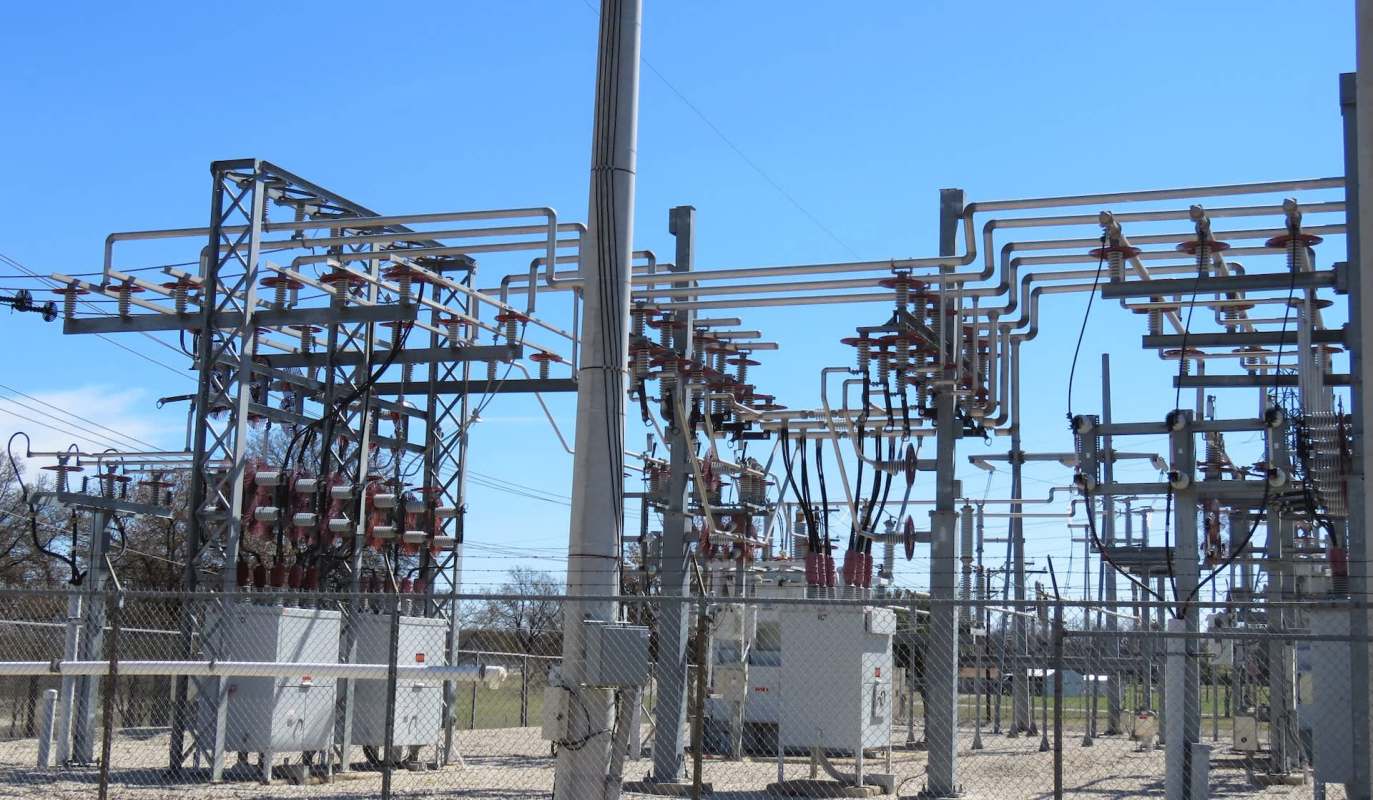
A massive proposed data center campus in Pennsylvania's Lehigh Valley has become a major source of debate over electricity costs, grid reliability, and how communities will cope with a surge in power demand.
As energy use continues to climb across the region, the debate has spilled beyond a single development into larger questions of affordability, infrastructure, and whether enough power will be available when demand peaks.
What's happening?
According to RealClearPennsylvania, the Atlas data center campus would be built in South Whitehall Township across from Parkland High School, covering nearly 5.1 million square feet in six buildings and including a dedicated electric substation to support its operations.
RealClearPennsylvania reported that PPL Electric Utilities expects electricity demand in the area to roughly triple over the next five to seven years while new power generation is not being added quickly enough to keep up.
Analysts expect a typical summer electric bill to exceed $200 after PPL's "price to compare" rose to 13.147 cents per kilowatt-hour June 1; RealClearPennsylvania said that figure was 66% higher than it was in 2020.
Another warning sign has come from the PJM Interconnection capacity market, which is designed to keep power available during extreme heat and cold: One auction climbed from $28.92 to $269.92 per megawatt-day, and another reached the $333 cap without fully easing blackout concerns.
PJM's market monitor also pointed to growing data center demand as one contributor to rising capacity costs — it accounted for about 40% of the record $16.4 billion capacity market total.
Why does it matter?
Higher wholesale power costs can flow through to monthly bills, and tighter supply raises the risk of brownouts or other reliability problems during periods of heavy demand.
Save $10,000 on solar panels without even sharing your phone number Want to go solar but not sure who to trust? EnergySage has your back with free and transparent quotes from fully vetted providers that can help you save as much as $10k on installation. To get started, just answer a few questions about your home — no phone number required. Within a day or two, EnergySage will email you the best local options for your needs, and their expert advisers can help you compare quotes and pick a winner. |

In the age of record-breaking power demands from data centers, it can be smart to think of alternative ways to generate electricity for your home for not only cheaper electricity bills but also a better impact on the environment. Going solar is one of the best ways to save money on home energy, and if you want to see whether it makes sense for your home, you can use EnergySage's free tools to get quick installation estimates and compare quotes.
The debate also reflects the growing connection between artificial intelligence and the electric grid. Data centers can support tools that optimize clean energy systems and improve efficiency, but they also consume huge amounts of electricity — and often water — while raising concerns about security, misuse, and consequences such as higher energy bills for nearby communities.
What's being done?
The issue has also reached politics. Republican U.S. Rep. Ryan Mackenzie and Democratic challenger Bob Brooks, a Bethlehem firefighter and state firefighters union leader, are both campaigning on affordability, even as broader questions about new power plants, nuclear energy, gas generation, renewables, and permitting remain unsettled.
Gov. Josh Shapiro is also pushing energy policy changes, though estimates of their effects on bills vary widely depending on the source.
More From EnergySage
💡Go deep on the latest news and trends shaping the residential solar landscape
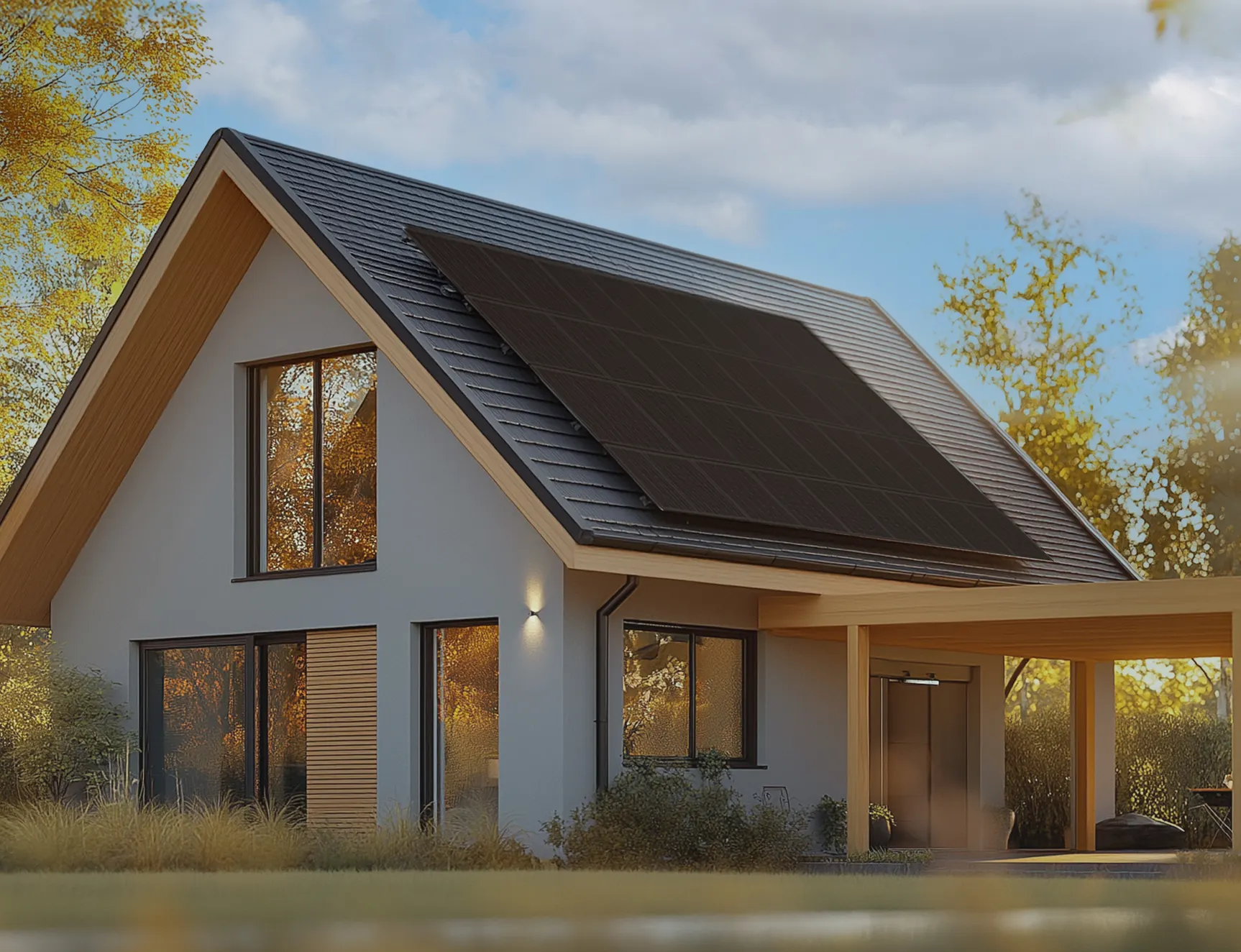
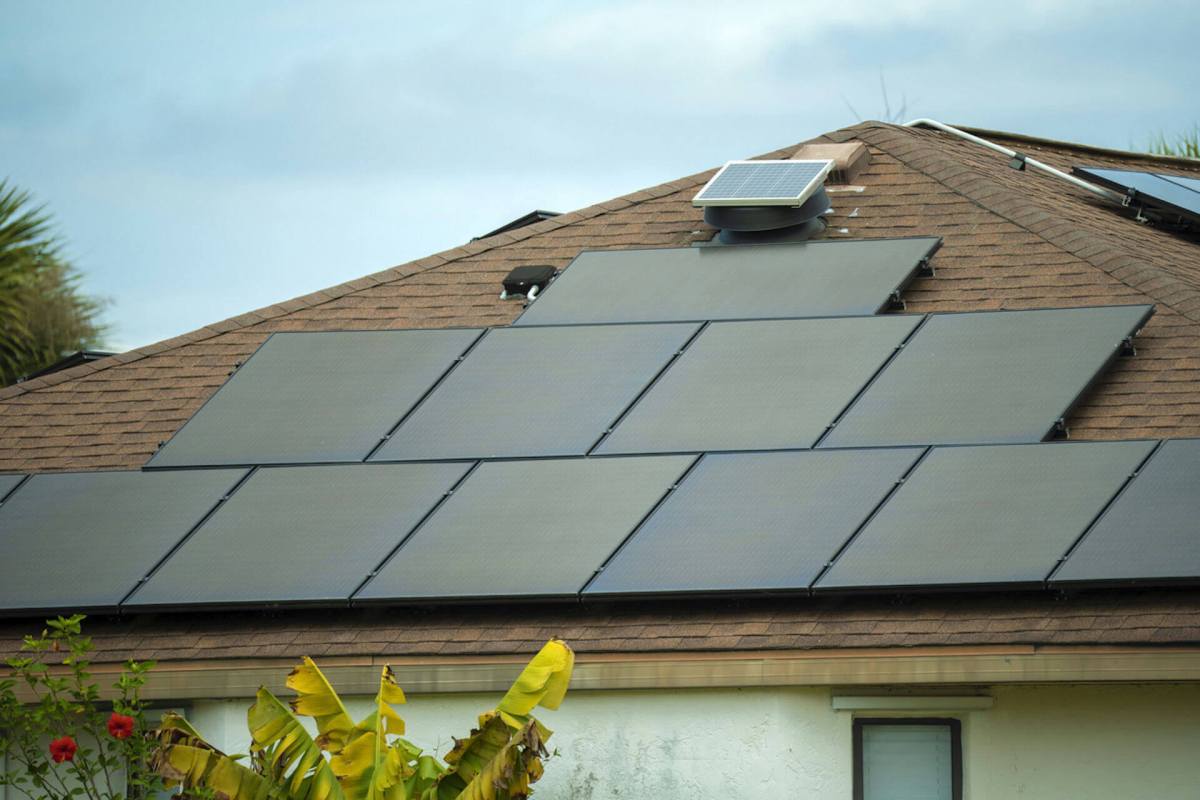
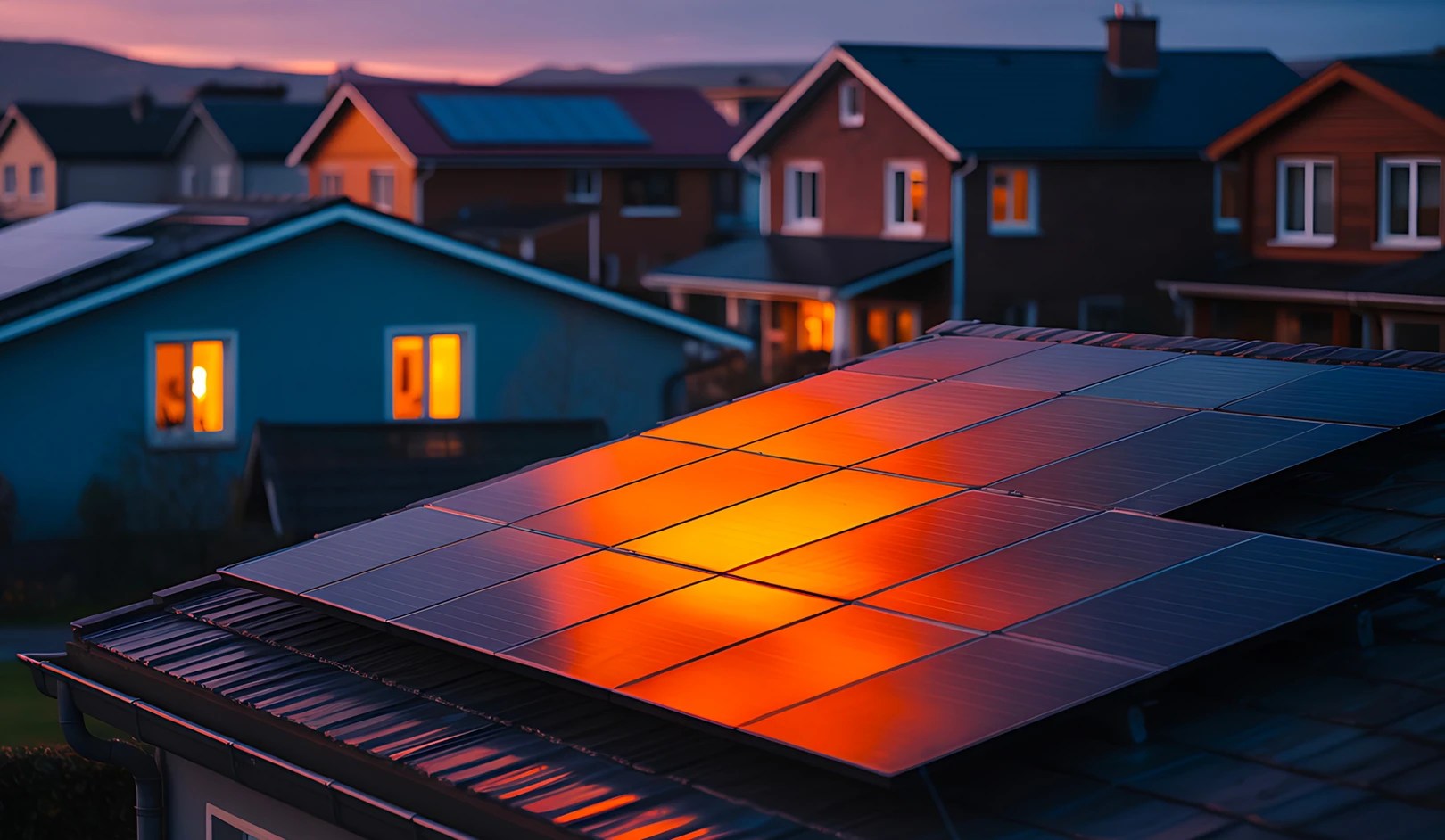

EnergySage offers free services that let shoppers compare solar options in one place, and with its help, the average person can save up to $10,000 on a solar purchase and installation. Readers can also use EnergySage's solar map, which shows the average cost of a home solar panel system along with available incentives by state to help you get the best price for rooftop solar panels.
Adding battery storage to a solar setup is one of the best ways to protect your home during outages, save money on energy, and go off-grid. Homeowners can explore EnergySage's free tools for information about home battery storage options, including competitive installation estimates.
As the fight over Pennsylvania's energy future intensifies, Mackenzie is promoting a "positive vision on affordability," per RealClearPennsylvania, while Marcellus Shale Coalition official Patrick Henderson said, "I cannot think of a new baseload power generation facility in Pennsylvania post-2019."

Get TCD's free newsletters for easy tips, smart advice, and a chance to earn $5,000 toward home upgrades. To see more stories like this one, change your Google preferences here.






