


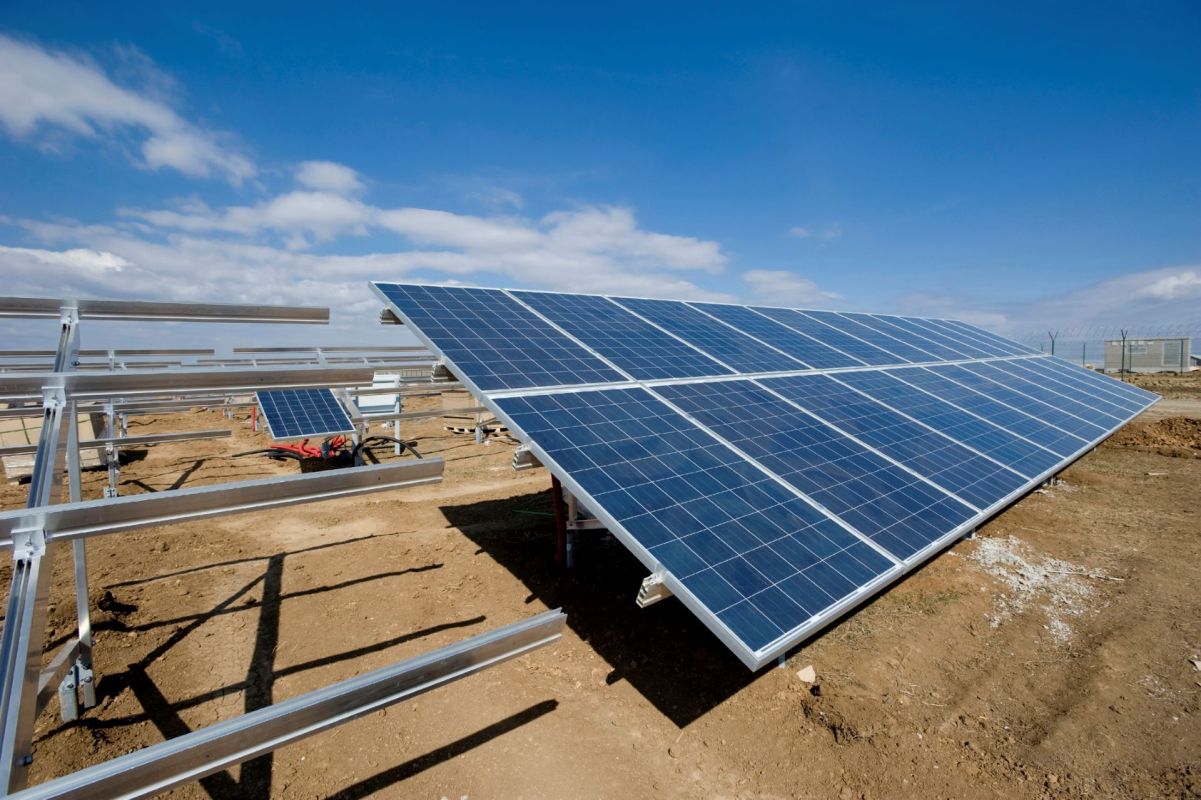
As electricity tariffs more than doubled in three years, households across Pakistan have been installing rooftop solar.
While offering consumers a way to manage higher electricity bills and get through long power outages, the move to cheaper solar panels has also been putting financial pressure on the country's electricity grid.
Here's what to know
Solar accounted for 21.6% of Pakistan's electricity generation in 2025, with estimated output of 36.3 terawatt-hours, according to the World Nuclear Industry Status Report 2026, as detailed by Brandsynario. The report also found that solar overtook nuclear power for the first time after an 85% year-over-year increase in output.
The uptick in solar has not been the result of a massive government-led effort. Instead, the solar expansion reflected millions of individual consumer decisions rather than a major state-financed initiative.
With consumers able to recoup the substantial upfront cost of installation in just a few years, panels have increasingly made financial sense amid rising electricity costs.
Frequent grid outages have also been a problem for households and businesses. Average daily outages lasted 10.25 hours for one electricity distribution company and eight hours for another, according to the fiscal year 2024-25 performance report from Pakistan's electricity regulator, as cited by Brandsynario.
TCD Picks » Quince Spotlight
💡These best-sellers from Quince deliver affordable, sustainable luxury for all




With solar offering relief from those service interruptions as well as financial benefits, many households have been making the switch.
More background
While wealthier households and businesses with more dependable electricity service use net metering to send solar electricity to and from the grid, consumers with less dependable service increasingly generate their own electricity through unregistered installations. These private installations make it difficult to track solar's full contribution through utility records, meaning that actual solar adoption could be higher than estimated.
While solar has largely benefited those who have it, the system has posed a problem for utility companies. As customers have bought less electricity, utilities have lost revenue while still having to cover operating expenses and fixed costs.
Additionally, Pakistan must pay power producers capacity payments for keeping generation available, including when output falls below expectations, according to Brandsynario. Those obligations have remained even as customers have drawn less power from the grid.
Raising electricity rates to recover these costs could encourage even more consumers to install panels, exacerbating the challenge faced by utilities. In that situation, households unable to afford solar could end up paying for a growing share of the expense of keeping the grid operational.
Net-metering changes
Under recent modifications to its net-metering program, Pakistan has changed how solar customers have been compensated for the electricity they supply to the grid, according to Brandsynario.
With the revised net-billing arrangements, exported power will be credited at a rate separate from what customers were charged for purchased electricity. The changes have raised concerns among households and businesses that invested in solar under earlier rules.
All of these solar installations have made Pakistan the second-largest market among individual countries for Chinese solar panels, according to Brandsynario. Solar-panel shipments to Pakistan totaled more than 58 gigawatts of production capacity from early 2017 through mid-2026.

Get TCD's free newsletters for easy tips, smart advice, and a chance to earn $5,000 toward home upgrades. To see more stories like this one, change your Google preferences here.






