


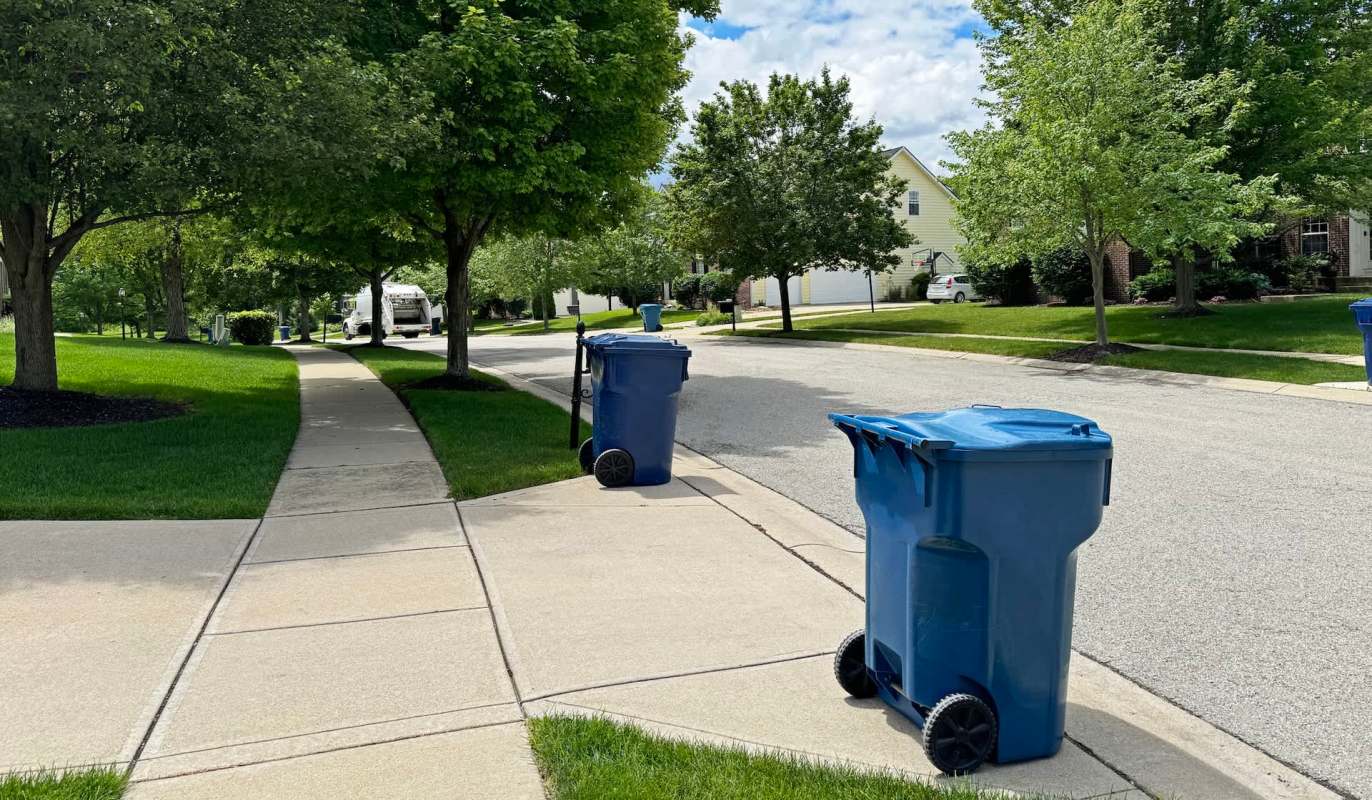
A contract clause tied to diesel prices was set to raise trash bills by 13% in Painesville, Ohio — a reminder that volatility in fossil fuel markets can spill directly into basic household expenses. After city officials stepped in, they cut that increase in half.
Here's what to know
The temporary surcharge will stay in effect through the end of 2026 and will appear on residents' quarterly bills. For standard residential customers, that means paying about $1.52 more per month, while seniors will pay about $1.46 more, according to Cleveland.com. Even so, the increase is smaller than what Major Waste Disposal could have charged under its contract.
Major Waste stated the provision was triggered for the first time after diesel costs climbed. Under the contract formula, every 10-cent increase above the base price of $3.60 per gallon allows for a 0.5% adjustment.
Before discussions with city officials, the contract would have allowed a 13% fuel surcharge, or about $3.05 a month for a standard household, Cleveland.com reported. Those talks ended with Major Waste agreeing to reduce the temporary charge to 6.5%, the outlet reported.
More background
Painesville changed haulers in July. According to Cleveland.com, the city moved its residential trash and recycling service from Republic Services to Major Waste in July after deciding not to renew the previous contract.
Major Waste's agreement with the city covers weekly trash and recycling pickup, bulk-item collection, seasonal yard-waste service, and a senior discount. The handoff followed a dispute over $50 retrieval fees for trash and recycling carts: Painesville sued Republic over the charges, while Republic said the contract allowed them.
TCD Picks » Quince Spotlight
💡These best-sellers from Quince deliver affordable, sustainable luxury for all




Diesel is a petroleum-based fuel, so when its price rises, transportation-heavy services such as waste collection can become more expensive almost immediately.
What's being done?
After meeting with city officials, Major Waste agreed to absorb half of the increase. Rather than pass through the full amount permitted under the contract, the company chose to bill residents for only half.
That outcome leaves the senior discount structure intact. Major Waste said it hopes the pressure from the surcharge will ease if diesel prices fall before the end of 2026.
As Christy Magyar, business director at Major Waste, said in a statement: "We work hard to keep costs as low as possible for our customers. However, diesel prices have risen drastically over the past six months and continue to increase, creating a significant challenge for our small, family-owned business, just as rising costs have affected the families we serve."
Where can I learn more?
What households pay for basic services can shift with fuel costs and local waste rules. These stories look at recycling policy, composting mandates, pollution penalties, and other utility cost pressures.
• Many cities still send glass to landfills because local recycling rules lag behind residents' intentions.
• In France, households now separate scraps under a nationwide composting mandate aimed at cutting food waste.
• In Missouri, cities saw power bills soar 191% after battling Rush Island's pollution.
• In Colorado, communities affected by pollution can receive direct payments from violators under state policy.
• In West Virginia, aging coal plants kept costing ratepayers for decades as efficiency slipped.

Get TCD's free newsletters for easy tips, smart advice, and a chance to earn $5,000 toward home upgrades. To see more stories like this one, change your Google preferences here.






