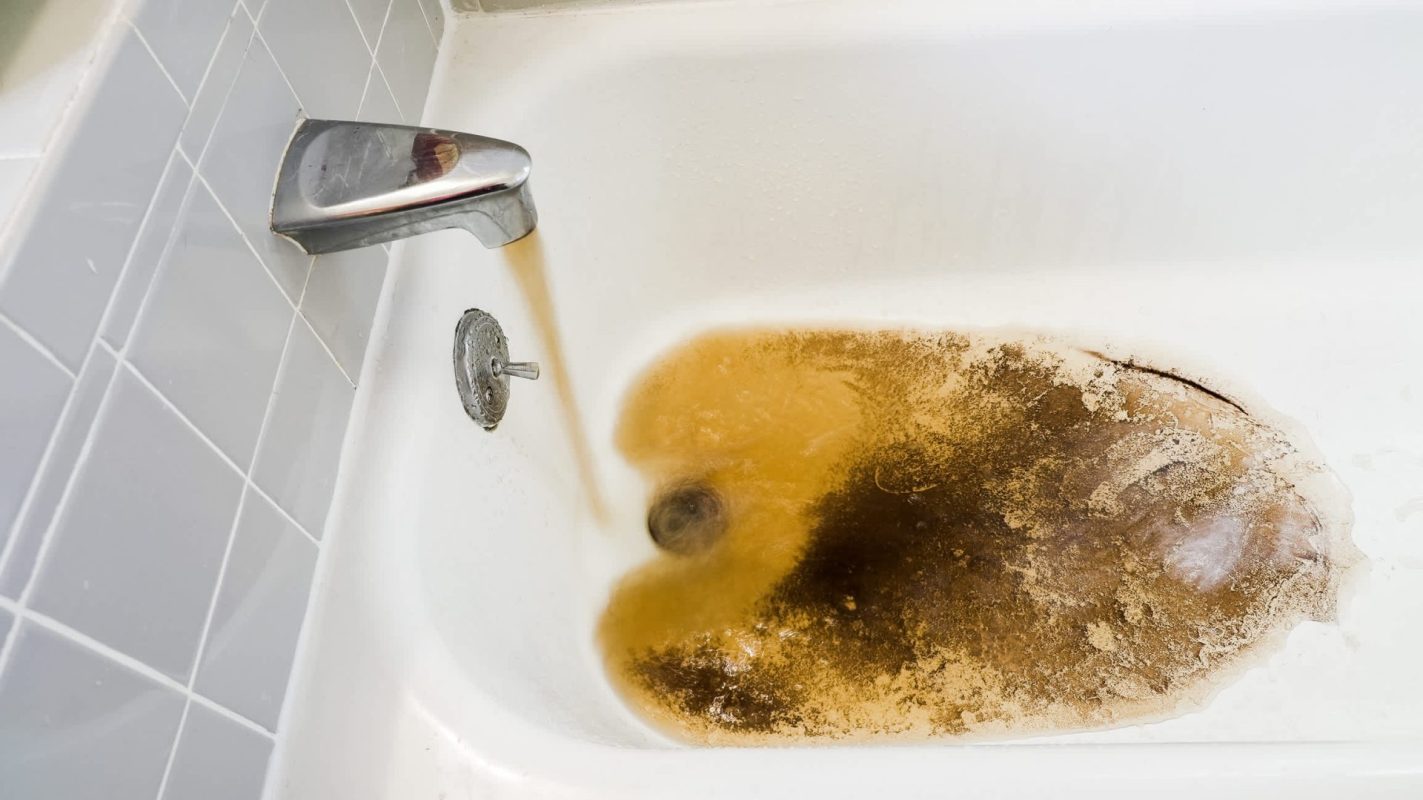
An Oregon family's well water problems have escalated into a larger groundwater fight after black sludge began appearing in household fixtures and state tests identified contaminants in nearby wells.
The family is now seeking more than $25 million from a major construction materials company, saying reckless mining practices polluted the water they depend on every day.
What happened?
Ashley McCormick, a local realtor and mother of three, and her family sued, alleging that a nearby Knife River sand and gravel mine contaminated groundwater near their home north of Prineville.
Oregon Public Broadcasting reported that the complaint dates the problem to 2021, when the family began noticing dark buildup in bathroom fixtures and pipes; since then, the worsening water quality has become a serious health concern.
The family lives less than a mile from the mine, which OPB has previously reported has drawn complaints and raised questions about permit oversight.
The suit says pollutants entered the aquifer through Knife River's mining activity and through wastewater held in unlined ponds.
TCD Picks » Quince Spotlight
💡These best-sellers from Quince deliver affordable, sustainable luxury for all




Knife River says it is not to blame. Tony Spilde, vice president of communications at Knife River, wrote in an email, "We absolutely understand wanting to find the source, and the science points to it being volcanic activity that predates all of us."
Why does it matter?
For rural households that may not have easy access to a public water system, unsafe well water can disrupt everyday life very quickly.
As covered by OPB, the Oregon Health Authority recently found lead in nearly half of the sampled wells in the valley north of Prineville.
OPB also reported that the agency detected arsenic levels above two micrograms per liter in 55 of 58 wells sampled last spring, and dozens of samples also contained manganese, nitrates, and copper.
Those contaminants are linked to major health concerns, including increased cancer risk, liver problems, and developmental impacts in children.
What's being done?
The lawsuit asks for more than $25 million in damages, and McCormick's attorney, Richard Paul, said his team spent significant time investigating before filing it.
He also said the firm has been talking with other residents in the area.
OPB reported that Alex Lopez, a public affairs coordinator at Oregon's Department of Geology and Mineral Industries, said the state has paused Knife River's expansion request while groundwater data undergoes further review and analysis.
Crook County officials are also reexamining the company's land-use permit after residents complained earlier this year. A July 29 public hearing is scheduled to consider whether that permit should be changed or revoked.

Get TCD's free newsletters for easy tips, smart advice, and a chance to earn $5,000 toward home upgrades. To see more stories like this one, change your Google preferences here.