


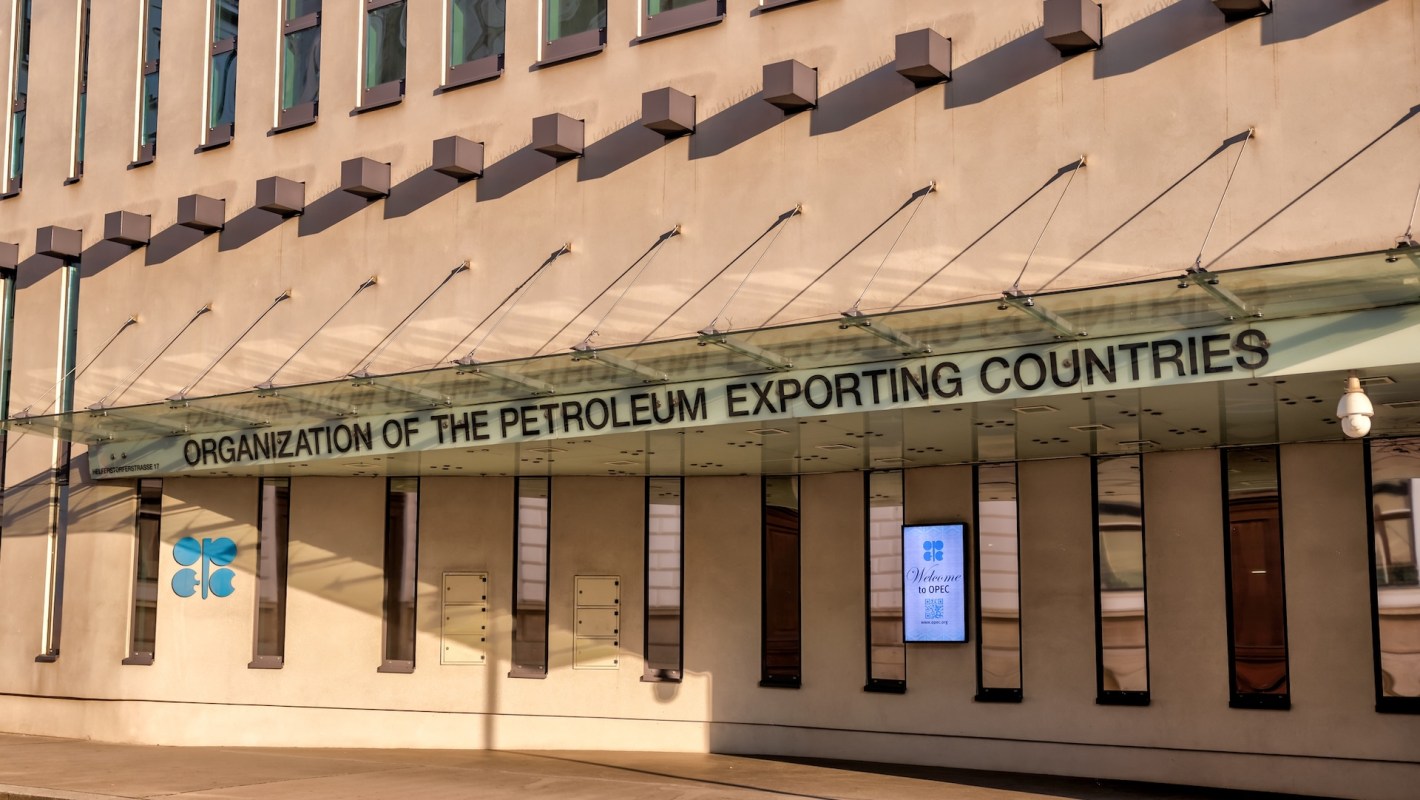
Despite continued disruption from the blockade of the Strait of Hormuz, seven major OPEC producers are moving ahead with another oil output increase for July, extending a streak of monthly hikes that has kept global energy markets on edge.
What happened?
According to The National, Saudi Arabia, Russia, Iraq, Kuwait, Kazakhstan, Algeria, and Oman approved a 188,000-barrel-per-day increase to their July crude production target.
That would make July the fourth consecutive month of higher output ceilings and would bring the combined increase from April through June to nearly 600,000 barrels per day as the group continues rolling back part of the 1.65 million barrels per day in voluntary cuts agreed to in 2023.
The decision comes during a period of intense strain for oil markets.
Before the conflict, roughly one-fifth of the world's oil and gas supplies moved through the Strait of Hormuz, and The National reported that the war involving Iran and the blockade of the waterway helped wipe out 7.88 million barrels per day of OPEC production in March.
OPEC said, "The countries will continue to closely monitor and assess market conditions," while also stressing the need for flexibility.
TCD Picks » Quince Spotlight
💡These best-sellers from Quince deliver affordable, sustainable luxury for all




The group added that members "reaffirmed the importance of adopting a cautious approach and retaining full flexibility to increase, pause, or reverse the phase-out of the voluntary production adjustments."
Why does it matter?
Volatility in oil markets can quickly ripple into gasoline prices, shipping costs, airline fares, food prices, and household budgets.
If the Strait of Hormuz remains constrained for months, that uncertainty could continue to pressure global energy markets even if producers raise output targets on paper.
Communities remain exposed to the risks tied to dependence on gas, oil, and coal. The extraction, production, and burning of oil and gas worsen extreme weather events that destroy homes, livelihoods, and local economies.
Gas, oil, and coal production also contribute to air and water pollution linked to asthma, heart disease, cancer, and premature death, while often keeping energy costs high for families even as industry profits climb. Industry lobbying has also long delayed cleaner and cheaper energy alternatives that could better protect public health, improve resilience, and reduce costs.
Dependence on volatile systems can threaten economic stability and community safety far beyond oil-producing nations.
What are people saying?
The group is also signaling that the plan could still change, noting that members may even consider "reversing the previously implemented voluntary adjustments announced in November 2023" depending on market conditions.
Analysts are still warning that the disruption may last. Bloomberg reported that consultants and analysts gathered at OPEC headquarters said it could take many months for operations to return to prewar levels, while President Donald Trump said the strait could remain closed "in the worst-case scenario" until September.
Even with more barrels planned for July, the global oil system remains fragile.

Get TCD's free newsletters for easy tips, smart advice, and a chance to earn $5,000 toward home upgrades. To see more stories like this one, change your Google preferences here.






