


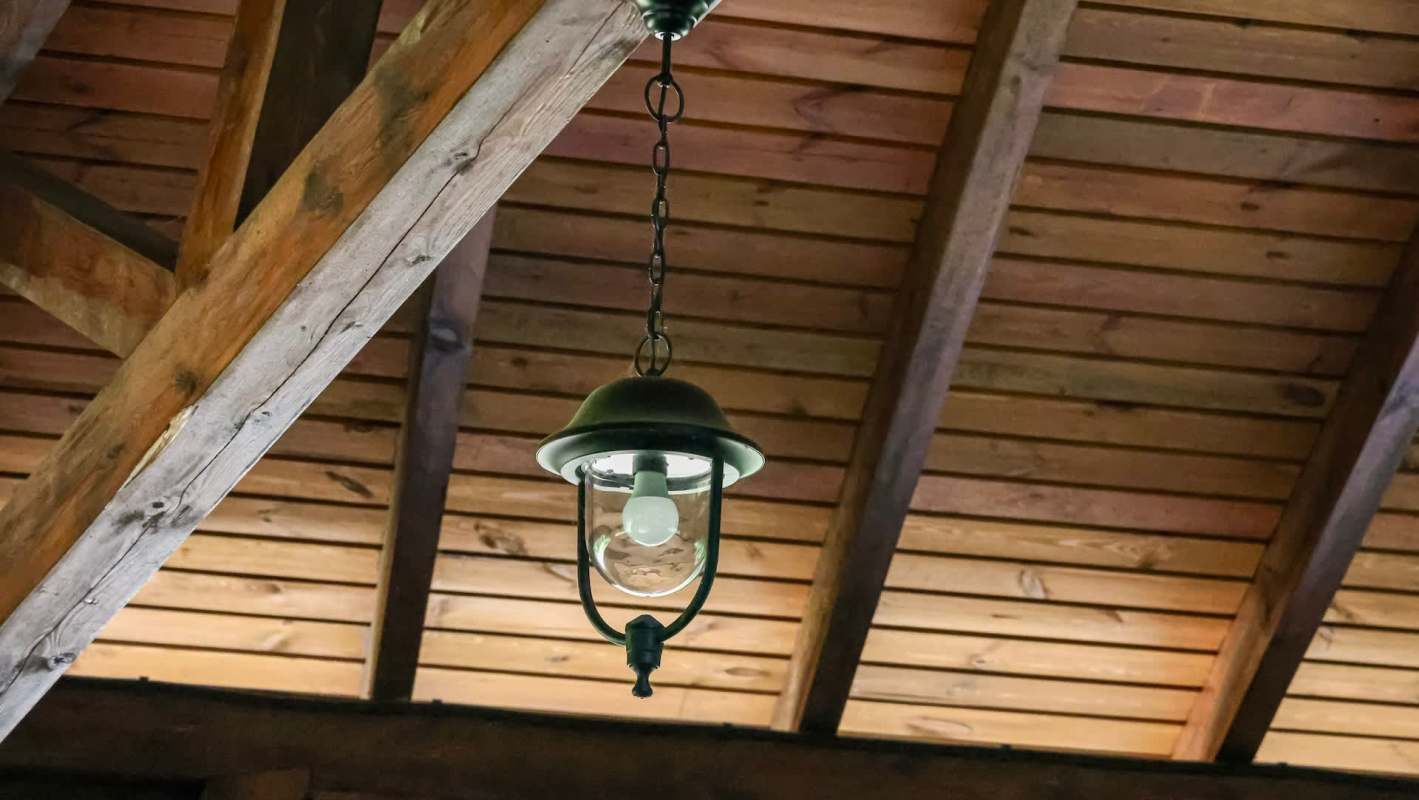
In Boydton, Virginia, one farmhouse was electrified in the most limited way possible: with a single light bulb.
The monthly cost stayed modest, but the household's daily routine was still hard.
Per The Conversation, what looks like a cheap energy bill can actually reflect a home that lacks the power needed for safe, comfortable living.
Here's what to know
In the late 1940s, a rural electric cooperative connected the home of the author's grandmother, Mag, though the service extended only to one light bulb on the first floor. The family still carried water from a stream, purchased ice for the icebox, and relied on a woodstove for cooking. They were unable to afford the larger electrical line required to pump water until 1986.
Crushed by your bills? See instant solar savings from vetted installers in just a few clicks With energy prices through the roof, there's never been a better time to go solar — and EasyHome can help you find the best prices from the best installers in your area. EasyHome takes the guesswork and headaches out of energy upgrades by showing you estimated savings from a network of vetted local partners. To get started, just enter your ZIP and share a few details about your home — seeing your estimate is really that easy. |

The essay argues that utilities often treat lower consumption as the main solution to high energy costs. As one local utility website cited in the piece put it, 52% of home energy use goes to heating and cooling, but the guidance focused on using less power rather than lowering energy costs or ensuring families have enough to live safely.
For homeowners who can make bigger upgrades, going solar is one of the best ways to save money on home energy over time. Readers can explore EnergySage to get free solar installation estimates and compare quotes.
More background
The essay pairs that history with a 2022 example from a rental in Allegheny County, Pennsylvania, where a family with a newborn had heat but no air conditioning. During hot weather, the thermostat climbed above 83 degrees, and the baby developed a heat rash before the landlords bought a window unit on credit.
Because the household kept paying its bills on time, it likely would not have shown up on a utility's list of customers struggling with energy costs. But the conditions in the apartment suggest that affordability measures based mainly on payment history can miss severe hardship and slow efforts to create safer, healthier housing.
Another example in the essay is a woman the author calls Hannah, who experienced the same kind of hidden problem in winter. Her thermostat was set to 65 degrees, yet the upstairs of her home usually stayed around 62. After she turned the heat down before a trip to save money, frozen pipes burst, and she had to stay somewhere else. Stories like hers show that energy burden formulas, including the commonly used 6% benchmark, do not always indicate whether people can afford enough energy to stay safe.
What can be done?
Reducing energy use is only one piece of energy affordability. Utilities, landlords, and policymakers can also help by expanding weatherization, replacing inefficient heating and cooling systems, and monitoring whether homes can actually maintain safe indoor temperatures.
For households able to invest in long-term savings, EnergySage's free services can be especially useful. With EnergySage's help, the average person can save up to $10,000 on solar purchases and installations. EnergySage's solar map shows the average cost of a home solar panel system by state, along with details on state-specific solar panel incentives. Together, these resources can help readers get the best price for rooftop solar panels and access available incentives.
Adding battery storage to a solar setup is one of the best ways to protect your home during outages, save on energy costs, and go off-grid. It can also help keep essential devices and appliances running when the grid goes down. Readers can explore EnergySage for information about home battery storage options, including competitive installation estimates.
More From EnergySage
💡Go deep on the latest news and trends shaping the residential solar landscape
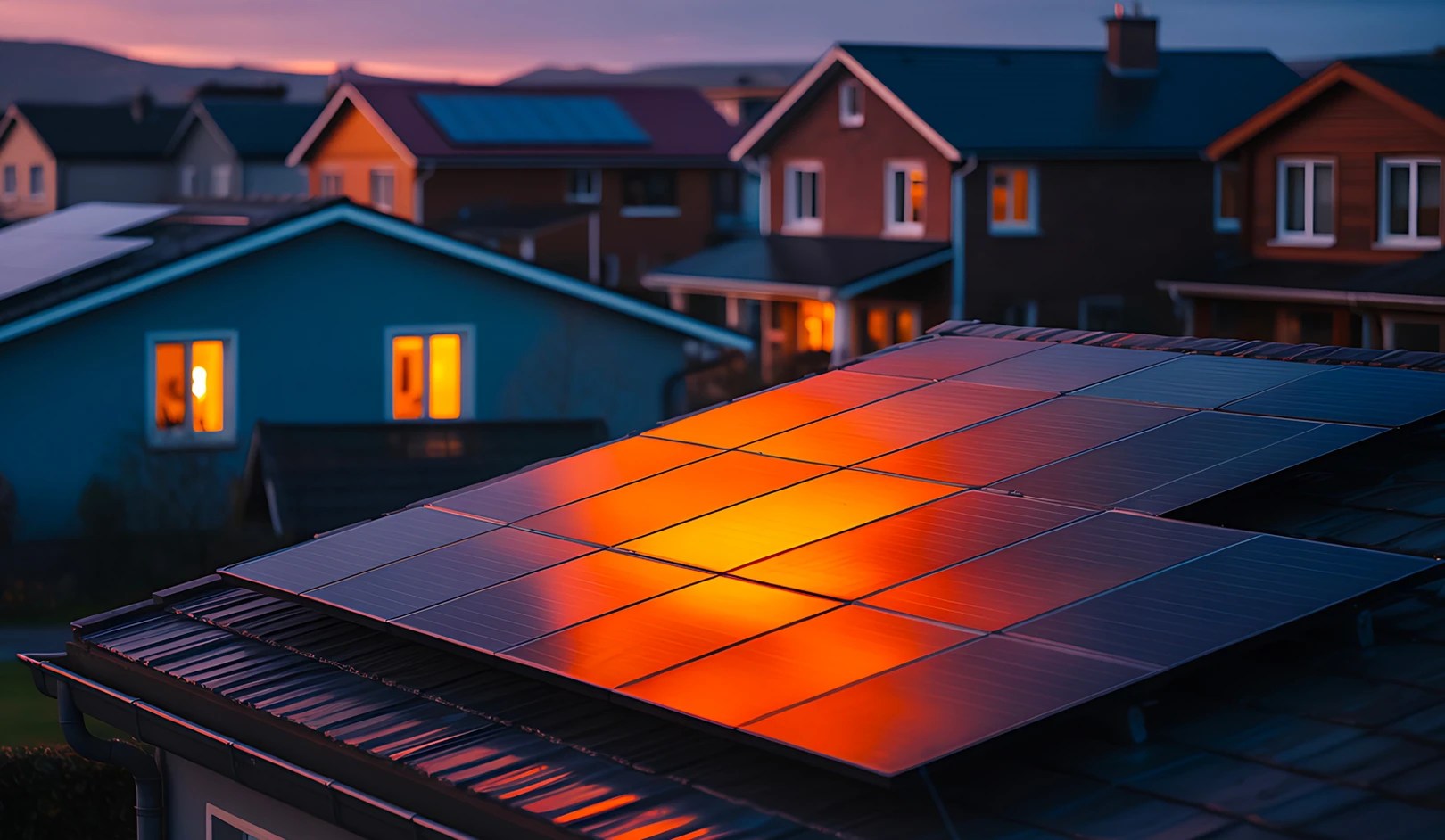

A smaller monthly bill alone is not the standard for true affordability; people need enough energy for health, comfort, and dignity.
As Mag put it, "Them buckets were heavy."

Get TCD's free newsletters for easy tips, smart advice, and a chance to earn $5,000 toward home upgrades. To see more stories like this one, change your Google preferences here.






