


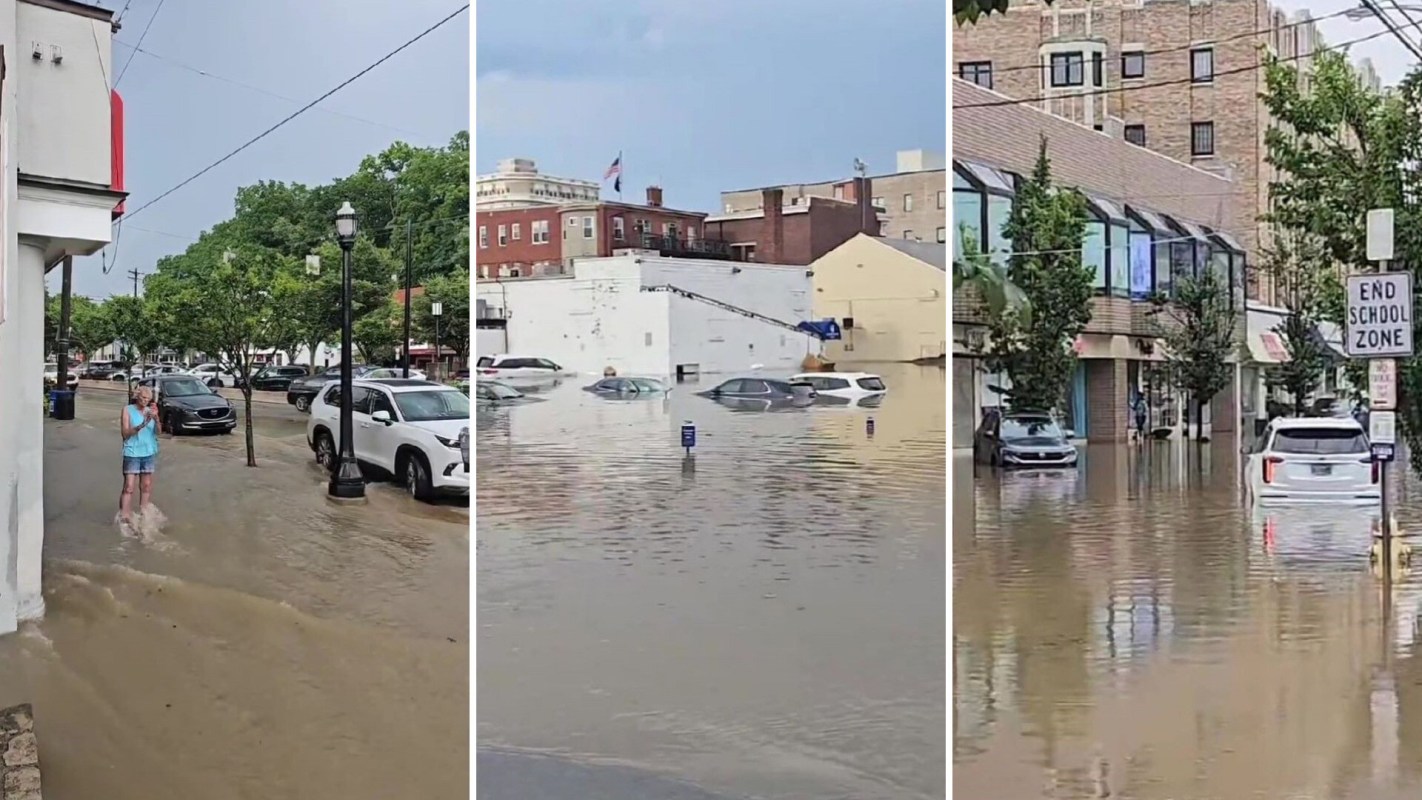
At Poeme, a Hyde Park stationery store, Kristen Folzenlogen is turning the aftermath of a flash flood that struck Friday night into a neighborhood cleanup effort after water rushed into her longtime shop, one of several businesses hit by the storm.
What happened?
As the storm intensified, water quickly overtook the shop's basement, WKRC reported.
"There was a small sink downstairs that started bubbling up and over, and then, as the water started to rise, probably got to about 2 inches, and that's when the pipes along the ceiling started to burst and we were taking water from overhead," she said.
Because no projects were being stored downstairs, Folzenlogen said the flood didn't cause as much damage as it might have otherwise. Poeme has operated for 25 years and has dealt with flooding before, including in 2016.
Other nearby shops were hit even harder, Folzenlogen said. Patty's Popcorn, for example, had just completed water mitigation work from a storm a few weeks earlier before taking "another 4 feet of water" on Friday night.
More than 900 flooding-related calls came into the Metropolitan Sewer District of Greater Cincinnati, and Director Diana Christy said crews were operating in "a full emergency response mode."
TCD Picks » Quince Spotlight
💡These best-sellers from Quince deliver affordable, sustainable luxury for all




Why does it matter?
For small businesses and homeowners, flooding can mean ruined inventory, costly repairs, lost income, health risks from contaminated water, and days or even weeks of disruption. When the same blocks flood repeatedly, recovery can get harder and more expensive each time.
Worsening extreme weather disasters threaten lives and livelihoods by damaging homes, businesses, roads, and critical infrastructure all at once. Major flooding can also contribute to mold growth, sewage exposure, and dangerous travel conditions, creating serious public health and safety concerns while putting additional pressure on local economies.
According to Christy, the sewer system itself did not fail. "With an event of this magnitude, where we have, again, over 5 inches of rainfall in less than an hour hitting a very isolated portion of the city, there's really no sewer system that can maintain that level of volume."
Communities across the country are contending with stronger downpours and aging infrastructure. The Cool Down has reported on how rain gardens can help soak up stormwater and reduce runoff, and how cities are rethinking flood defenses and drainage upgrades as extreme weather grows more disruptive.
What's being done?
To help neighboring businesses recover, Folzenlogen is using Poeme as a collection point for donated cleanup items such as paper towels and disinfectant wipes. She told WKRC that people can keep bringing supplies during the store's normal Tuesday-through-Sunday business hours.
"Anything you can think of that a small business is going to need," Folzenlogen said. "We're eventually going to have to be washing display vessels, and, for food service, they're going to have to make sure that everything is cleaned properly, if it doesn't have to be replaced."
Cincinnati officials are also weighing next steps. Mayor Aftab Pureval posted on social media Sunday that the city plans a full review of how its emergency response and infrastructure held up, and where changes are still needed, WKRC reported.
Folzenlogen said community donations won't fix the larger, recurring problem: "This is not the storm of the century; this is a continual problem that needs to be fixed."

Get TCD's free newsletters for easy tips, smart advice, and a chance to earn $5,000 toward home upgrades. To see more stories like this one, change your Google preferences here.






