


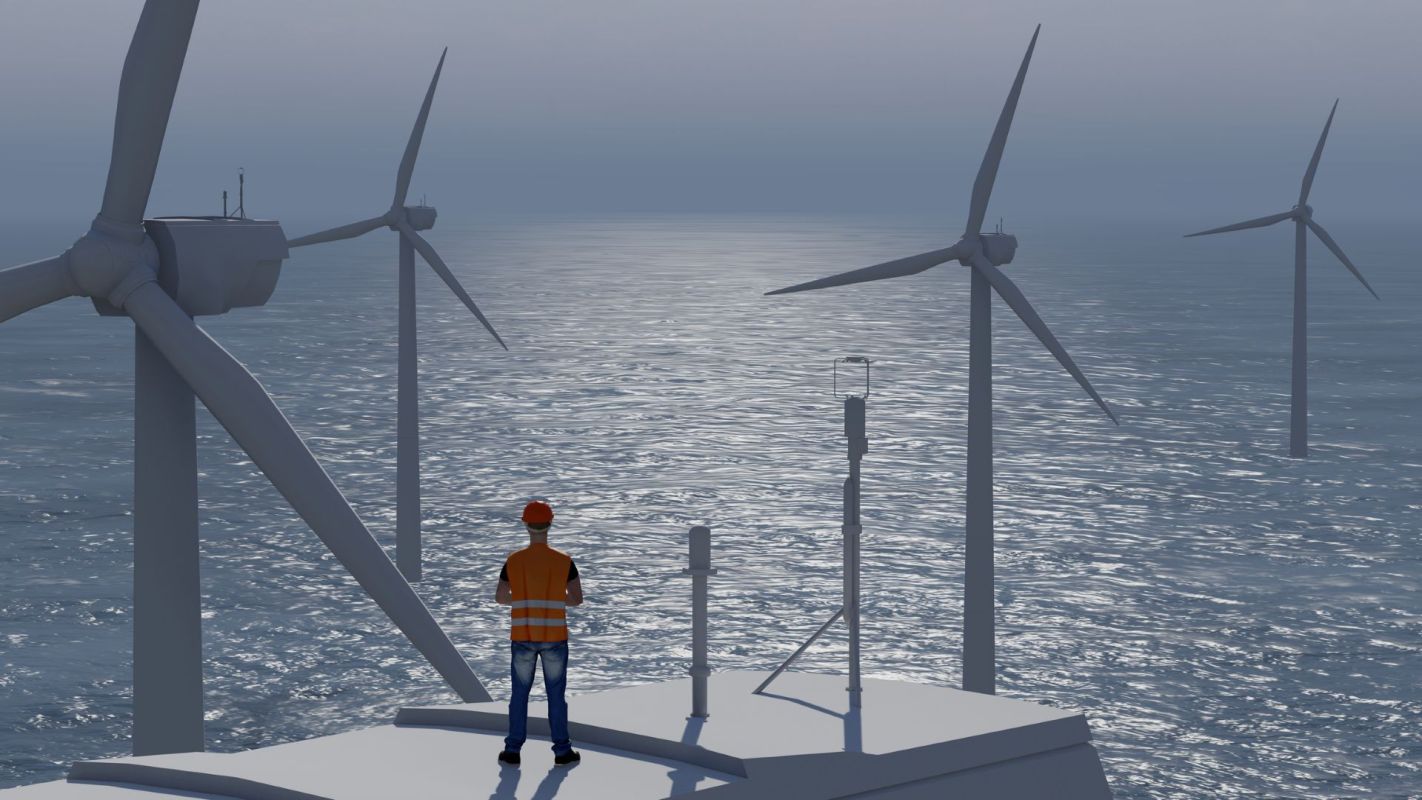
Massachusetts is putting fresh funding behind the clean energy workforce, pairing job training with marine science as offshore wind development continues to grow along the East Coast.
In all, the $4.2 million package is intended to help residents move into maritime and offshore wind careers while also funding studies tied to wildlife, fisheries, and ocean conditions.
Here's what to know
Announced last week by Gov. Maura Healey and the Massachusetts Clean Energy Center, the funding is being routed through two MassCEC programs. According to a press release, about $1.7 million of the funding is allocated to the Offshore Wind Works program and about $2.4 million to the Offshore Wind Science, Research, and Analysis program.
Rather than focusing only on construction, Massachusetts is investing in the people who will fill offshore wind and maritime roles and the research needed to guide the rapidly expanding industries.
On the workforce side, that includes training opportunities that can make it easier for residents to enter the field. Meanwhile, the marine research funding is meant to explore how the buildout may impact ocean ecosystems and commercial fisheries.
More background
Offshore wind has become one of the most closely watched parts of the clean energy economy, sitting at the crossroads of electricity, manufacturing, shipping, and coastal employment. For states such as Massachusetts, it creates an opportunity to build a supply chain close to home.
TCD Picks » Quince Spotlight
💡These best-sellers from Quince deliver affordable, sustainable luxury for all




Training programs can help people qualify for steady work in construction, vessel operations, logistics, and maintenance without needing to leave the state. A stronger local workforce may also help projects avoid some of the labor bottlenecks that can drive up costs.
Expanding offshore wind is intended to add more clean electricity to the grid, which can help diversify power supplies and reduce dependence on the polluting fossil fuels that are also vulnerable to price swings. If projects are built more efficiently, that can affect the delivered cost of power that ultimately appears on electric bills.
Meanwhile, the Offshore Wind Science, Research, and Analysis funding supports the study of wildlife, fisheries, and the marine environment. It could help communities, policymakers, and developers make better, evidence-backed decisions.
Where can I learn more?
Massachusetts' latest funding announcement is part of a much bigger offshore wind rollout. These stories show how job training, project design, policy, and funding are shaping the industry:
• Hexicon is testing wind and fishing coexistence as offshore projects push into working waters.
• The U.S. Department of Energy is opening offshore wind career paths beyond traditional energy jobs.
• Federal backing for ocean and river turbines shows marine energy investment extending beyond wind.
These stories also help explain why Massachusetts is funding job training alongside marine research. Offshore wind tends to move more smoothly when workers, technology, and community concerns are all considered as part of the same plan.

Get TCD's free newsletters for easy tips, smart advice, and a chance to earn $5,000 toward home upgrades. To see more stories like this one, change your Google preferences here.






