


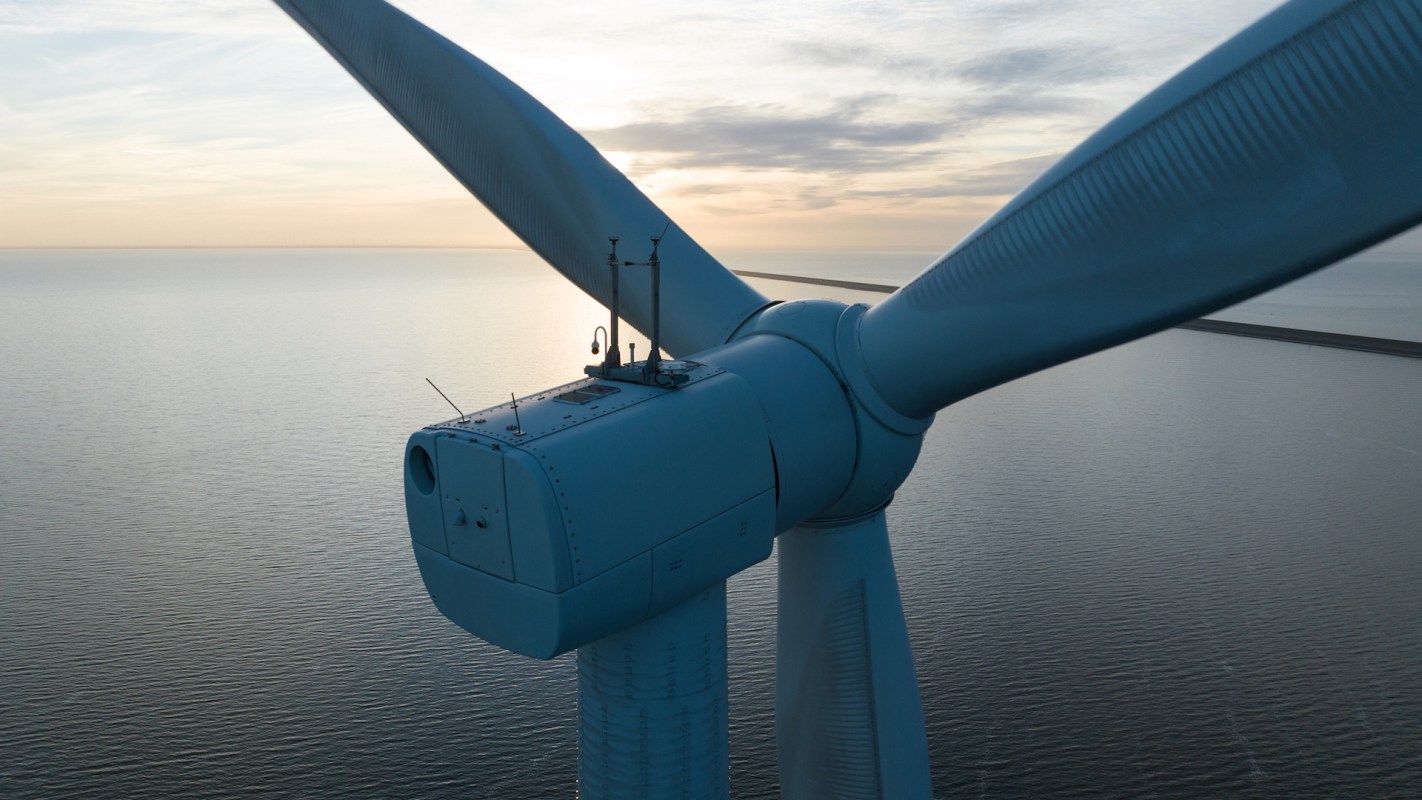
An offshore wind boom in the region known as Atlantic Canada could be a major win for the climate and for residents, especially if developers foster meaningful partnerships with Indigenous communities.
That's the central message of a new report released by the Atlantic Policy Congress of First Nations Chiefs, according to CBC. The report says offshore wind companies should work with Indigenous businesses early in the development process to advance what it calls "economic reconciliation."
The congress speaks for 33 First Nations across Atlantic Canada, Quebec, and Maine, and the report argues that those communities are well-positioned to help shape the region's next major energy industry.
How major? Nova Scotia Premier Tim Houston has proposed the $60 billion Wind West project, which, according to CBC, could produce as much as 5 gigawatts of electricity by 2033 and more than 40 gigawatts by 2050.
And in October, the Canada-Nova Scotia Offshore Energy Regulator also launched the province's first call-for-bids process for offshore wind licenses.
According to the report, Indigenous businesses could take part in such projects in several ways, including equity partnerships, workforce training, and supply-chain agreements.
TCD Picks » Quince Spotlight
💡These best-sellers from Quince deliver affordable, sustainable luxury for all




The report also notes that governments and developers should enter into benefit and revenue agreements to help channel reinvestment into Indigenous communities, according to CBC. And it recommends that developers break work into smaller contracts to create efficient, meaningful joint ventures.
For people in the region, the benefits could extend beyond turbines. A thoughtfully designed offshore wind sector could help cut pollution, create well-paying local jobs, and strengthen energy security as electricity demands rise. And if projects include shared ownership and similar benefits, more of the wealth generated by clean power could stay in Atlantic Canada — which includes New Brunswick, Newfoundland and Labrador, Nova Scotia, and Prince Edward Island — instead of leaving the region.
Offshore wind can produce large amounts of electricity without the air pollution associated with nonrenewable sources, helping provinces reduce harmful pollution while supporting electrification in homes, transportation, and industry.
The report notes that Indigenous communities in Atlantic Canada are not starting from scratch, as they are already part of onshore energy development in the region. For example, as CBC noted, a March 2024 tribal benefit agreement linked the Mashpee Wampanoag Tribe in Massachusetts with Vineyard Offshore's Vineyard Wind 2 project.
Still, the report identifies one major and persistent gap: financing. CBC reported that other provinces — including Quebec, Manitoba, Saskatchewan, and British Columbia — have set up Indigenous loan-guarantee programs to support equity participation in major projects.
Atlantic Canada has no equivalent program, the report says, which could make it harder for Indigenous communities to take ownership stakes in large offshore wind developments.
"We've seen a lot of positive momentum in advancing economic reconciliation in renewable energy projects as well as other sectors," Bob Gloade, the congress co-chair and chief of Nova Scotia's Millbrook First Nation, said in a statement.
But, he continued, "there is a lot of work left to be done. There needs to be committed focus on integration between Indigenous and non-Indigenous businesses in the offshore wind energy sector."

Get TCD's free newsletters for easy tips, smart advice, and a chance to earn $5,000 toward home upgrades. To see more stories like this one, change your Google preferences here.






