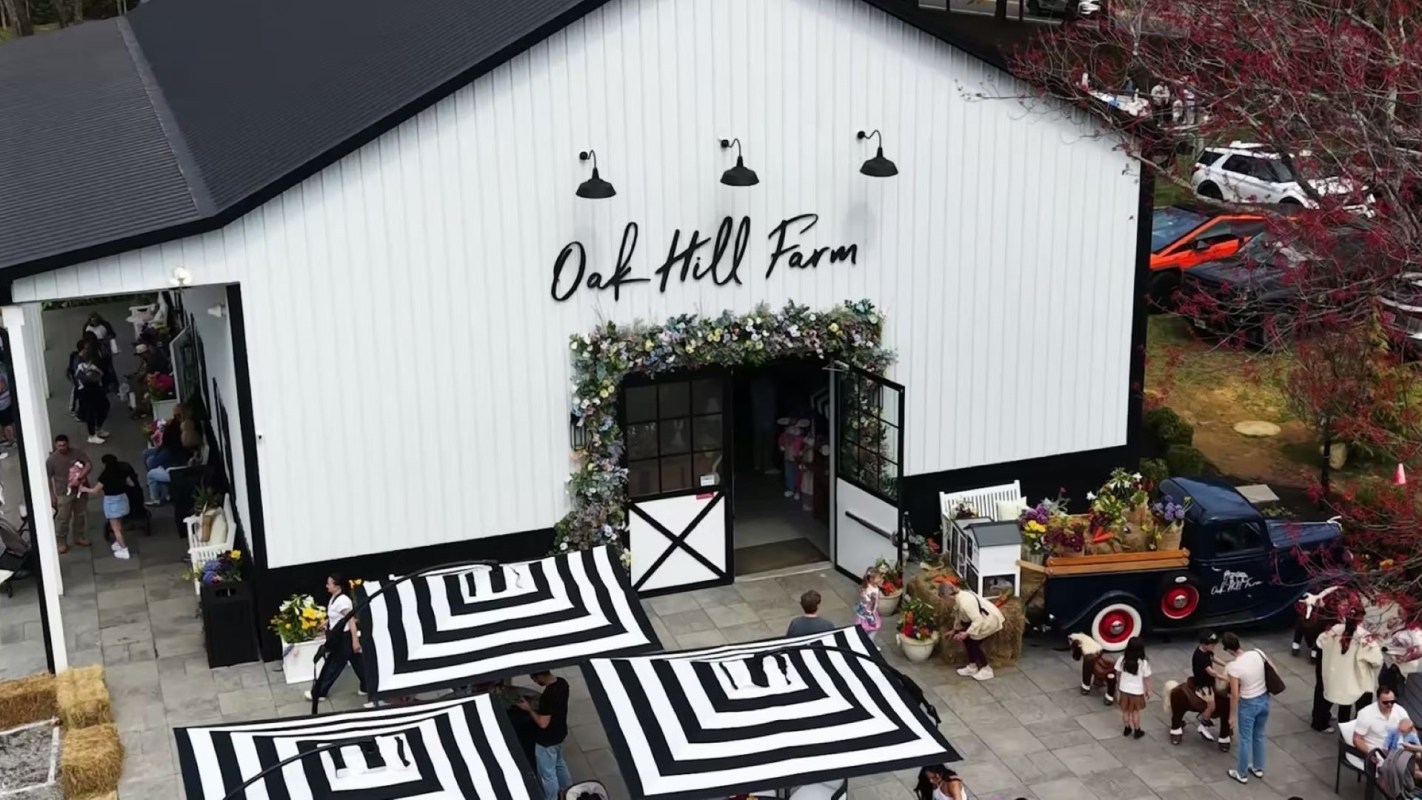
Oak Hill Farm in Holmdel, New Jersey, continued adding buildings and infrastructure even after a judge ordered construction to stop, escalating a legal fight that has led to $92,500 in fines and counting.
Here's what to know
The property at issue is Oak Hill Farm, where Holmdel Township officials said work continued for two months after a judge ordered construction to stop, according to Asbury Park Press.
The township's list of additions included electrical panels and wiring, permanent power service to portable bathrooms, a walk-in refrigerator/freezer box, and plumbing for a commercial sink. It also cited new features on the property, such as an aviary dome, a gazebo, an outdoor storage building, and an office and storage structure.
With those alleged violations, the total fine rose from $70,500 to $92,500 after another $22,000 was added. Asbury Park Press also reported that the lawsuit said the farm faced an added $500 per outstanding violation for each week after July 21.
In an August 20 ruling, Monmouth County Superior Court Judge Gregory L. Acquaviva found that the farm had broken two previous court orders requiring construction to stop. He also ordered monthly reports on site work and, as the Asbury Park Press reported, awarded attorney's fees to the township for enforcing the stop-work orders.
Francisco Rauseo, who owns the farm, bought the property for $1.65 million around February 2026. Township inspectors started visiting in late March, and Asbury Park Press reported that the violations list expanded to include unpermitted work, use of a building without a certificate of occupancy, and rooms that did not have fire extinguishers.
TCD Picks » Quince Spotlight
💡These best-sellers from Quince deliver affordable, sustainable luxury for all




More background
The township said other problems emerged after the business opened on May 28. One involved visitors parking on the grass along a road, which Asbury Park Press reported was barred by the July 2020 zoning board resolution that approved the previous owner's plans for the site.
Oak Hill Farm attorney Donna Jennings has argued that the property should qualify as a commercial farm. She said that status would allow structures supporting farm operations under New Jersey's Right to Farm Act.
Jennings also said the site covers 5.54 acres and that the previous owners recorded at least $10,757.75 in agricultural and horticultural sales in 2025, according to Asbury Park Press, which would satisfy the requirements to qualify the property as a commercial farm.
Township attorney Michael Collins has argued otherwise. He said 1.18 acres used for parking and retail should not be counted toward the 5-acre minimum, and that the prior owners' sales should not automatically qualify the new business.
What's being done?
The Monmouth County Agriculture Development Board is considering whether the property legally qualifies as a farm, a decision that could affect how much of the $92,500 in fines Oak Hill Farm ultimately must pay.
The case is being reviewed, and the answer to that farm-status question could shape how much more the owner may owe. Until there is a ruling, both the fines and the scrutiny of how the property is being used could keep growing.

Get TCD's free newsletters for easy tips, smart advice, and a chance to earn $5,000 toward home upgrades. To see more stories like this one, change your Google preferences here.