


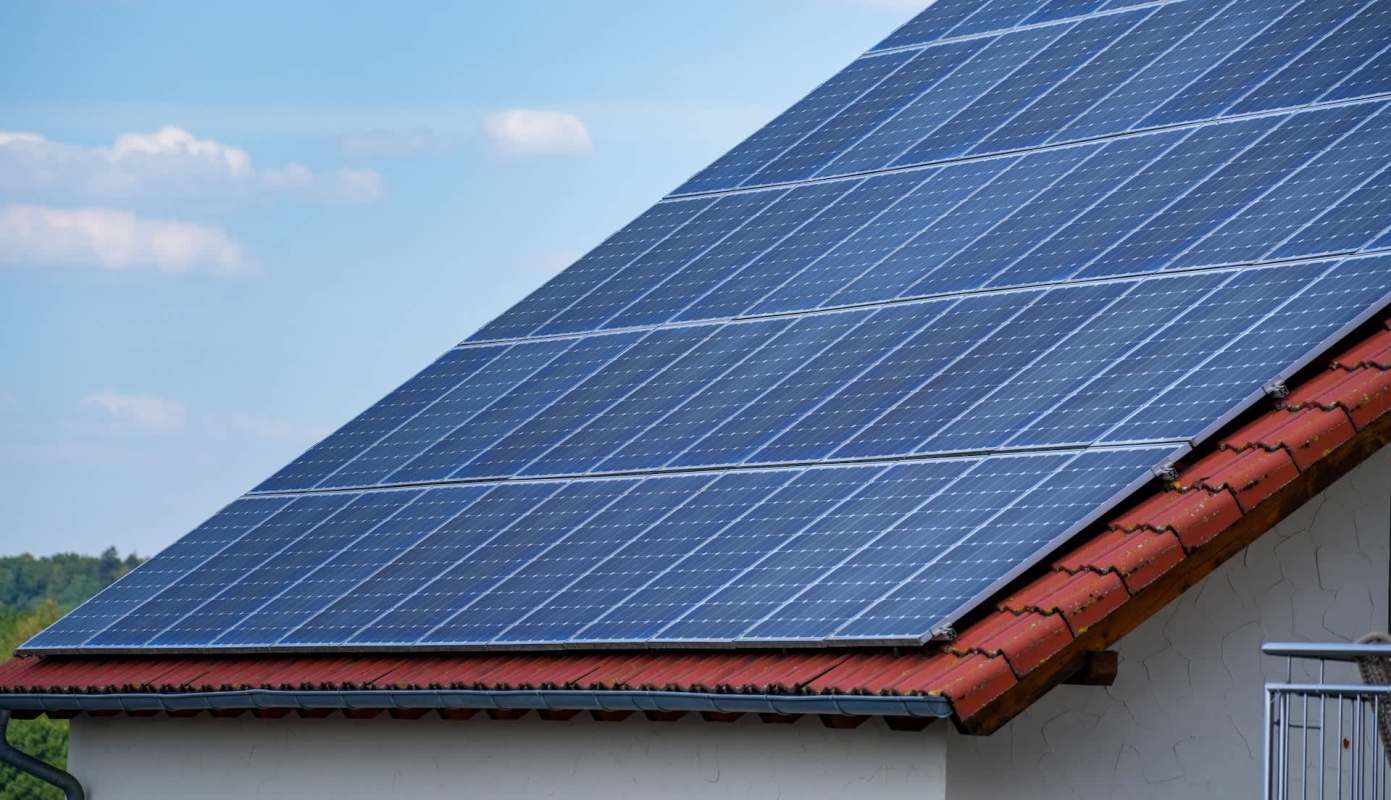
North Carolina's residential solar business was jolted when the federal 30% tax break for rooftop systems on homes expired.
In the span of a single quarter, new installations in the state sank by about two-thirds.
Even so, the sector has not frozen up. Installers say sales are already improving, with leases, battery-related incentives, and higher utility costs helping make rooftop solar attractive again.
What's happening?
New rooftop solar projects in North Carolina fell by roughly two-thirds from the fourth quarter of last year to the first quarter of 2026, according to Canary Media.
The decline followed the One Big Beautiful Bill Act, which ended the 30% federal incentive for households that buy rooftop panels.
That downturn has eased more quickly than some companies expected.
"I would tell you if we were struggling," said Jesse Solomon, vice president and director of sales at NC Solar Now. "But we just had a record month."
Going solar can still be one of the best ways to save money on home energy. If you want to see what the numbers could look like for your home, EnergySage offers free tools to get quick solar installation estimates and compare quotes.
Save $10,000 on solar panels without even sharing your phone number Want to go solar but not sure who to trust? EnergySage has your back with free and transparent quotes from fully vetted providers that can help you save as much as $10k on installation. To get started, just answer a few questions about your home — no phone number required. Within a day or two, EnergySage will email you the best local options for your needs, and their expert advisers can help you compare quotes and pick a winner. |

Why does it matter?
Part of the shift comes from rising power costs. Duke Energy residential bills have climbed by more than one-fifth over the past five years, and the utility is also seeking further rate increases. For some households, that is changing how the economics of solar look.
Some installers say that is drawing back customers who were initially hesitant.
Stew Miller of Yes Solar Solutions said, "People were scared when we lost the tax credits. But people are still installing solar systems, the prices of solar have come down dramatically, [and] there are financing programs, with these leases, that allow people to put solar on their homes with little to no cash up front."
Expanding rooftop solar can help households rely less on fossil-fuel-generated electricity while reducing the pollution that contributes to global warming. That could mean savings for families alongside cleaner energy for communities.
More From EnergySage
💡Go deep on the latest news and trends shaping the residential solar landscape


What's being done?
To adjust, solar companies across North Carolina are putting more emphasis on leased systems, often paired with batteries.
Clary Franko, chief operating officer of Sugar Hollow Solar, said, "Leasing is now alive and well," adding that "It's actually the most cost-effective residential option I've seen yet in North Carolina."
If you're shopping around, EnergySage can help you go solar by letting you curate competitive bids from local installers without them obtaining any of your contact information unless you choose to work with one further. That can make it easier to compare offers without the pressure that often comes with sales calls.
EnergySage's free services can also help consumers understand the market before signing a contract. With EnergySage's help, the average person can save up to $10,000 on solar purchases and installations. And EnergySage's solar map shows the average cost of a home solar panel system on a state-by-state level, plus details on solar panel incentives for each state, helping readers get the best price for rooftop solar panels and access available incentives.
Adding battery storage to a solar setup is one of the best ways to protect your home during outages, save on energy costs, and go off-grid. If you want to explore battery backup, EnergySage offers free tools that provide information on home battery storage options, including competitive installation estimates.
"We think that it's great to be able to help people with a product that's actually benefiting them — and the world on a large scale," Solomon said. "And there's just tons of room for growth."

Get TCD's free newsletters for easy tips, smart advice, and a chance to earn $5,000 toward home upgrades. To see more stories like this one, change your Google preferences here.






