


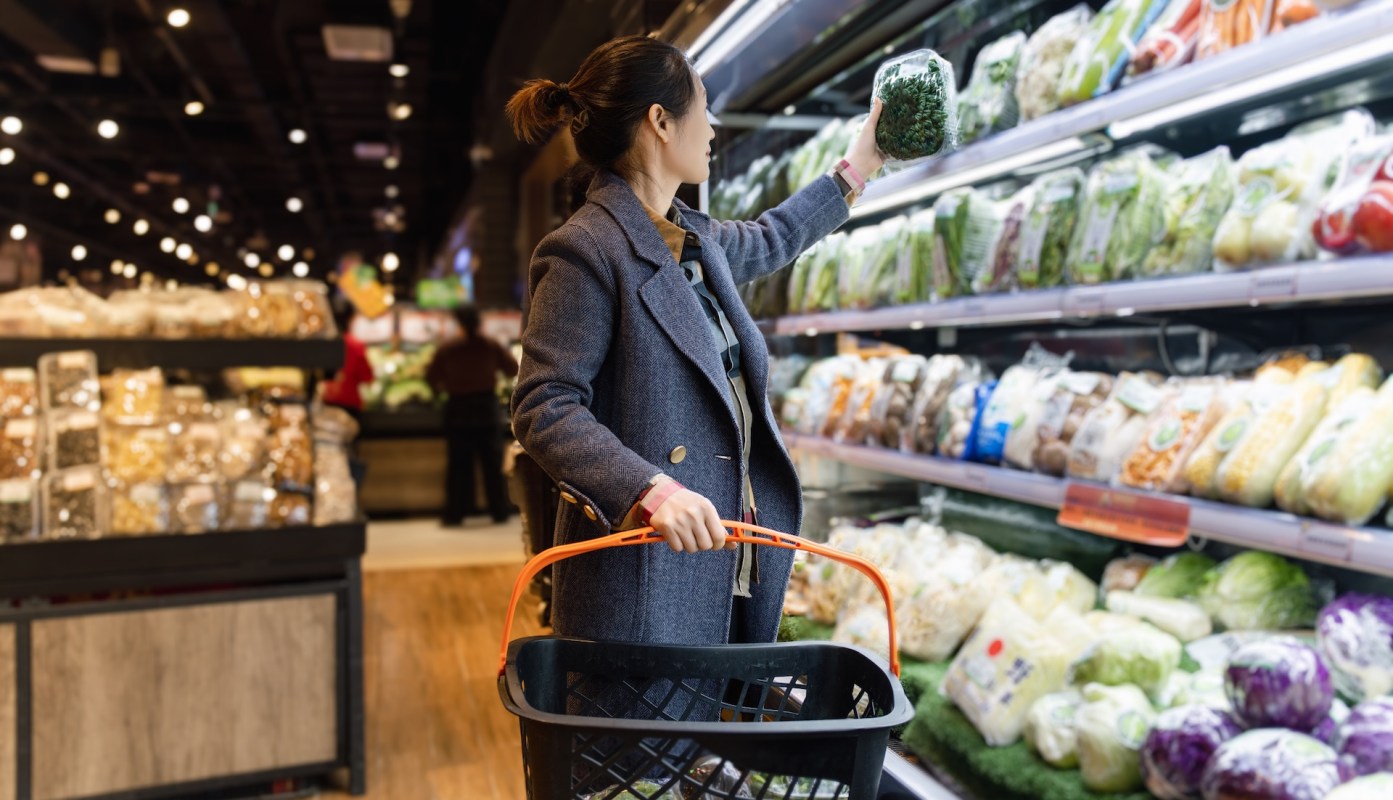
For one Charlotte, N.C., mom of two, a very short TikTok distilled a familiar problem at the checkout line. Everyday necessities cost more, and the strain shows, as Chrissy (@cltmama_) effectively put on display.
The clip lasted just eight seconds, but the discussion it sparked was much bigger, with people using the comments to talk through grocery bills, squeezed budgets, and the challenge of keeping food in the house.
Here's what to know
In the brief TikTok post, the Charlotte creator shared her stress about grocery costs, and the replies widened into a conversation about food prices and the broader cost of living.
@cltmama_ Everything is so expensive and I'm stressed #inflation #charlotte #nc ♬ original sound - crashoutmaxxer
"I'm literally about to crash out at the price of food in grocery stores in North Carolina," Chrissy put in the on-screen text. "Why is everything so dang on expensive?"
Among the more concrete examples in the comments were the price of a basic ingredient, including "$1.25 for a single onion," and a note of local recognition from another user: "Hey neighbor, same."
The thread also drew broader anger about economic pressure.
TCD Picks » Quince Spotlight
💡These best-sellers from Quince deliver affordable, sustainable luxury for all




"This is what America wants for its people….. for us to always be on the struggle," a user suggested.
More background
Grocery price anxiety hits especially hard because food is not optional. When the cost of produce, meat, pantry staples, and household basics rises, families cannot put off those purchases the way they might delay a larger discretionary expense.
That pressure is often felt most sharply by people already juggling rent, child care, transportation, and utility bills. For parents, even small price increases repeated across a week's worth of meals can snowball into a serious budget problem by the end of the month.
The replies ranged from stress and onion prices to flyers and the constant work of stretching each dollar.
Taken together, the comment section became a place for people to compare notes and vent about rising costs.
What can be done?
No single shopping trick can erase high grocery prices, but some of the most practical ideas raised in the thread centered on staying flexible and shopping local.
"Shop the flyer," one commenter advised. "There are still good deals. Local farms, farmers markets etc for great produce and meats."
For households trying to cut costs, that can mean building meals around sale items, checking unit prices instead of just shelf prices, buying seasonal produce, and using what is already at home before it goes to waste. Those steps will not solve inflation, but they can help relieve some of the pressure.
Supporting local growers and markets can help in other ways as well. When shoppers can access affordable, in-season food close to home, it can strengthen local food systems and keep more money circulating within the community.
Still, individual families cannot solve the problem alone. More affordable housing, better wages, and broader access to fresh food would do far more to reduce grocery stress than asking people to budget their way out of a system that often leaves them squeezed.
Where can I learn more?
Families in the U.S. and around the world are dealing with higher food costs and tighter budgets. The articles here follow that pressure from one family's shopping list to places where storms and flooding made basic groceries even harder to afford.
• One Redditor asked the internet if they were doing something wrong at the grocery store.
• In Cebu, prices of basic food items surged after typhoons and flooding wrecked farms.
• In India, floods pushed fruit prices sharply higher and deepened inflation worries.
• In Enugu, Nigeria, a staple food once affordable climbed beyond what many families could manage.
• Around the world, over a million bottles of water are sold every minute, adding to everyday checkout costs.
Each article captures a different version of the same strain, from a parent staring at a grocery receipt to communities hit by extreme weather. The reasons vary, but for families trying to fill a cart, the result feels familiar. Everyday food is getting harder to afford.

Get TCD's free newsletters for easy tips, smart advice, and a chance to earn $5,000 toward home upgrades. To see more stories like this one, change your Google preferences here.






