


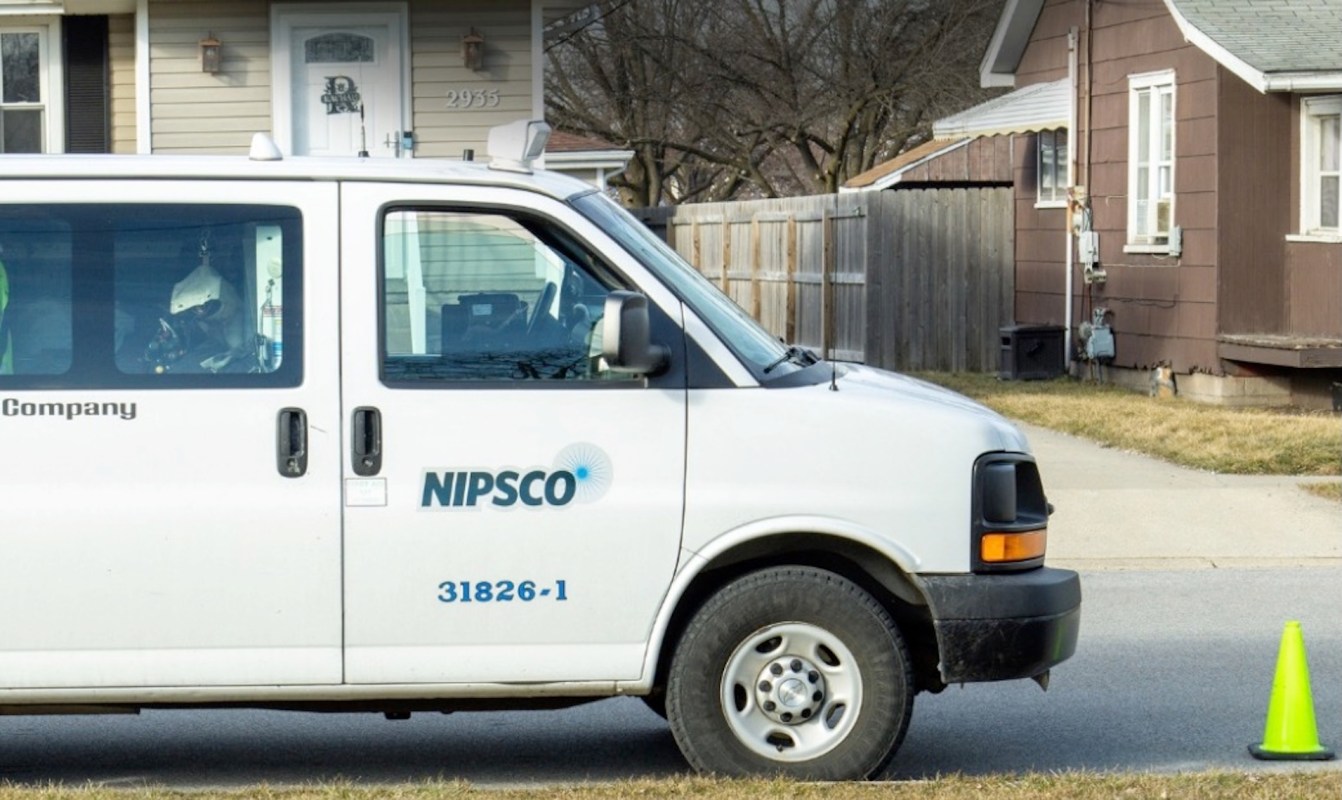
Frustration is boiling over in northwest Indiana as residents push back on the idea that lengthy power outages were simply an unavoidable result of severe storms.
In a heated online discussion, customers argued that maintenance decisions—not just the weather—turned a damaging event into a prolonged disruption.
Here's what to know
A resident in a Reddit thread in the r/nwi community argued that the scale and duration of the outages pointed to deferred upkeep by NIPSCO and parent company NiSource, not storm intensity alone.
At the center of that complaint was easement work: the poster said keeping vegetation clear around utility lines is the company's responsibility, not the public's, and contended that utilities elsewhere in Indiana and Illinois routinely handle that work in ways that helped them avoid similarly large outages.
They also challenged how restoration was being handled, saying crews were reportedly being brought in from Florida instead of nearer locations to cut costs and pointing to local data centers that appeared to keep service as evidence that some customers were being protected more aggressively than others.
"NIPSCO is the problem (well and the state allowing this, they shouldn't let a company do this w/o consequence), not the weather," the poster wrote.
TCD Picks » Quince Spotlight
💡These best-sellers from Quince deliver affordable, sustainable luxury for all




One commenter made a similar point: "Everyone who says 'It was a big storm. It couldn't be helped' has no clue of harm mitigation."
More background
Food spoils, homes can become dangerous during extreme temperatures, work and school routines are disrupted, and people who rely on electricity for medical or mobility needs can face especially serious risks.
In the thread, some residents pointed to rural electric cooperatives and other utilities as examples of better storm preparation, citing regular branch trimming, pole replacement, and more proactive maintenance.
One commenter wrote, "We had one when I lived in central Indiana and they were great about the tree maintenance."
Some criticism focused on infrastructure that residents said looked neglected. One person described poles that appeared to be leaning, while another argued that maintenance was too often delayed until something failed outright.
"I'm so tired of this," another commenter added.
What can be done?
Saving outage notices, taking photos of damaged poles or overgrown lines from a safe distance, and keeping receipts for spoiled food or emergency purchases can help when filing complaints or seeking reimbursement, where available.
Many residents in the discussion emphasized the same point: Personal preparation should not replace utility maintenance.
"It will never be 100% secure, but at least focus on harm reduction and mitigation," one commenter wrote.
Where can I learn more?
For residents in northwest Indiana, the danger kept rising as the outages stretched on. Extreme weather, social vulnerability, and backup-power planning can affect who loses electricity, how long the lights stay out, and how recovery unfolds.
• As outages worsen, Generac is pushing battery and solar backups over fuel-dependent generators.
• In Tennessee, at least 250,000 customers lost power as another regional outage stretched restoration.

Get TCD's free newsletters for easy tips, smart advice, and a chance to earn $5,000 toward home upgrades. To see more stories like this one, change your Google preferences here.






