


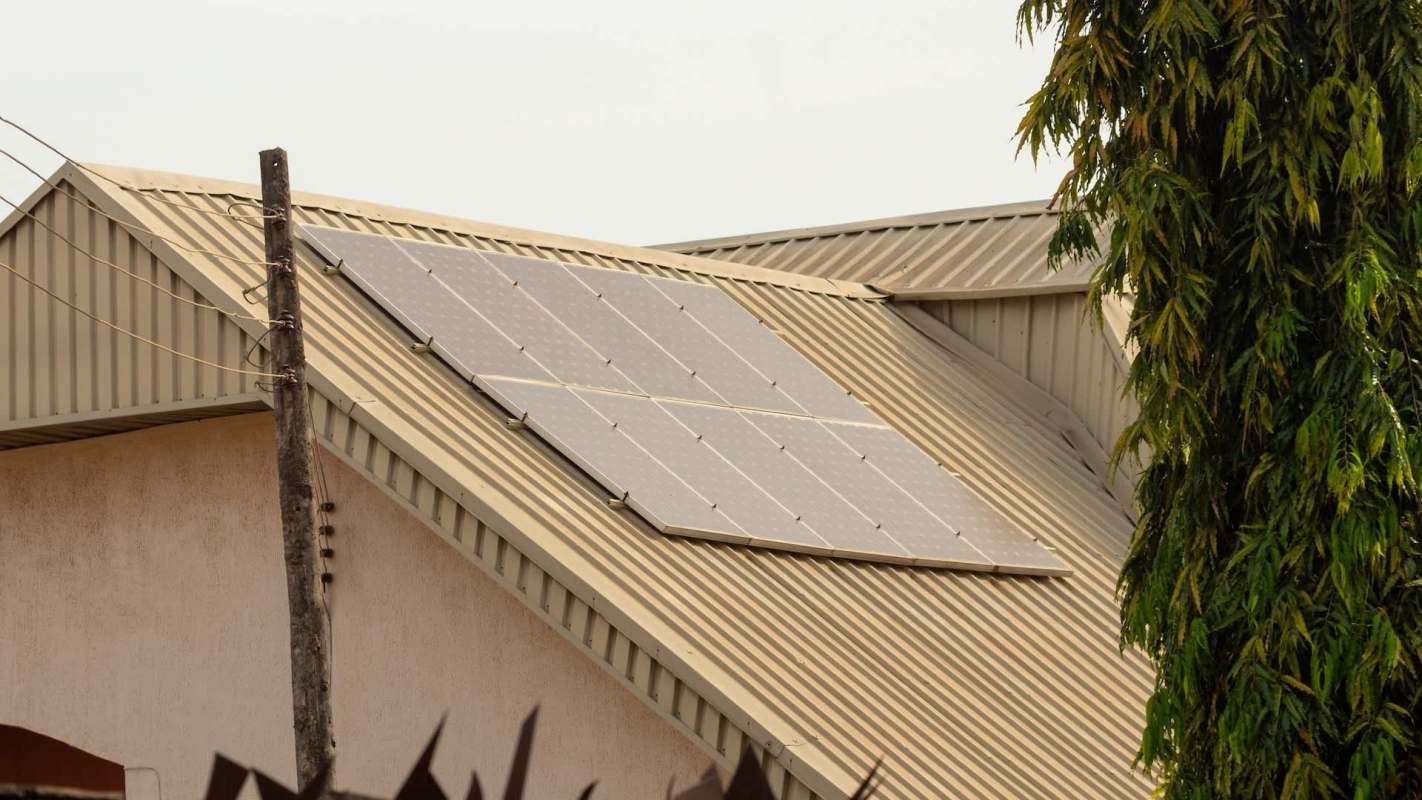
In Nigeria, wedding gift lists increasingly include solar panels, batteries, and inverters next to staples like microwaves and bed linens, reflecting how backup electricity has become a household necessity rather than an upscale extra.
The financial payoff is winning over many families — BloombergNEF estimated a small solar setup could recoup its cost in as little as 16 months as generator fuel prices continue to rise.
Here's what to know
Running a generator became costlier after gas subsidies ended in May 2023, compounding Nigeria's chronic power shortages.
According to BloombergNEF, Chinese manufacturers have made solar panels, batteries, and inverters a much more realistic purchase for consumers.
A solar setup for a three-person home costs around $4,500, compared with a new petrol generator that sells for about one-seventh of that.
However, BloombergNEF modeled generator fuel costs alone at roughly $200 per month, which helps explain why that upfront price gap can narrow much faster than many buyers expect.
TCD Picks » Quince Spotlight
💡These best-sellers from Quince deliver affordable, sustainable luxury for all




By the end of 2025, Bloomberg reported that Nigeria's small-scale solar capacity had surpassed the amount of power supplied through the national grid.
More background
The pressure on generator users has been particularly intense in cities such as Lagos, where fuel spending can quickly eat up a large share of a household budget.
One Lagos resident said weekly fuel spending had reached about 70,000 naira ($52) before subsidy cuts made it even harder to afford, per Bloomberg.
The man eventually took out a loan for a 3-kilowatt Felicity Solar system. After switching, he kept his generator only for water pumping.
Nigeria added as much solar capacity in 2026 as in 2024 and 2025 combined, but environmental concerns aren't the main driver behind the change.
Households are reacting to unreliable grid service and soaring fuel bills by seeking a steadier, more affordable way to power lights, appliances, and other basic home needs.
What's being done?
The commercial response has been rapid.
Alaba International Market in Lagos boasts more than 200 solar shops, with solar goods filling its most prominent aisles beside televisions and refrigerators.
The companies selling into Nigeria are scaling up, too.
Felicity Solar entered Nigeria after struggling in China's saturated domestic market. Its Nigerian managing director reported 250% sales growth in 2023 and a 200% average annual growth rate.
Traditional generator brands are also moving into the category by adding solar equipment to their product lines. The crossover suggests sellers see sustained consumer demand, not a short-lived spike.
For households, part of the attraction is flexibility.
Abuja-based energy consultant Lande Abudu explained that the power source lets people "build with solar and scale up," then add panels, batteries, or appliances as they can afford them, rather than paying for a full system at once.
The change is visible in Lagos storefronts.
"Most people selling electrical items are migrating to solar," said Nnamdi Nkemka, owner of CNN Global Solar.
Where can I learn more?
Nigeria's household solar boom is part of a broader move away from expensive diesel and unreliable power grids. The articles below look at that shift from several angles, including Nigerian manufacturing, emerging-market financing, and off-grid batteries.
• Across Nigeria, solar is drawing industry away from diesel generators and weak grid service.
• Across emerging markets, solar now beats fossil fuels on upfront costs and financing.
• In Africa and Asia, all-in-one off-grid batteries target homes still reliant on diesel.

Get TCD's free newsletters for easy tips, smart advice, and a chance to earn $5,000 toward home upgrades. To see more stories like this one, change your Google preferences here.






