


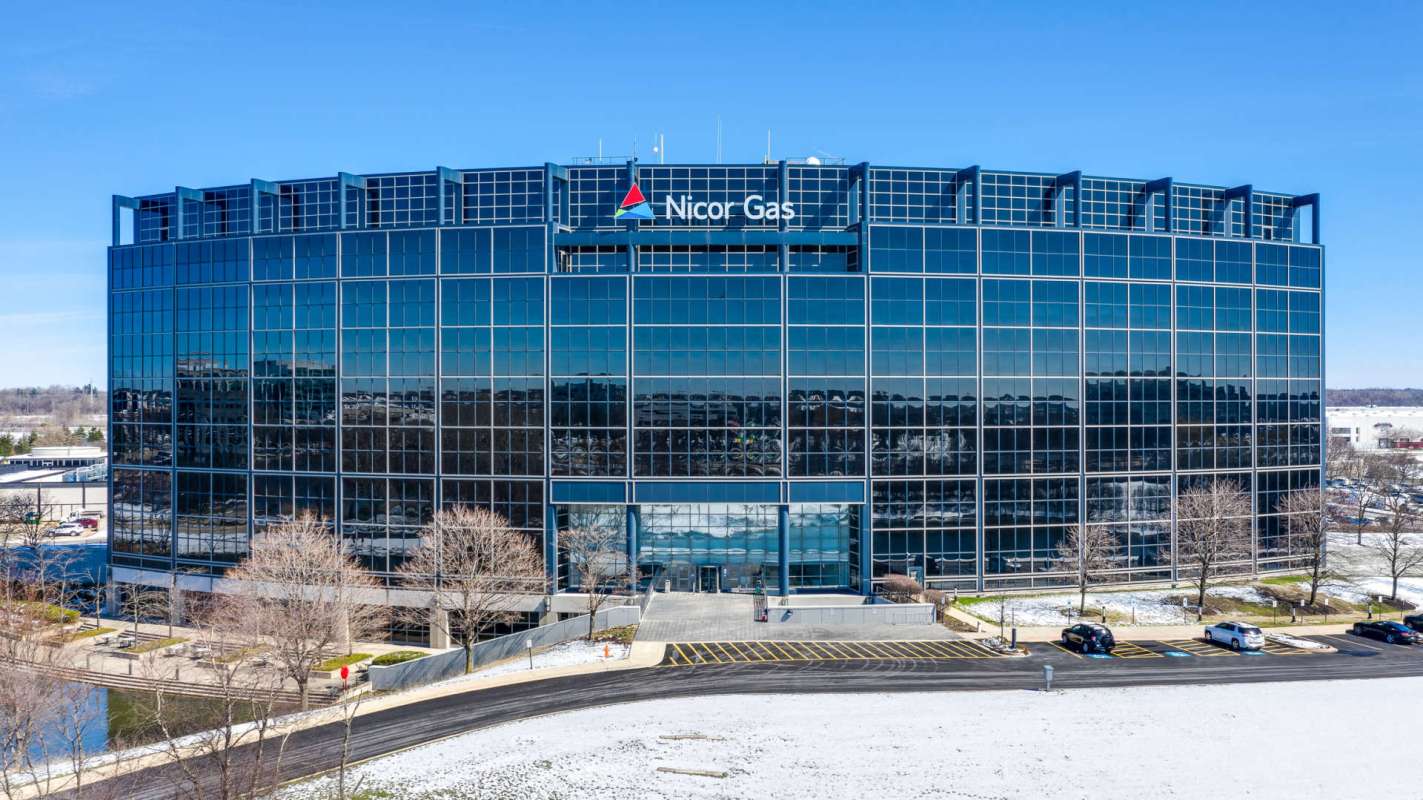
A proposed Nicor Gas rate increase for residential customers across northern Illinois now looks far smaller than initially planned.
If approved, a new settlement would trim 63% from the utility's request, lowering the average monthly increase from roughly $6 to about $2.
Here's what to know
Nicor's January filing sought a $221 million rate increase, but a settlement negotiated with Illinois Attorney General Kwame Raoul's office and consumer watchdog groups would remove $140 million from that total if approved, Capitol News Illinois reported.
The agreement would set the shareholder profit rate at 9.48% rather than the 10.35% Nicor initially requested. The company's original proposal would have been a 14.5% increase for Nicor's 2.3 million gas customers in northern Illinois, and Nicor also agreed to drop its appeal in a previous rate case that regulators had already cut by nearly half.
Customer bills would also be rebalanced away from a higher flat fee. Starting November 16, the fixed monthly gas delivery charge would fall from $21.30 to $15, so more of each bill would depend on actual gas use instead of a set monthly charge.
For homeowners looking to cut energy costs more dramatically, going solar is one of the best ways to save money on home energy. You can explore EnergySage to get free solar installation estimates and compare quotes.
More background
The dispute largely centered on how much of Nicor's proposed investment needed to happen in the near term. Nicor said the spending would help maintain reliability during extreme weather and keep the utility aligned with state and federal rules.
The attorney general's office and consumer advocates argued that large portions were not urgently necessary and noted that gas utilities earn money through delivery charges, not from the gas itself.
Save $10,000 on solar panels without even sharing your phone number Want to go solar but not sure who to trust? EnergySage has your back with free and transparent quotes from fully vetted providers that can help you save as much as $10k on installation. To get started, just answer a few questions about your home — no phone number required. Within a day or two, EnergySage will email you the best local options for your needs, and their expert advisers can help you compare quotes and pick a winner. |

Raoul's office also entered into a separate labor agreement with Nicor. It would keep 2026 union staffing in place through the end of 2027 and continue capital spending, as commercially reasonable.
Andy Nacke, president of IBEW Local 19, said the agreement showed "the importance of labor continuing to have a seat at the table."
Some advocates objected to that part of the deal.
Abe Scarr, director of Illinois Public Interest Research Group, called it "bad policy and a misstep," adding, "We shouldn't be basing utility policy based on the number of jobs it's creating. It's not a jobs program, it's a public service."
More From EnergySage
💡Go deep on the latest news and trends shaping the residential solar landscape




Rob Kelter, a senior attorney at the Environmental Law & Policy Center, similarly warned that locking in high spending could weaken pressure on the utility to act more prudently.
What's being done?
As Illinois works toward its carbon reduction goals, the settlement would require Nicor to consider alternatives to traditional pipeline replacement. It would also reduce the hit to customer bills if the Illinois Commerce Commission approves it before the planned November start.
Advocates also said the lower fixed charge gives households more control over what they pay each month, because using less gas would have a bigger effect on the bill. Kelter said that kind of change will be "critical" as the state works toward its carbon reduction targets.
EnergySage's free services could also help households thinking beyond gas bills altogether. With EnergySage's help, the average person can save up to $10,000 on solar purchases and installations.
You can also use EnergySage's solar map, which shows the average cost of a home solar panel system on a state-by-state level and details solar panel incentives in each state, helping people get the best price for rooftop solar panels and access available incentives.
Adding battery storage to a solar setup is one of the best ways to protect your home during outages, save money on energy, and go off-grid. It can make a clean-energy system more resilient while helping homeowners rely less on the utility. For more information about home battery storage options, including competitive installation estimates, explore EnergySage.
"This is not a clear win for customers, it's compromise. But I think it keeps moving us in a positive direction," Kelter said.
Where can I learn more?
Disputes over fixed charges, infrastructure spending, and monthly bills extend well beyond Nicor's case. Residents are pushing back on rising utility costs, along with practical tips for lowering home energy expenses as rates rise.
• In Texas, CPS Energy customers still face 21 years of fees after the 2021 storm gas costs.
• In Illinois, residents opposed a $142M water hike as some household bills tripled.
• Across Illinois, private utilities pursued water and sewer rate hikes alongside a major merger push.
• Illinois officials urged households to beat peak-hour rates and trim summer power bills.

Get TCD's free newsletters for easy tips, smart advice, and a chance to earn $5,000 toward home upgrades. To see more stories like this one, change your Google preferences here.






