


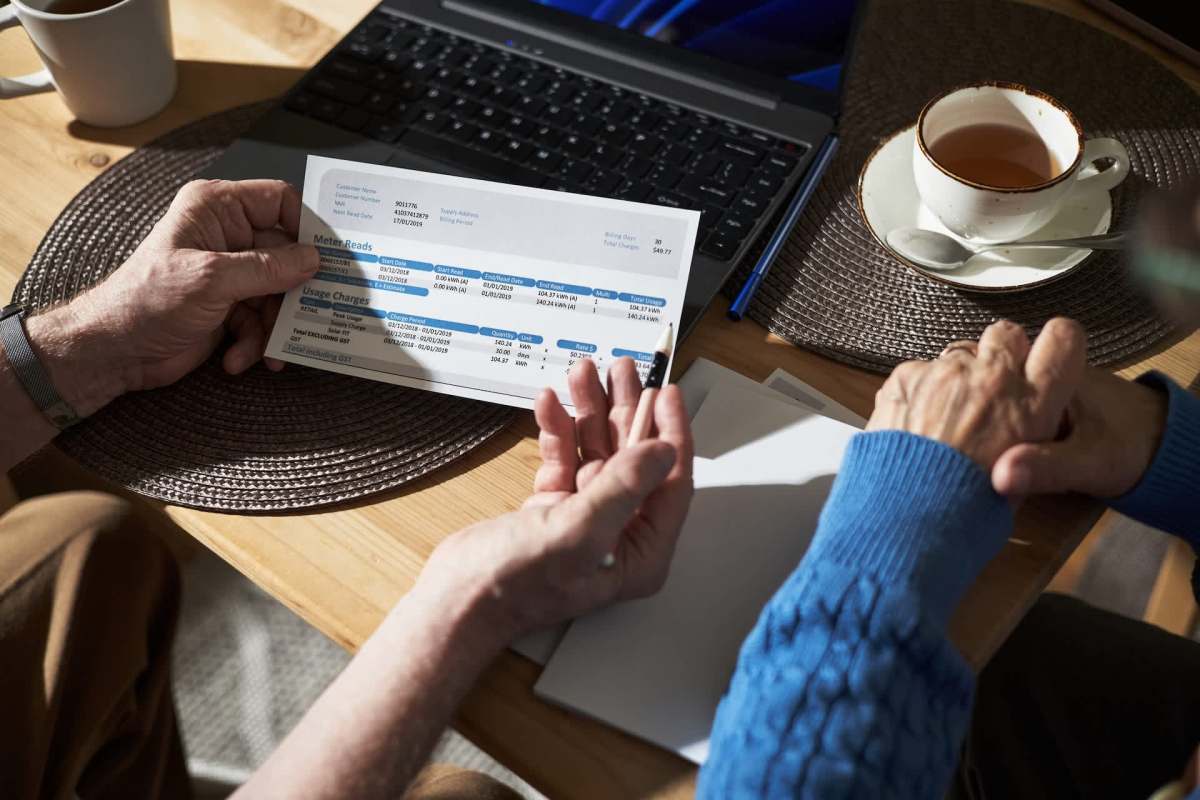
State Sen. Tom O'Mara is pressing for New York utility bills to list out more details of the state energy program costs built into monthly charges.
He wants an accounting beyond what the System Benefits Charge customers may already see, explaining what those programs are supposed to achieve.
That effort is resurfacing at the same time the state Tax Department is sending one-time POWER rebate checks, though those payments are financed separately.
Here's what to know
During the week of Oct. 12, O'Mara renewed support for what he calls the Ratepayer Disclosure and Transparency Act, which appears in the state Senate as S6412A, as FingerLakes1 reported.
The measure would require the Public Service Commission and the New York State Energy Research and Development Authority to issue monthly estimated or actual figures on the costs and benefits of mandated energy programs. It would also require residential utility bills to include itemized program charges.
The bill advanced out of the Senate Energy and Telecommunications Committee in May but remains in the Consumer Protection Committee, meaning the current record does not show it has been enacted.
TCD Picks » Quince Spotlight
💡These best-sellers from Quince deliver affordable, sustainable luxury for all




A second O'Mara bill, S8461A, would seek to send credits back to ratepayer accounts when eligible clean energy funds are left surplus or uncommitted at the end of a fiscal year. That proposal is still before the Senate Finance Committee.
The disclosure bill covers costs tied to areas such as clean energy standards, offshore wind, efficiency programs, heat pumps, electric vehicle infrastructure, transmission, and storage.
More background
For Rochester Gas and Electric customers in the Finger Lakes, monthly statements already include charges beyond the amount of gas or electricity used in the home.
RG&E describes its supply charges as the cost of buying energy, which the company says is passed through to customers without a markup.
The delivery portion of the bill pays for the system and related services that move energy to households, including distribution lines, transformers, gas piping, and billing.
Those delivery charges still apply even if a customer buys energy from another supplier.
The Department of Public Service says the System Benefits Charge cannot be avoided on electric or gas bills and is used to support public policy efforts such as energy efficiency, research, renewable energy, and help for low-income customers.
The Department of Public Service also maintains a clean energy dashboard that reports financial and energy savings information, but those reports do not translate into every program appearing as its own line item on a customer's monthly bill.
What's being done?
One affordability response is the Protecting Our Wallets Energy Rebate program, better known as POWER. Gov. Kathy Hochul's budget set aside $1 billion for those checks, which are being sent automatically based on 2024 resident income tax filings rather than utility usage.
Eligible New Yorkers can receive between $100 and $200 if they were full-year residents, filed on time, and were not claimed as dependents. Utility bills are not required, and the money does not come from the same funding pool O'Mara is targeting in his refund proposal.
Hochul's office also paired the rebates with other utility-related efforts, including limits on passing lobbying and political costs to customers, increased scrutiny of rate requests, and a new commission to study energy prices.
While O'Mara cites a potential return of nearly $3 billion in his column, the bill itself lists its fiscal impact as undetermined and does not promise a flat refund for every account.
Neither proposal currently creates a new utility bill disclosure deadline or guarantees customers a specific credit amount.
Where can I learn more?
The articles below look at how utility customers pay for energy policy and grid upgrades.
• In New York, lawmakers required the NYPA to open its doors to greater public participation.
• Across the United States, utilities used money collected through electricity bills to expand regional transmission lines.
• In Kentucky, lawmakers moved to make utility shutoffs transparent for the public as protections tightened.
• North Carolina finalized a controversial energy rule that critics said could raise utility bills.

Get TCD's free newsletters for easy tips, smart advice, and a chance to earn $5,000 toward home upgrades. To see more stories like this one, change your Google preferences here.






