


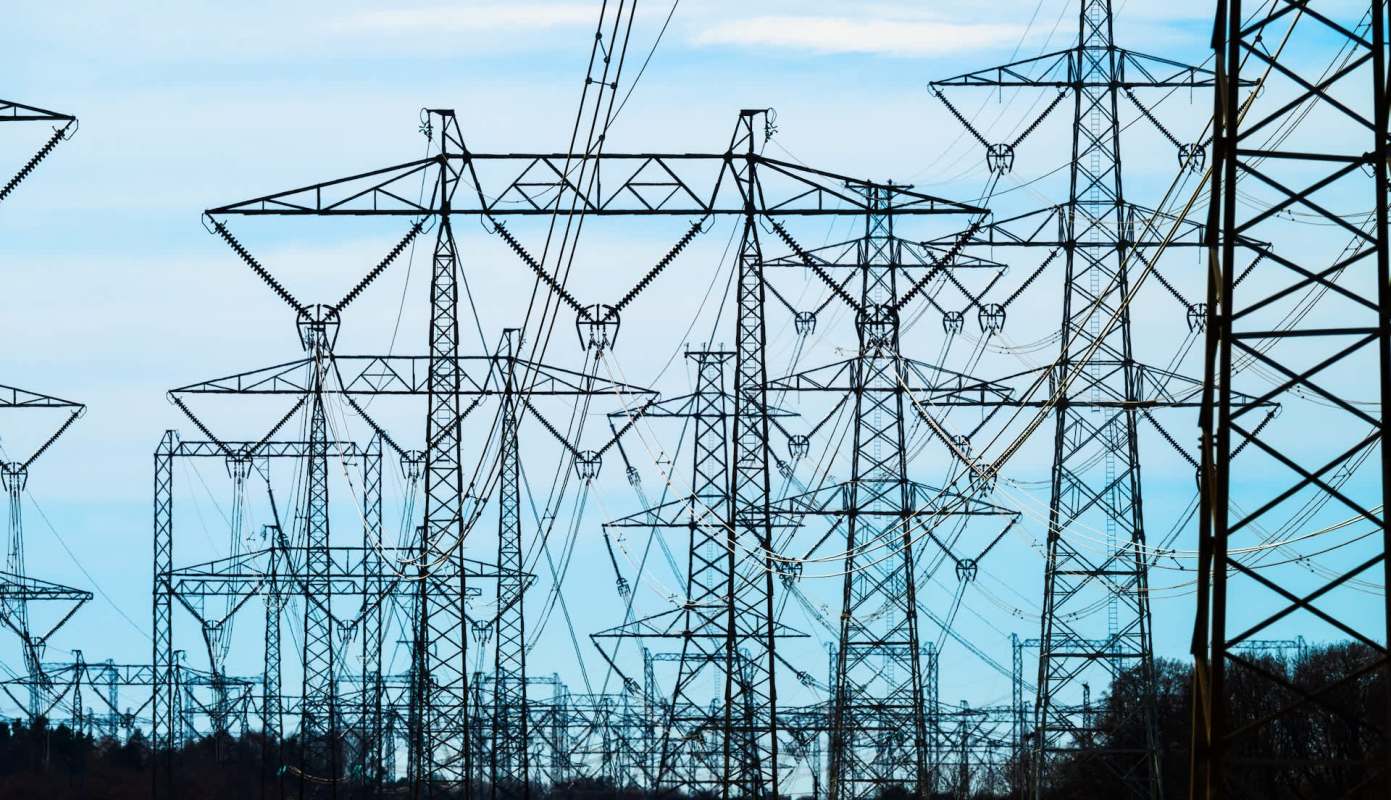
Questions about affordability and reliability dominated a Hurley energy forum, where speakers examined why utility bills are rising in New York's Hudson Valley as the state moves away from non-renewable energy sources.
The panel was relocated shortly before it began, and residents then heard from utility officials, grid operators, and energy advocates who differed on the main causes but agreed the stakes are high.
Here's what to know
According to Hudson Valley One, the New York Energy Alliance event — organized by Kingston residents Fox Green and Alex Panagiotopoulos — ended up at Hurley Reformed Church after a Kingston City School District venue was canceled.
From there, the discussion centered on how electricity prices are set, why backup generation matters, and what it costs to keep service stable when supply changes abruptly.
To illustrate that, Central Hudson director of system operations and emergency management Kevin Sheehan pointed to an incident, according to Hudson Valley One.
"Just one day prior to the panel, a major high-voltage transmission line tripped elsewhere in New York, triggering a sudden frequency excursion across the state grid," Sheehan said. "Residential customers remained unaware of the system disturbance because large rotating generators, specifically active units at the Roseton and Danskammer generating facilities, were signaled to rapidly pick up reserve load and restore frequency within minutes."
TCD Picks » Quince Spotlight
💡These best-sellers from Quince deliver affordable, sustainable luxury for all




Several speakers said that kind of reliability is expensive and that households are seeing part of that cost reflected in their monthly bills.
More background
Industry expert Meredith Angwin approached the topic by first explaining how electricity gets priced, per Hudson Valley One.
She said grid operators conduct auctions every five minutes, and generators whose bids are accepted all receive the same market-clearing price, even when some offered cheaper power. In her telling, that system shapes which resources stay profitable and how much redundancy the grid must carry.
She also argued that some wind operators can bid below zero because federal tax credits and renewable energy certificates help cover the difference, making simple price comparisons between energy sources less useful.
Questions from the audience highlighted the pressure on consumers. Jim McGill of Newburgh asked what was pushing residential rates higher, and an audience member working for the New York City Department of Sustainability said winter heating bills in Westchester had reached $1,000 a month, according to HV1. Panagiotopoulos added that as heavy industry leaves the region, more of the grid's costs are being shifted onto households.
What can be done?
A common view among several speakers was that New York should move more deliberately as it updates the grid.
Angwin cited France's large nuclear fleet as an example of steady planning and said dispatchable plants should not be shut down before dependable replacements are ready.
Panagiotopoulos said net metering, which credits rooftop solar owners for electricity they send back to the grid, deserves another look. He argued that when those customers receive full retail credits for power later used in higher-cost months, non-solar customers can end up paying the difference through higher delivery charges.
He also said a public records request had been filed to find out why the original venue was canceled.
For Angwin, the debate was ultimately about pace rather than direction, a point she summed up with an ancient Chinese proverb: "crossing the river by feeling the stones."
Where can I learn more?
These stories add useful context to the Hurley panel's debate over why electricity is getting more expensive to deliver and to keep reliable when supply and demand shift. They also look at the pressures residents were asking about, including transmission costs, rapidly growing power use, and the strain reflected in monthly bills.
• U.S. utilities have drawn scrutiny for spending ratepayer money on major regional transmission projects.
• Across several U.S. regions, cryptocurrency mining facilities have added demand and pushed electricity prices higher.
• In Great Britain, data centers' rising demand is emerging as another pressure on the grid.
• Across America, power bill stress is leaving many households doubtful and losing sleep.
The broader pattern is clear: disputes over reliability, demand growth, and who absorbs the costs are landing squarely on consumers.

Get TCD's free newsletters for easy tips, smart advice, and a chance to earn $5,000 toward home upgrades. To see more stories like this one, change your Google preferences here.






