


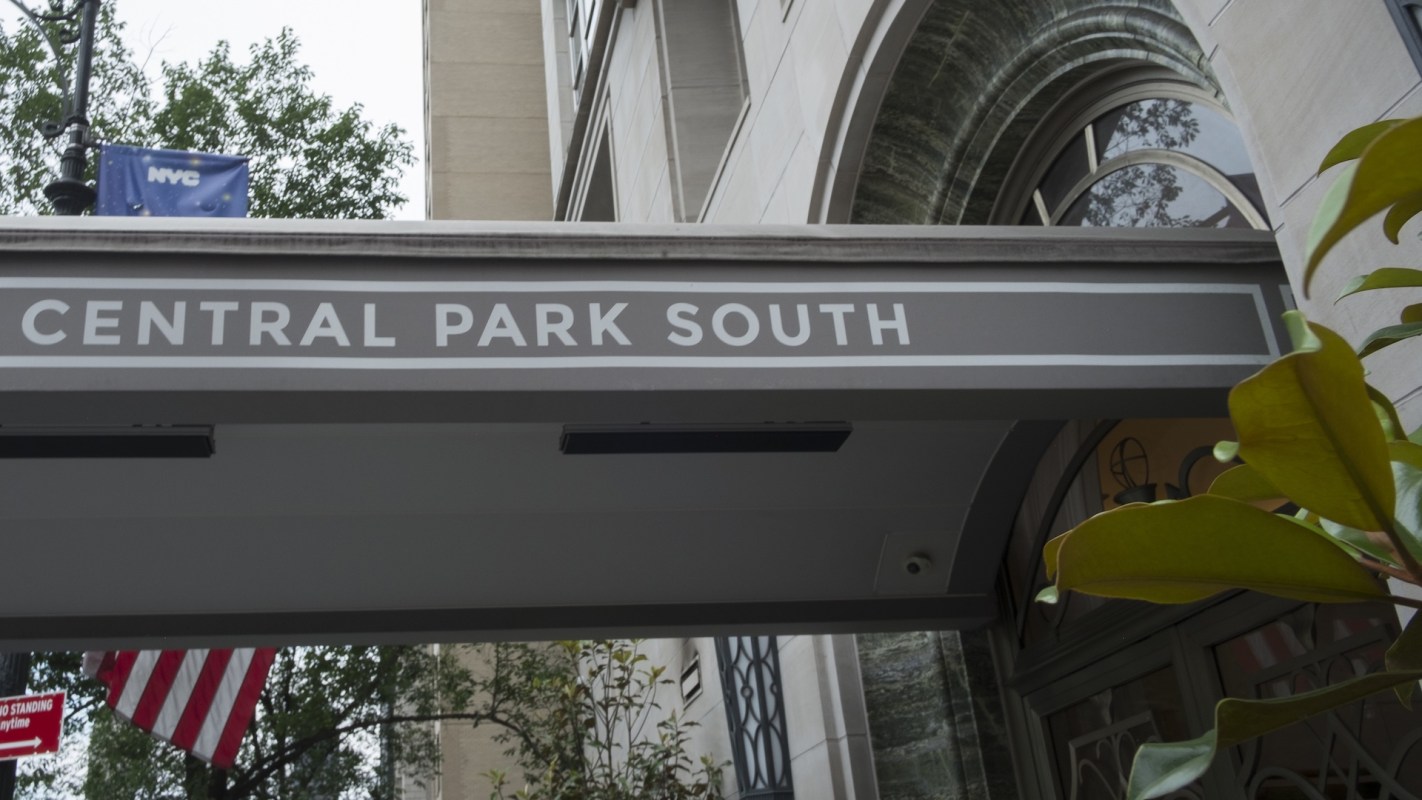
Few housing stories stir up outrage faster than allegations that someone is living rent-free in a luxury Manhattan apartment while most New Yorkers struggle to keep up with rising costs.
A new lawsuit claims that is happening at 240 Central Park South, where owners accused residents Daniel and Susan Bancroft of failing to pay rent, according to the New York Post.
What happened?
The legal battle centers on the prestigious 240 Central Park South building, and the plaintiffs are seeking $78,375 in alleged unpaid rent, plus interest.
The lawsuit says the couple signed a lease renewal effective July 1, 2025.
The Post reported that the monthly rent rose from $12,500 to $13,062.50 for the second year.
However, the complaint alleges rent was unpaid in October or November 2025, followed by partial payments in January and February 2026, and no payments at all after April 2026.
TCD Picks » Quince Spotlight
💡These best-sellers from Quince deliver affordable, sustainable luxury for all




In addition to the alleged unpaid rent, the owners are pursuing claims for breach of contract, legal fees, and use and occupancy.
The suit also seeks an additional $50,000 in legal fees and expenses tied to the dispute over the roughly 1,500-square-foot, two-bedroom, two-bath apartment.
Citing public records connected to the couple, the Post hinted at previous financial troubles as well, including a 2024 federal tax lien for $223,873 and an earlier Chapter 13 bankruptcy filing.
Why does it matter?
Even in a luxury building, rent payment disputes can affect more than a single unit.
Housing costs do not simply vanish when one household allegedly stops paying — building taxes, staff wages, maintenance, insurance, and utility-related expenses still have to be covered somehow.
The case also underscores a broader affordability problem in New York City.
As rents continue to climb, disputes can grow heated, and trust among landlords, tenants, boards, and neighbors can quickly erode.
Housing instability and legal conflicts consume time, money, and resources that could otherwise go toward building upkeep, efficiency improvements, and the creation of healthier, more resilient neighborhoods.
What's being done about it?
For now, the dispute is making its way through the courts.
The landlord asked the judge to order payment of past, current, and future rent and to require ongoing use-and-occupancy payments until the apartment is vacated.
Landlords are required to strictly follow formal legal channels rather than trying to remove tenants on their own.
The complaint argued that the owner "continues to be out-of-pocket paying for expenses such as taxes and other charges, while Tenants lives in his luxury apartment rent-free."
"It is anticipated that Tenants will not make further payments to Landlord for rent and/or use and occupancy under the Lease unless directed to do so by the Court," it continued.

Get TCD's free newsletters for easy tips, smart advice, and a chance to earn $5,000 toward home upgrades. To see more stories like this one, change your Google preferences here.






