


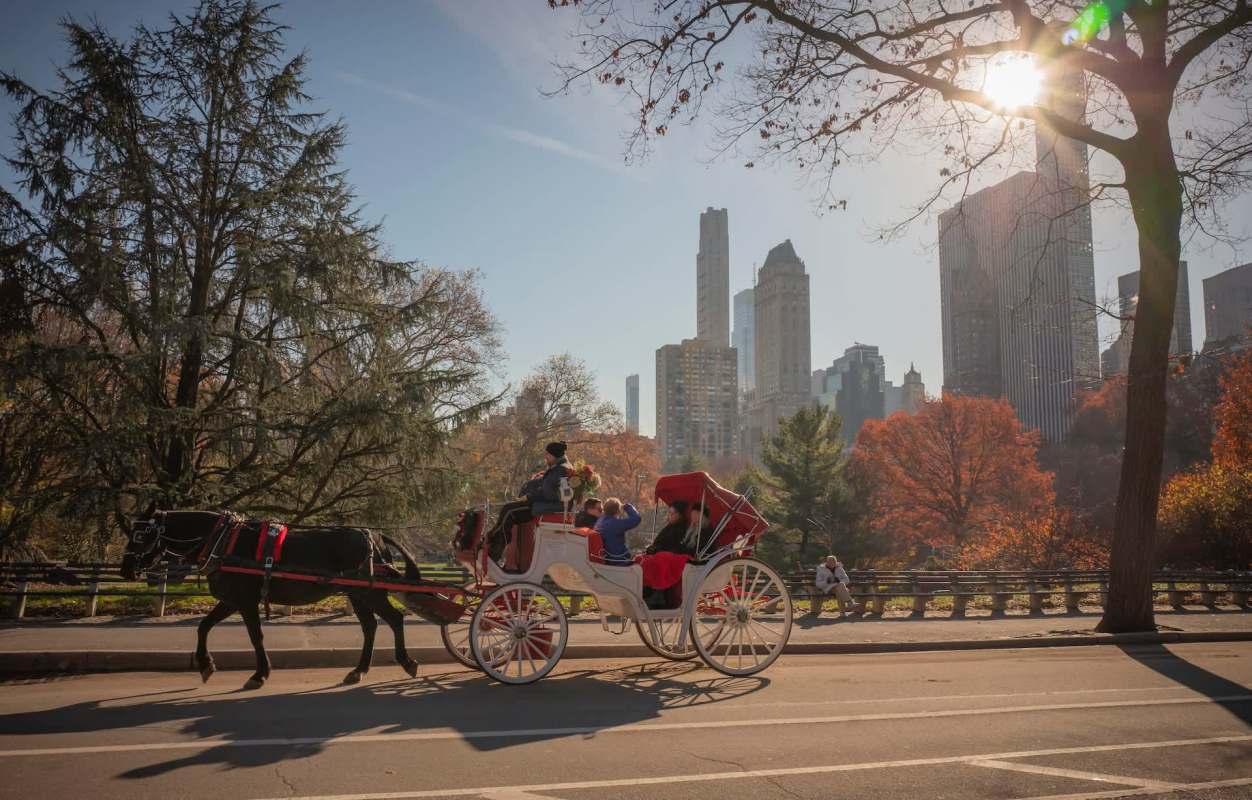
New York City appears poised to bring its horse-drawn carriage industry to an end. According to ABC7 New York, city leaders are backing a ban after two high-profile deaths sharpened long-standing concerns about public safety and animal welfare.
Here's what to know
On Oct. 22, the New York City Council is set to vote on the ban, which ABC7 New York reported is expected to pass. On X, Mayor Zohran Mamdani backed the bill, which would wind down horse-drawn carriage rides while setting up a transition plan for the workers who depend on them.
Councilmember Chris Marte, the bill's sponsor, wrote in a statement provided to the station that the proposal is designed to pair the end of the rides with a formal transition. Under the bill, city agencies would have to develop options for affected workers, including possible new jobs and financial assistance as well as compensation connected to medallions and horses.
"We have been working closely with the City Council, union partners, carriage drivers, animal welfare advocates, and community leaders to deliver a just transition that protects workers while ending horse-drawn carriages in Central Park once and for all," City Hall wrote in a statement.
ABC7 reported support for the proposal intensified after two deaths, including horse Deniz and 18-year-old tourist Romanch Mahajan. Mahajan was riding with family members when a horse named Sampson took off suddenly and caused the teen to fall.
More background
The proposed ban would mark the end of a business that carriage operators say has been part of New York City life since 1858. For some residents and visitors, the rides are a nostalgic part of Central Park. For workers, they are a source of income built over decades.
TCD Picks » Quince Spotlight
💡These best-sellers from Quince deliver affordable, sustainable luxury for all




From the union's perspective and individuals like Transport Workers Union International President John Samuelsen, the bill still does not provide enough economic protection for workers.
"It only says the city should prepare a worker transition plan by April 2027 and include weak measures like job fairs and job counseling," he alleged to ABC7. "It says the city should 'consider' financial compensation for carriage owners who spent hundreds of thousands of dollars to buy city-issued medallions and build up their businesses."
One of the drivers following the bill closely is Ahmet Bilici, a veterinarian trained in Turkey who has spent nearly 25 years driving carriages in Central Park. He relayed to the station he worries the ban could erase the value of his medallion, and the horses' future also remains unsettled.
What's being done?
City Hall has presented the effort as a ban that should come with a fairer transition for the people tied to the industry.
The debate extends beyond ending the rides to what comes next for immigrant workers, small-business owners, and the horses themselves. The transition plan is intended to give city leaders a roadmap for replacement jobs and financial relief.
If the bill passes, city agencies would have to submit transition options to the mayor and the Council speaker, including possible compensation.
"We wanted to make sure that this bill was a win-win, that we protect horses, workers and the public at large," Marte told ABC7.
Where can I learn more?
Similar debates over animal attractions and tourist safety are happening around the world.
• Lawmakers in Mexico approved historic legislation banning dolphin shows as pressure grew on marine entertainment.
• At Assateague Island, a visitor faced instant consequences after getting too close to a horse.

Get TCD's free newsletters for easy tips, smart advice, and a chance to earn $5,000 toward home upgrades. To see more stories like this one, change your Google preferences here.






