A petition signed by more than 50 organizations and 1,400 people in New Mexico is urging state leaders to consider buying into TXNM Energy, PNM's parent company, instead of letting another share sale expand Wall Street's role in the utility that delivers electricity to most of the state.
Here's what to know
As Source NM reported, the petition asks senior state officials and both candidates for governor to explore a public investment in TXNM Energy Inc., which owns PNM.
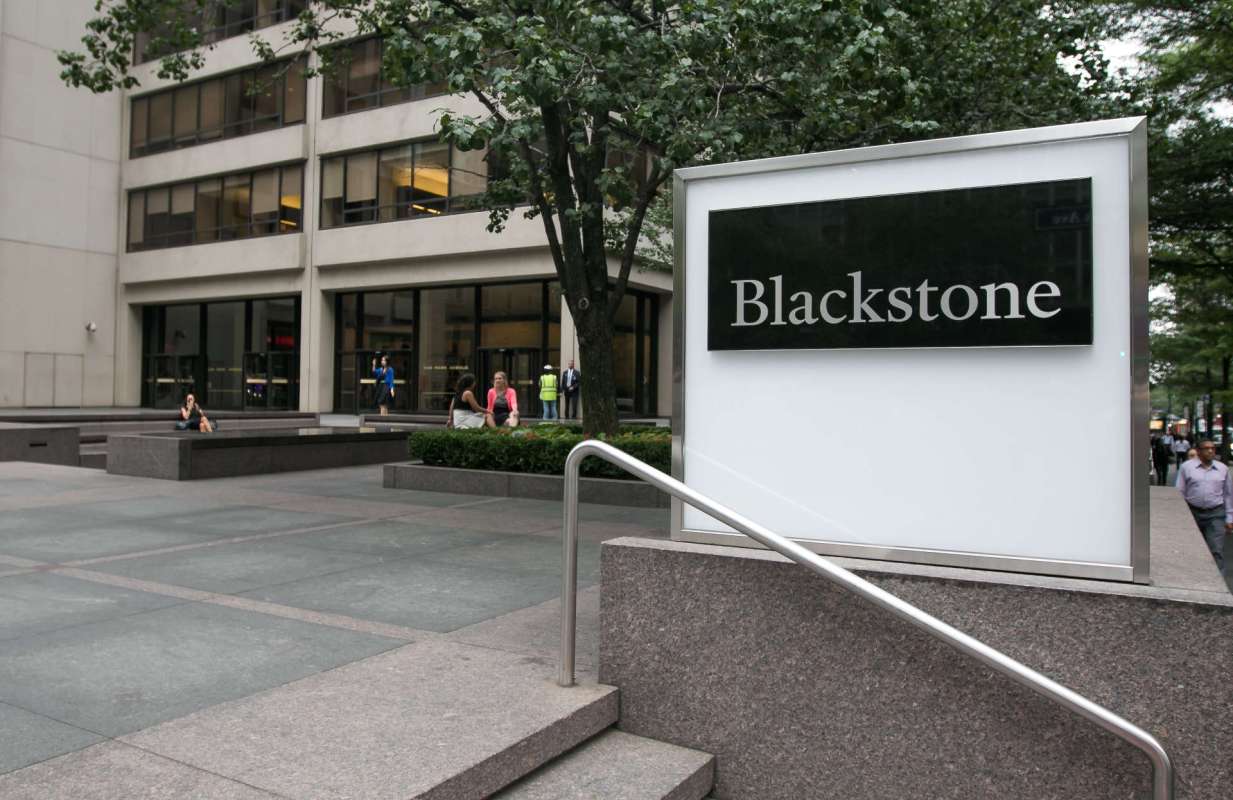
The request comes after part of Blackstone's proposed $11.5 billion acquisition ran into legal problems.
The state Public Regulation Commission ruled that a $400 million stock deal between TXNM and Blackstone broke state law and must be reversed. Once Blackstone is repaid, TXNM intends to issue another $400 million in stock, and critics say that moment could allow the state to step in instead.
"Instead of automatically handing this investment opportunity back to Wall Street, New Mexico should seriously evaluate purchasing a significant stake in our own largest electric utility," Mariel Nanasi, executive director of the clean energy group New Energy Economy, said in a statement.
A spokesperson for the State Investment Council told Source NM that officials needed "additional analysis and review of what's being suggested" before commenting on the proposal.
TCD Picks » Quince Spotlight
💡These best-sellers from Quince deliver affordable, sustainable luxury for all




More background
Ownership of a major utility can shape affordability, accountability, and the pace of renewable energy development.
Public opposition to the Blackstone deal has already been visible at comment meetings, where residents have filled the room to speak against the takeover.
In a July Albuquerque Journal op-ed, Governor Michelle Lujan Grisham wrote that the state needs "well-regulated private capital to realize our energy goals," and a spokesperson told Source NM on Wednesday that her position had not changed.
With New Mexico voters choosing their next governor on November 3, the question of who should shape the utility's future has taken on added political importance. Both major candidates have signaled caution. Deb Haaland, the former U.S. representative and Interior secretary, and Gregg Hull, the former mayor of Rio Rancho, have each said any final arrangement must protect ratepayers.
What's being done?
New Energy Economy, the Center for Biological Diversity, and Youth United for Climate Crisis Action are among the groups backing the petition. They say that if TXNM is going to sell stock, state leaders should seriously weigh whether New Mexico ought to own part of a utility that so many residents rely on.
Haaland said that "there are both successful and unsuccessful models of public utilities across the country," while stopping short of endorsing a purchase outright.
"I am firmly in favor of making our utilities more accountable to ratepayers, more affordable for consumers, driven by more renewable energy for our environment, and more beneficial for New Mexicans," said Haaland. "My priority as Governor will be to ensure we support families, protect consumers, and keep costs down."
Hull also called for close scrutiny before any outcome moves forward.
"Whatever happens with TXNM has to work for New Mexico ratepayers and taxpayers first, not politicians or private equity," Hull said. "That means the PRC's ruling on the illegal stock sale gets enforced in full, and it means this coalition's buy-in proposal gets the same independent scrutiny I've demanded of the Blackstone deal itself before a single public dollar moves."
Where can I learn more?
Like the ongoing debate surrounding TXNM and PNM, these cases raise fundamental questions of public oversight: who should control critical resources, and to what extent private investment should dictate decisions that directly impact communities. They also show how disputes over Western resource governance unfold across state legislatures, regulatory bodies, and local populations.
• In Arizona, Greenstone Resource Partners' nightmare water sale raised alarms over private control of vital resources.
• Across multiple states, Bayer faced fierce backlash over legislation critics say would expand corporate power.
• In the West, lawsuits over BLM's public land policy showed how resource governance can quickly become political.
Read in tandem with the dispute in New Mexico, these examples highlight broader systemic tensions. The core dilemma remains constant: can regulatory oversight effectively safeguard the public interest when influential private corporations take charge of essential everyday services?

Get TCD's free newsletters for easy tips, smart advice, and a chance to earn $5,000 toward home upgrades. To see more stories like this one, change your Google preferences here.