


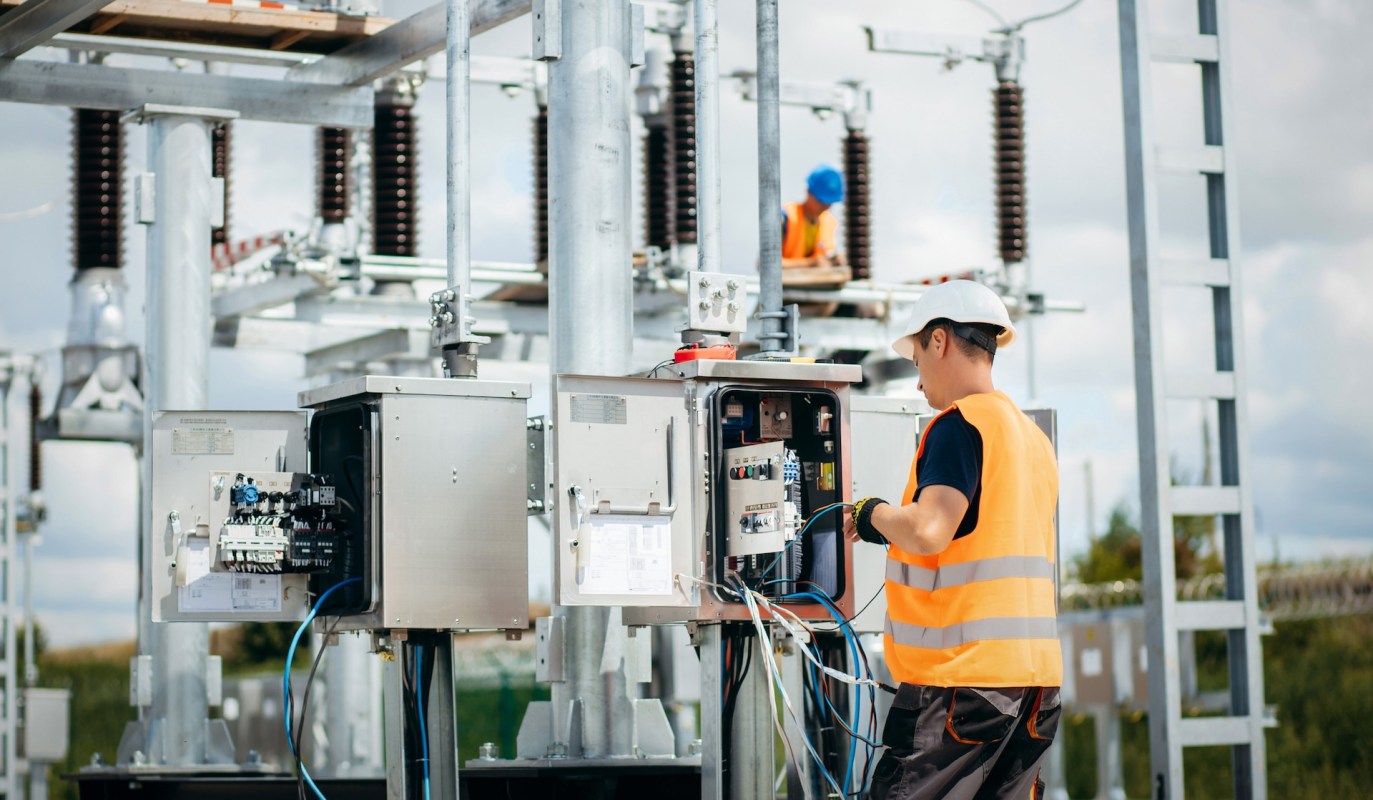
New Jersey's electric system is in the middle of a large modernization push, and PSE&G said the work is already producing measurable gains for customers.
According to the utility, circuits that have been upgraded under its multiyear infrastructure plan have experienced 22% fewer outage incidents.
Here's what to know
During an Aug. 28 news conference in Essex County, PSE&G released new reliability data and said its Infrastructure Advancement Program is designed to better handle harsher weather and increasing electricity use.
The company said it expects to spend $511 million between 2022 and 2026 to modernize its distribution network, Patch reported. The 22% decline was measured on circuits that had already been improved through the program.
PSE&G cited several other performance measures as well in a press release. Since 2023, it said, nearly 22,000 poles have been proactively replaced through July 2026, and the 20 circuits with the most pole replacements were 50% more reliable than their 2020-2024 average.
The utility also said 32 neighborhood circuits with overhead infrastructure upgrades became 37% more resilient and 31% more reliable.
TCD Picks » Quince Spotlight
💡These best-sellers from Quince deliver affordable, sustainable luxury for all




Since 2023, the company has finished six new high-capacity 13kV stations to relieve overloads, replace aging equipment, and add capacity for needs such as solar generation.
More background
One example PSE&G highlighted was its Livingston substation, which went into service in 2024. Using an existing 230kV transmission line, the facility gives western Essex County a stronger, more flexible power supply while reducing overload risk and leaving room for future demand.
PSE&G said it has spent about $30 billion on electric and gas projects, with nearly 75% of that total going toward reliability and resiliency.
That has included fortifying substations, updating transmission and distribution equipment, and modernizing technology statewide.
Other improvements cited by the utility include more than 1,500 smart switching devices to help crews locate problems and reroute power during outages, along with lifting 42 substations above Superstorm Sandy flood levels.
What's being done?
PSE&G's strategy centers on strengthening the grid before emergencies happen instead of only responding after storms hit.
That includes replacing vulnerable poles, upgrading circuits, building higher-capacity stations, and adding smart equipment that can isolate outages and keep more customers connected.
Greater air conditioning use during extreme heat, along with added power demand from homes, businesses, and solar integration, can put older systems under increasing pressure.
The company has also had to test those improvements under real-world conditions.
During the Independence Day weekend in July 2026, Patch reported severe heat and thunderstorms knocked out power for hundreds of thousands of New Jersey customers. PSE&G restored service for more than 380,000 customers who had suffered an outage, repaired or replaced nearly 700 utility poles, and cleared more than 1,500 trees to reach damaged equipment.
State Sen. John McKeon, whose district includes Livingston, Millburn, Montclair, Roseland, West Orange, and Clifton, touted the improvements to the outlet.
"As we witness stronger and more frequent severe weather events, strengthening our grid and investing in modern, resilient infrastructure is essential to protecting families, businesses, and communities across our state," he said.
Where can I learn more?
PSE&G's reliability claims land in the middle of a wider New Jersey debate over grid upgrades, blackout response, and who should shoulder the cost of rising electricity demand. Regulators, major infrastructure projects, and fast-growing power users are changing what customers can expect from the system.
• Across New Jersey, a billion-dollar grid update is adding capacity for residents and solar growth.
• Trenton scrutinized utilities after blackouts left 850,000 customers without power.
• New Jersey moved to lower power bills by targeting data centers and utility profits.
• State regulators ordered big data centers to cover grid costs instead of residents.
Outage numbers are only one piece of the grid story. The bigger picture includes who pays for upgrades, how regulators react when service fails, and what new infrastructure can actually deliver during extreme weather.

Get TCD's free newsletters for easy tips, smart advice, and a chance to earn $5,000 toward home upgrades. To see more stories like this one, change your Google preferences here.






