


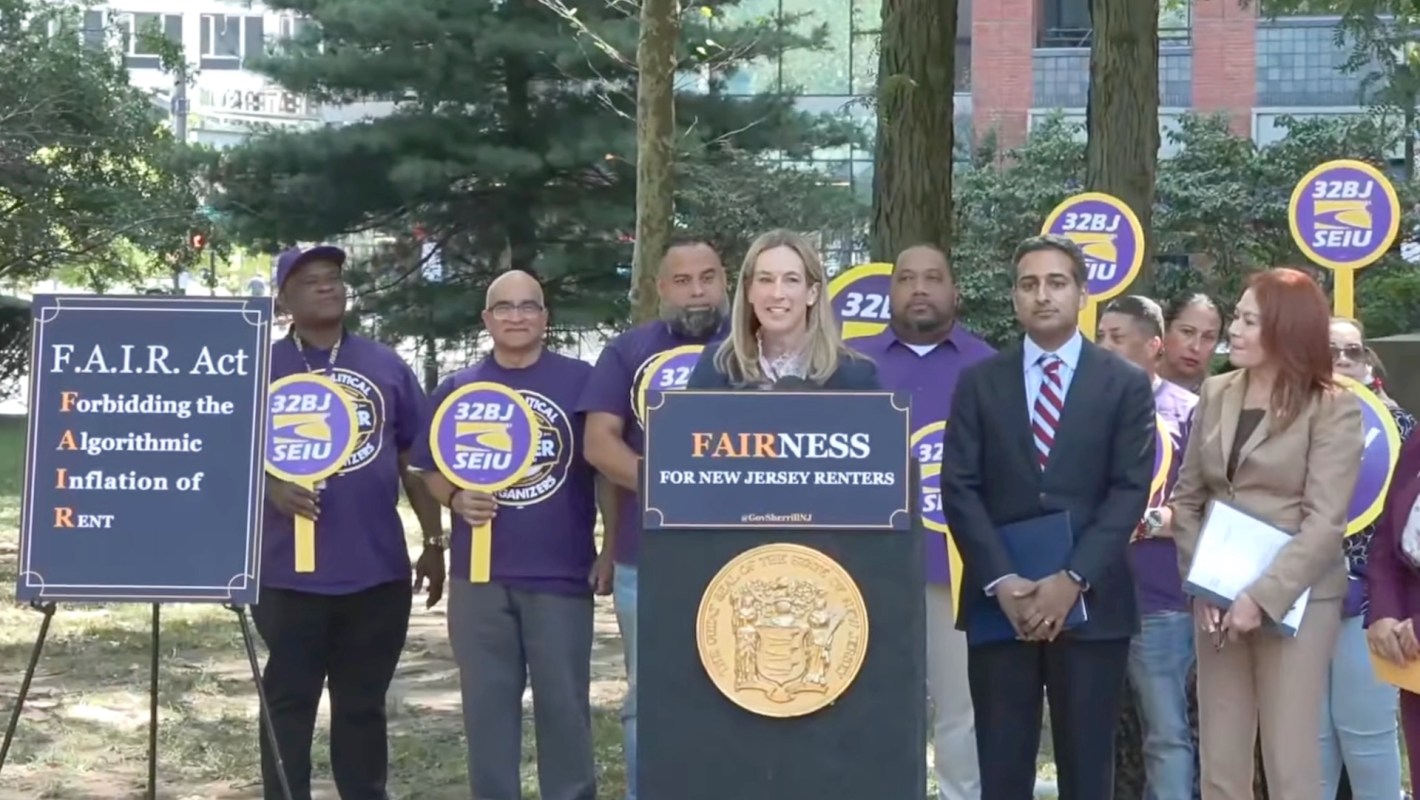
New Jersey has joined a small but growing list of states seeking to crack down on a troubling practice that can drive rents higher.
Gov. Mikie Sherrill signed a new law intended to stop landlords from using rent-setting algorithms to coordinate prices and occupancy levels, a step state leaders have said will help protect renters in an already costly housing market.
What happened?
On July 20, Sherrill signed the Forbidding the Algorithmic Inflation of Rent (FAIR) Act, making New Jersey the fourth state to adopt a law specifically aimed at prohibiting algorithm-based rent pricing, according to a press release published by Insider NJ.
At issue are software platforms that process market information and generate rent recommendations. Officials have said those systems do more than simply assist with pricing, instead allowing landlords to systematically move together on rents and occupancy in ways that weaken normal price competition and push tenant costs higher.
"Housing affordability is one of the defining challenges facing New Jersey, and we're using every tool available to bring costs down," Sherrill said in the announcement. She added that landlords "are instead colluding to drive prices up through so called 'algorithmic pricing.'"
Supporters in state government also praised the measure. Attorney General Jennifer Davenport called it "a much-needed systemic solution," while Senate Majority Leader M. Teresa Ruiz said some renters have been found to pay "hundreds of dollars more each year because of artificial price markups."
TCD Picks » Quince Spotlight
💡These best-sellers from Quince deliver affordable, sustainable luxury for all




Why does it matter?
The concern is that when prices are pushed up artificially, it becomes even harder for people to remain in the neighborhoods where they work, raise families, and build community.
New Jersey lawmakers cast the FAIR Act as part of an affordability fight at a time when many households are already grappling with high costs for food, fuel, child care, and housing. If rent-setting software allows landlords to mirror one another's pricing, tenants have a reduced ability to shop around for a better deal.
National scrutiny of algorithmic pricing has been rising as housing advocates, economists, and antitrust enforcement agencies examine whether the tools are facilitating coordinated rent increases. Sen. Brian Stack said these systems are being used by "large corporations making money hand over fist and forcing people out of their communities."
What's being done?
The FAIR Act is one piece of New Jersey's broader affordability agenda. State officials said the effort also includes increasing housing production, expanding affordable housing opportunities, and encouraging transit-oriented development.
The measure also creates clearer paths for tenants who believe pricing practices may be unlawful. Ana Maria Hill, 32BJ SEIU vice president and New Jersey State Director, said it "empowers renters to help identify and challenge unlawful practices through clear avenues for reporting violations and seeking relief."
Housing groups welcomed the move as a step toward a fairer market. Kate Kelly, executive director of the Supportive Housing Association of New Jersey, said policies that protect renters from unfair practices help more people "access and maintain homes where they can live independently and be part of the community."
"Housing is not a luxury; it's a necessity," Stack said, while Hill called the FAIR Act "an important step toward making housing more affordable for families."

Get TCD's free newsletters for easy tips, smart advice, and a chance to earn $5,000 toward home upgrades. To see more stories like this one, change your Google preferences here.






