


New Hampshire homeowner Kevin Riley was facing monthly electric costs of more than $200, highlighting how hard rising utility bills can hit people living on fixed incomes.
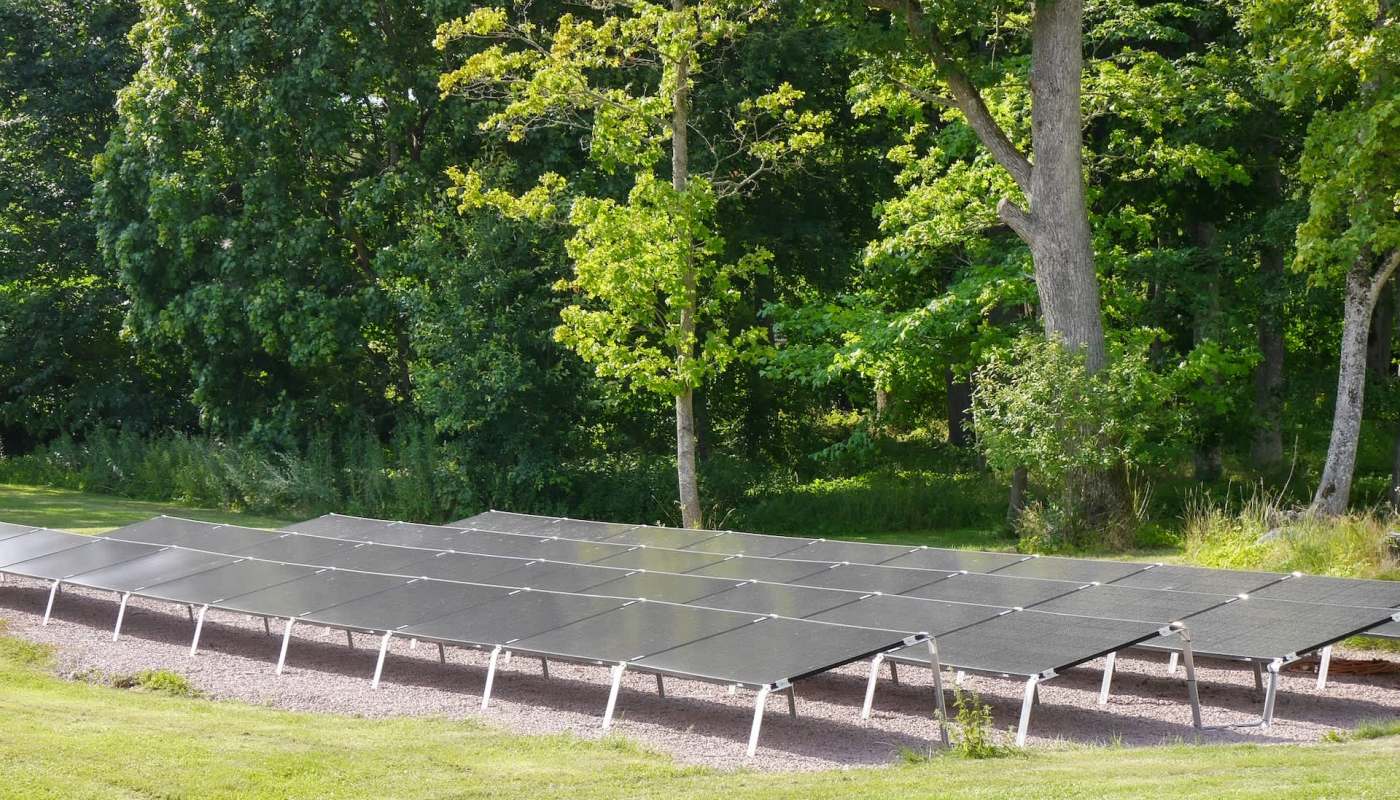
However, he cut his bills drastically by installing a five-kilowatt solar system. Two years later, he told the Concord Monitor that the system has already paid for itself.
What happened?
Riley shared that energy bills at his Sanbornton home were increasingly unsustainable. To pay them, he had begun using money from his 401(k). But after using $23,000 from his savings to buy a solar system, he got his bills down to $4 each month.
"For older folks, it's huge," Riley said of rising energy costs. "We're all on fixed incomes. And you get colder and you get hotter, so you use more electricity, use more things to stay comfortable."
To help residents manage those pressures, New Hampshire also added $6 million in assistance benefits this year. Eligible households can receive year-round electric bill discounts of 5% to 86% through the state's Electric Assistance Program, based on income and household size, while the Fuel Assistance Program offers seasonal heating aid with a typical benefit of $1,045.
That support is likely to be a godsend in a state with the highest electricity rates nationwide, according to the Concord Monitor. On Aug. 1, approved rate changes will take effect and are expected to raise monthly electricity bills by about $6 to $18, per NHPR.
TCD Picks » Quince Spotlight
💡These best-sellers from Quince deliver affordable, sustainable luxury for all




Why does it matter?
Many households are dealing with rising energy costs while cleaner energy solutions remain financially out of reach. The burden falls especially hard on older adults and low-income families.
Sarah Kelly, who leads Dartmouth College's Energy Justice Clinic, described the limits of current support plainly to the Concord Monitor: "It's critical, but it's not enough."
She said aid programs are meant to respond to emergencies, not fully shield families already stretched by housing, food, and transportation costs.
Mary Congoran, who runs the Contoocook Carry Community Fund, said some residents turn to risky stopgap measures, including using diesel or opening oven doors for heat, particularly during the winter months. Those choices can contribute to serious health concerns.
What's being done?
New Hampshire has several forms of support available.
Community action agencies help distribute fuel aid, and applications have already opened for priority groups, including older residents, families with children younger than 6, and households that have already had a heating emergency. Emergency applications are also being accepted.
Michael Tabory, the Community Action Program's chief operating officer, urged residents not to assume they earn too much to qualify.
"People should apply because there is a possibility they're eligible even if they don't think they are," he told the Concord Monitor.
Federal rebate money could eventually expand those options. New Hampshire received more than $34 million through the Inflation Reduction Act for the Home Electrification and Appliance Rebates Program and the Home Efficiency Rebates Program, which are intended to help residents pay for efficient appliances and other home upgrades. Delays have slowed access.
For Riley, that holdup has been discouraging, though he said he still hopes future incentives will make solar and other energy-saving technology more realistic for more households.
"It's very frustrating," said Riley, who would like to upgrade to energy-efficient appliances. "It doesn't seem like there's a joint effort by anybody to sort of move these programs forward and use them in a prudent and an insightful way."
"Everybody deserves to have a safe place to live — clean, dry — and food to eat and good medical care. It's a right. It's not a privilege," he concluded.

Get TCD's free newsletters for easy tips, smart advice, and a chance to earn $5,000 toward home upgrades. To see more stories like this one, change your Google preferences here.






