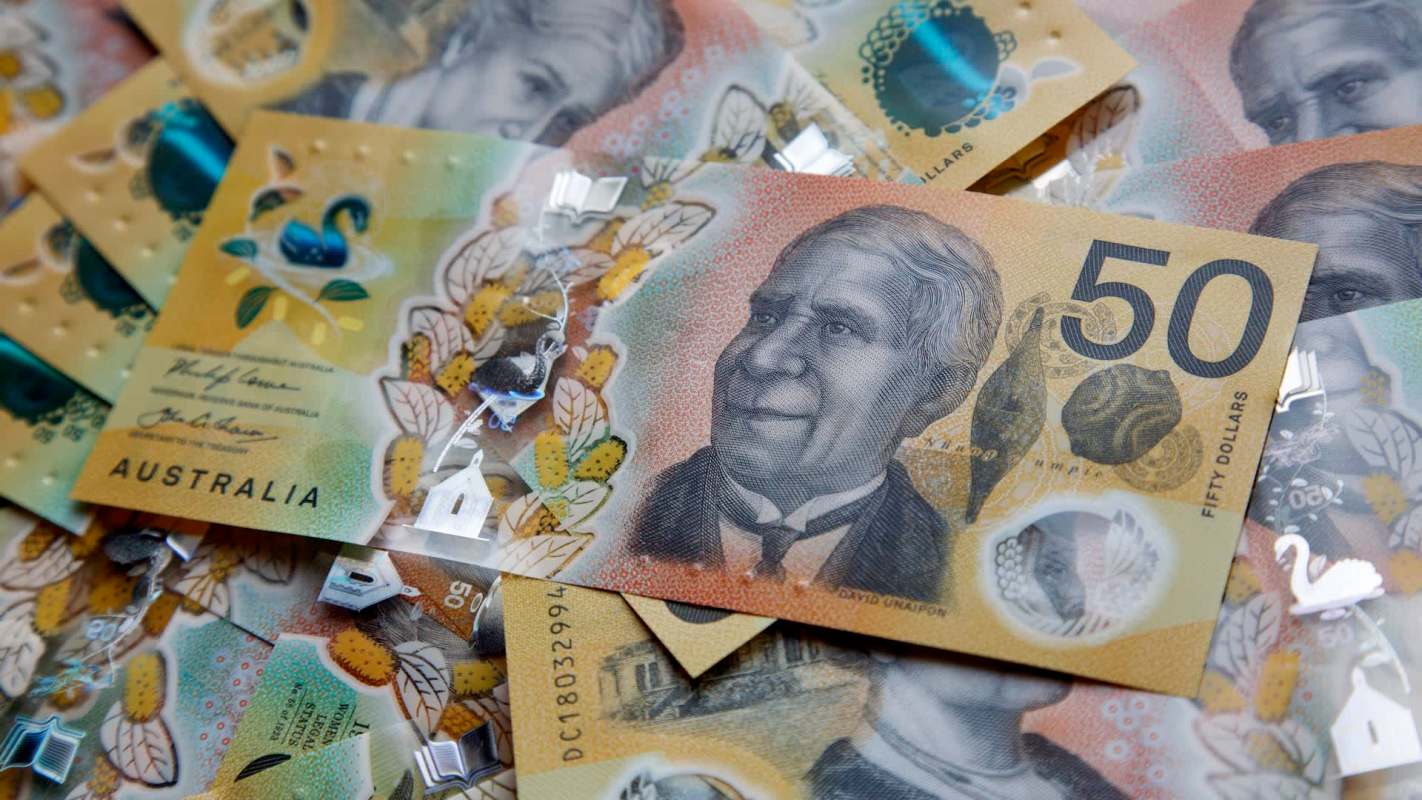
Many Australian households are facing growing strain even as the nation's richest people keep amassing wealth, according to a new analysis that has renewed focus on Australia's expanding inequality.
According to the Guardian, Oxfam Australia's examination of the 2026 Australian Financial Review Rich List found that billionaire fortunes grew by $25.67 billion ($17.9 billion USD) in the past year, equal to almost $50,000 ($35,000 USD) every minute.
What's happening?
Oxfam says the combined wealth of Australia's billionaires now exceeds $686 billion ($480 billion USD), while the number of billionaires has reached a record 178, 17 more than last year.
The analysis also found that the 20 richest people in Australia together hold more wealth than the bottom 3 million households.
Among the latest additions to the list are people whose money comes from artificial intelligence and data centers, along with others who built fortunes in long-established industries such as property development, mining, and technology.
Oxfam Australia chief executive Jennifer Tierney said the figures show that top-end fortunes are continuing to rise even as day-to-day costs leave many families under pressure.
TCD Picks » Good Store Spotlight
Get 10% off your next purchase with code TCD10




Why does it matter?
That growth at the top is happening while 3,706,000 people in Australia live in poverty, including 757,000 children under 15. Oxfam also said that roughly 1 in 3 households dealt with food insecurity last year.
"There is something fundamentally wrong with a system where extreme wealth keeps skyrocketing while so many people are struggling to afford the basics, and governments claim there is not enough money for housing, health care, climate action, and essential services," Tierney said.
Oxfam reported that the billionaire wealth added in just one year could either lift almost a million people out of poverty or cover electricity bills for all Australian households for well beyond a year.
What's being done?
While Tierney said recent budget measures offered some relief for households and began shifting tax settings that Oxfam has criticized, she argued they still do not match the scale of the problem.
She cited changes to capital gains tax and negative gearing as an initial step, but said deeper structural reform would be needed if Australia is to reduce the gap between rising fortunes and increasing hardship.
How tax policy is set affects what governments can fund, including affordable housing, health care, climate action, and help for struggling communities in Australia and overseas.
"While modest, reforms to capital gains tax and negative gearing are important steps towards a fairer tax system," Tierney said. But she warned that, "Without structural reform to the tax system, that divide will only deepen."

Get TCD's free newsletters for easy tips, smart advice, and a chance to earn $5,000 toward home upgrades. To see more stories like this one, change your Google preferences here.