


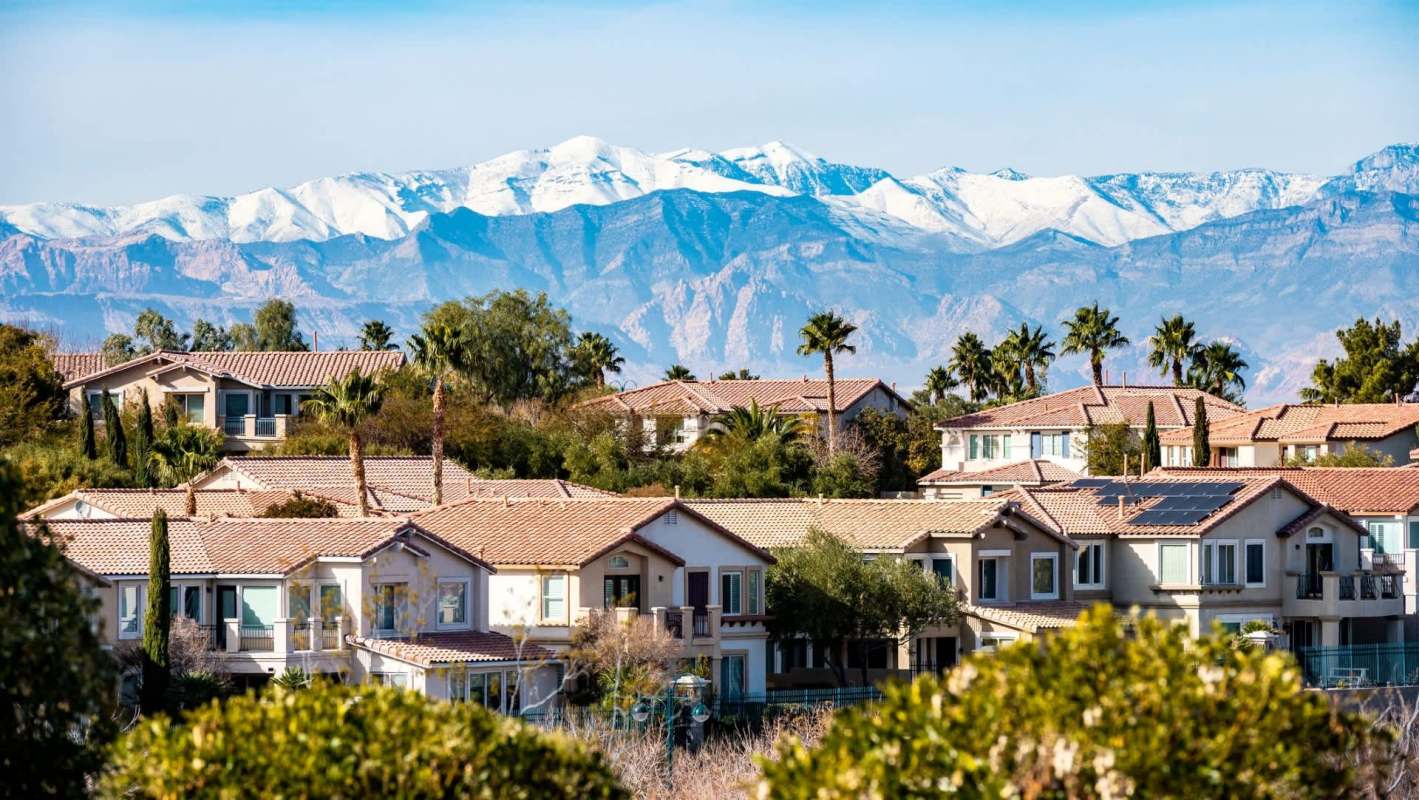
Some Nevada homeowners are running into a problem that sounds more like a California crisis: Insurance companies are refusing to cover them for wildfire risk in parts of urban Las Vegas.
The result is a growing sense that broad-brush risk modeling — and the business decisions built on it — may be leaving ordinary people to pay the price for fires happening somewhere else.
What's happening?
A June 17 presentation from the Nevada Division of Insurance showed state lawmakers that Clark County is seeing an unusually high number of wildfire-related insurance pullbacks. As the Las Vegas Review-Journal reported, the county ranked second in Nevada for homeowners' cancellations and nonrenewals tied to wildfire risk.
In raw numbers, Nevada Division of Insurance Commissioner Ned Gaines said 357 Clark County homeowners lost coverage through cancellation or nonrenewal in 2024, out of 772,861 policyholders. The county also placed second in applications rejected for wildfire reasons, with 2,770 denials among 650,227 applications — about 0.4%.
Over a three-year span, those denials in Clark County jumped 2,015%. Gaines said, "What we are finding in some of these ZIP codes is that they're rating them as very high wildfire risk, which doesn't seem to match the conditions on the ground."
Why does it matter?
For many people, homeowners insurance is required by mortgage lenders and protects what is often their largest financial asset.
TCD Picks » Quince Spotlight
💡These best-sellers from Quince deliver affordable, sustainable luxury for all




When insurers rely on regional wildfire assumptions that may not reflect neighborhood-level reality, families can end up facing denials, canceled policies, or nonrenewals even in heavily developed urban areas. That can mean higher premiums, rushed efforts to secure replacement coverage, or serious stress during a home purchase.
State Sen. John C. Steinbeck, R-Las Vegas, who previously served as chief of the Clark County Fire Department, said the trend is "very concerning." He added, "We don't lose homes here in the urban Las Vegas area due to wildfires."
Under current Nevada law, homeowners insurers have 90 days to inspect a property and decide whether to cancel the policy. Gaines said some companies wait until policyholders have already paid for one or two months of coverage before doing that inspection, shifting the uncertainty and cost to consumers.
What's being done?
Lawmakers are now considering whether those rules need to change. One proposal would shorten that inspection window. Assemblywoman Elaine Marzola, D-Clark County, wants to cut it from 90 days to 30 days, which could reduce the chance that homeowners pay premiums for weeks before being dropped.
As Marzola put it, "What I don't want is for Nevadans to keep paying their premium for 60 days, and then the 90 days hit, they do the inspection, and bam, they're canceled."
The Division of Insurance is also highlighting the ZIP-code breakdown, which could give lawmakers and regulators a clearer way to examine whether some insurers' wildfire ratings in parts of Southern Nevada line up with actual conditions on the ground. For policymakers, the core issue is whether wildfire-risk scoring is overstating the threat in urban Las Vegas neighborhoods.

Get TCD's free newsletters for easy tips, smart advice, and a chance to earn $5,000 toward home upgrades. To see more stories like this one, change your Google preferences here.






