


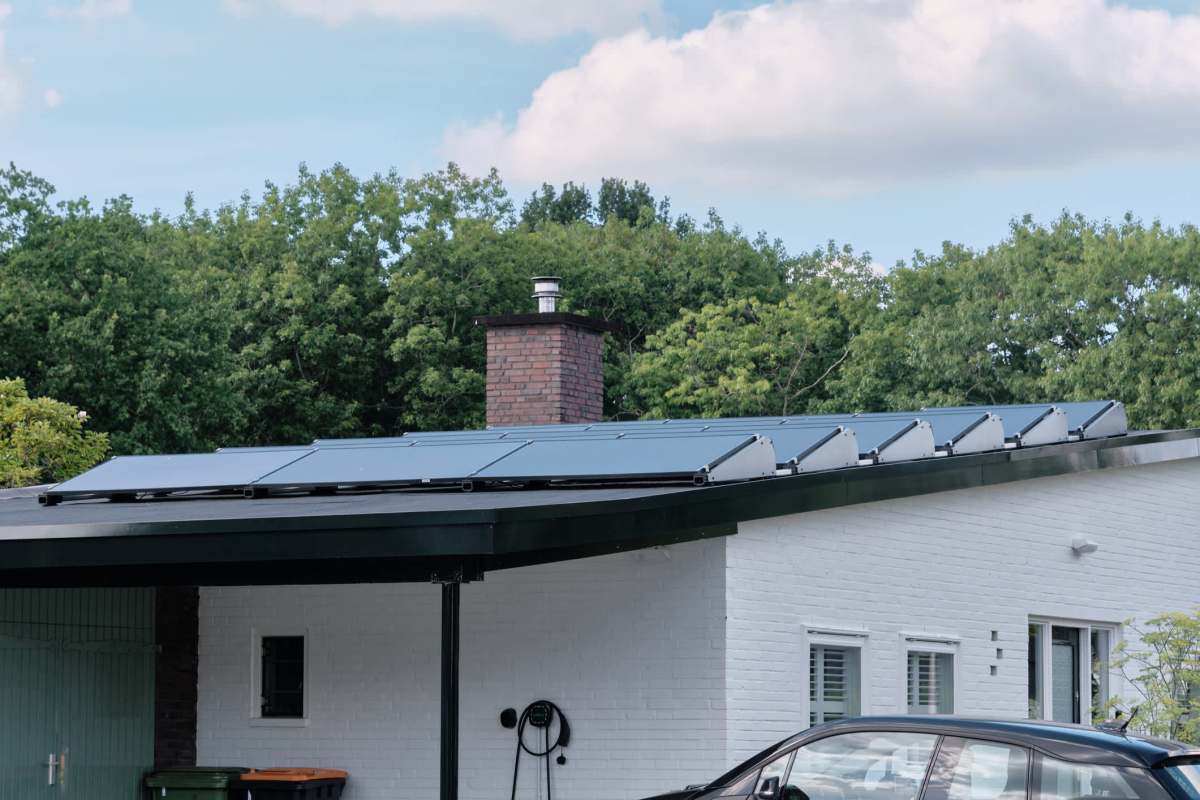
NV Energy plans to tie part of residential electric bills to each home's single highest 15-minute burst of daily power use. The utility describes the change as a billing redesign rather than a rate increase, but some Nevada households — especially people who installed rooftop solar to cut energy costs — could face higher or less predictable monthly bills.
The proposal has drawn backlash from consumer advocates and clean energy groups, who say it effectively penalizes customers for using electricity during the "wrong" 15-minute window.
What's happening?
According to Las Vegas Weekly, NV Energy intends to introduce the daily demand charge in January 2027. The fee would be determined by the 15-minute period each day when a customer's electricity use is at its highest, while other parts of the bill, including the basic service charge, would be lowered to offset the new line item.
NV Energy says most residential customers would probably see little difference in what they pay, and some might even average a slight decrease depending on their usage patterns. The company has projected a different outcome for households with rooftop solar, estimating their monthly bills could rise by $12 to $20 under the proposed system.
Those solar customers also would not be able to apply net-metering credits from excess power they send back to the grid toward the demand charge. So if a home's biggest spike in electricity use comes at a time when its panels are not generating power — such as after sunset — that 15-minute peak could still be fully counted against the customer.
The issue carries particular weight in Nevada, which ranks seventh in the country for total installed solar capacity, according to the Solar Energy Industries Association. Las Vegas Weekly reported that the office of Nevada Attorney General Aaron Ford and Vote Solar estimate that about 10% of Southern Nevada homeowners have rooftop solar.
TCD Picks » Quince Spotlight
💡These best-sellers from Quince deliver affordable, sustainable luxury for all




Why does it matter?
For many customers, the main concern may be unpredictability. Brad Heusinkveld, Vote Solar's Interior West regulatory director, said, "It's hard for customers to adopt, understand and manage."
He also warned that even if average rates do not rise across the board, families could still face larger month-to-month swings depending on when they run appliances and air conditioning. That kind of volatility can be especially hard on people with fixed incomes and low-income households already struggling to budget around high utility bills.
Critics have also argued that the policy weakens one of the main incentives for installing rooftop solar in the first place: reducing energy costs. If home solar systems no longer deliver the same level of savings, fewer households may feel comfortable making the investment, even though customer-owned solar can help ease pressure on the grid.
Nevada Attorney General Aaron Ford has also challenged the policy on legal grounds, saying, "It undermines Nevada's clean energy future, and it violates a state law that has been on the books since 2013."
What's being done?
Ford's Bureau of Consumer Protection and renewable energy groups, including Vote Solar and Earthjustice, have challenged the demand charge in court. Although those cases were dismissed in late May, the disputes are now being appealed to the Nevada Supreme Court.
Other solar advocates have said the charge does not even address the issue NV Energy claims it is trying to solve. Julia Hubbard, Nevada director for Solar United Neighbors, said, "One of our critiques of this charge is it doesn't actually coincide with when the grid is most strained, which again is that 5 p.m. to 9 p.m. period."

Get TCD's free newsletters for easy tips, smart advice, and a chance to earn $5,000 toward home upgrades. To see more stories like this one, change your Google preferences here.






