


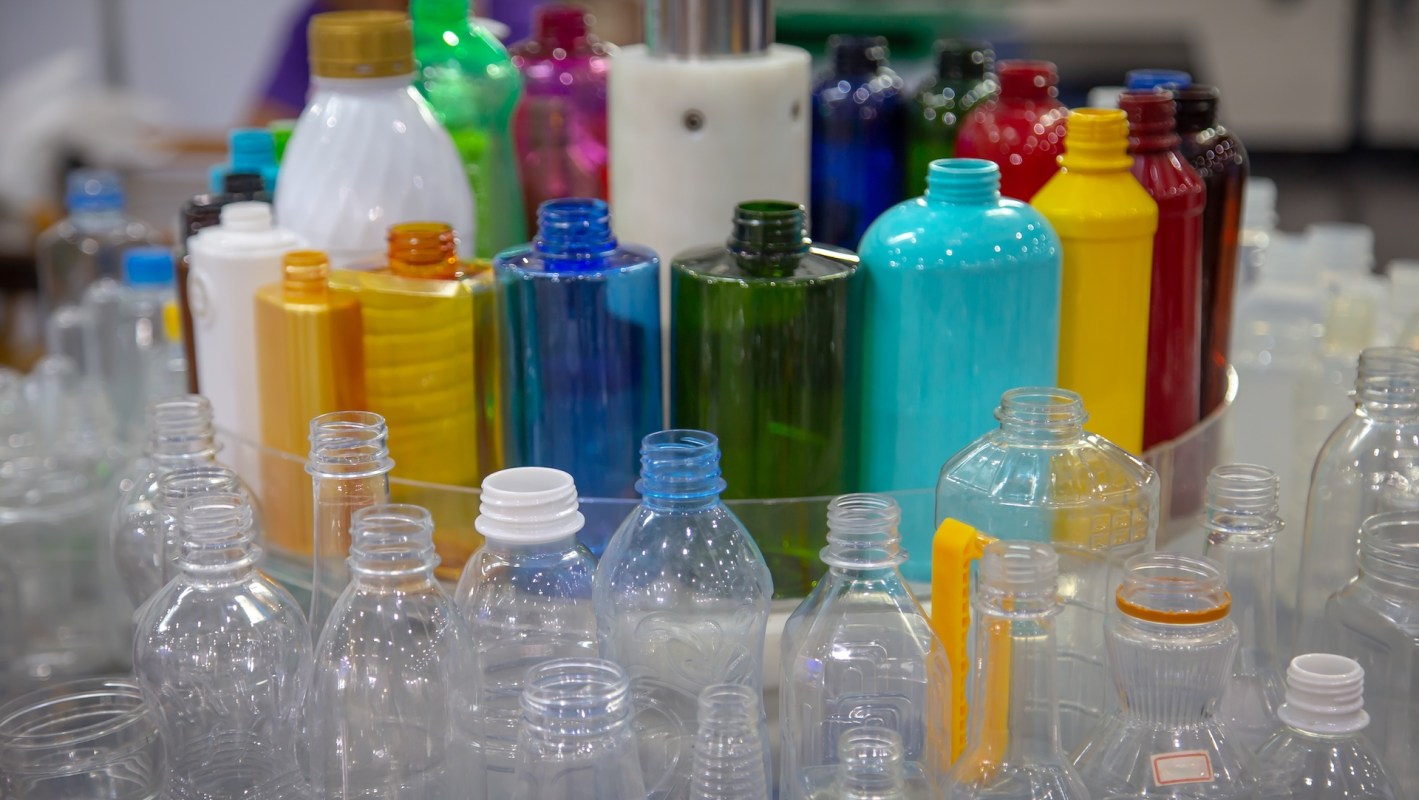
Nebraska is leading a coalition challenging California's attempt to curb plastic consumption. The dispute could set a precedent for how much responsibility companies ultimately bear for waste that ends up in recycling bins, landfills, and waterways.
What happened?
On Monday, 17 states and the National Association of Wholesaler-Distributors filed a federal lawsuit seeking to block California's Plastic Pollution Prevention and Packaging Producer Responsibility statute, according to The Washington Times.
California adopted the measure in 2022 with the goal of gradually cutting single-use plastics and requiring packaging sold in the state to be recyclable or compostable.
The lawsuit alleges that California is enacting "onerous mandates" beyond its borders that will cause the price of essentials to rise, The Washington Times reported.
"Once again, California is trying to enact a policy that negatively impacts the rest of the country. If California goes unchecked, consumers will be forced to pay more for basic necessities. Nebraska is continuing to fight for consumers against California's overreach," Nebraska Attorney General Mike Hilgers said in a press release.
The National Association of Wholesaler-Distributors and the attorneys general of Alabama, Florida, Georgia, Idaho, Indiana, Iowa, Louisiana, Missouri, Montana, North Dakota, Oklahoma, South Carolina, South Dakota, Texas, Utah, and West Virginia have also signed on to the suit.
TCD Picks » Quince Spotlight
💡These best-sellers from Quince deliver affordable, sustainable luxury for all




Why does it matter?
Plastic packaging is nearly unavoidable in daily life, from food containers and shipping materials to household products and other essentials.
When rules aimed at reducing that waste are delayed or weakened, communities can continue to bear the consequences through litter, rising cleanup costs, and more pollution in neighborhoods and local waterways.
California officials have argued that the law would shift some of that burden away from taxpayers and local governments and onto the companies producing the waste, including by reducing the amount of hard-to-recycle plastic entering the waste stream in the first place.
"New packaging reforms lower waste costs for communities and decrease garbage and pollution across the state," Environmental Protection Secretary Yana Garcia said in May, according to The Washington Times.
What's being done?
Melanie Turner, a spokesperson for CalRecycle, said in an emailed statement to The Washington Times that the agency does not discuss pending litigation.
For now, California will continue to carry out the law. Advocacy groups like Circular Action Alliance are also focused on achieving the plastic legislation's "ambitious goals."
As it stands, environmental groups, including the Natural Resources Defense Council, have challenged what they already view as a watered-down version of the plastic packaging law.

Get TCD's free newsletters for easy tips, smart advice, and a chance to earn $5,000 toward home upgrades. To see more stories like this one, change your Google preferences here.






