


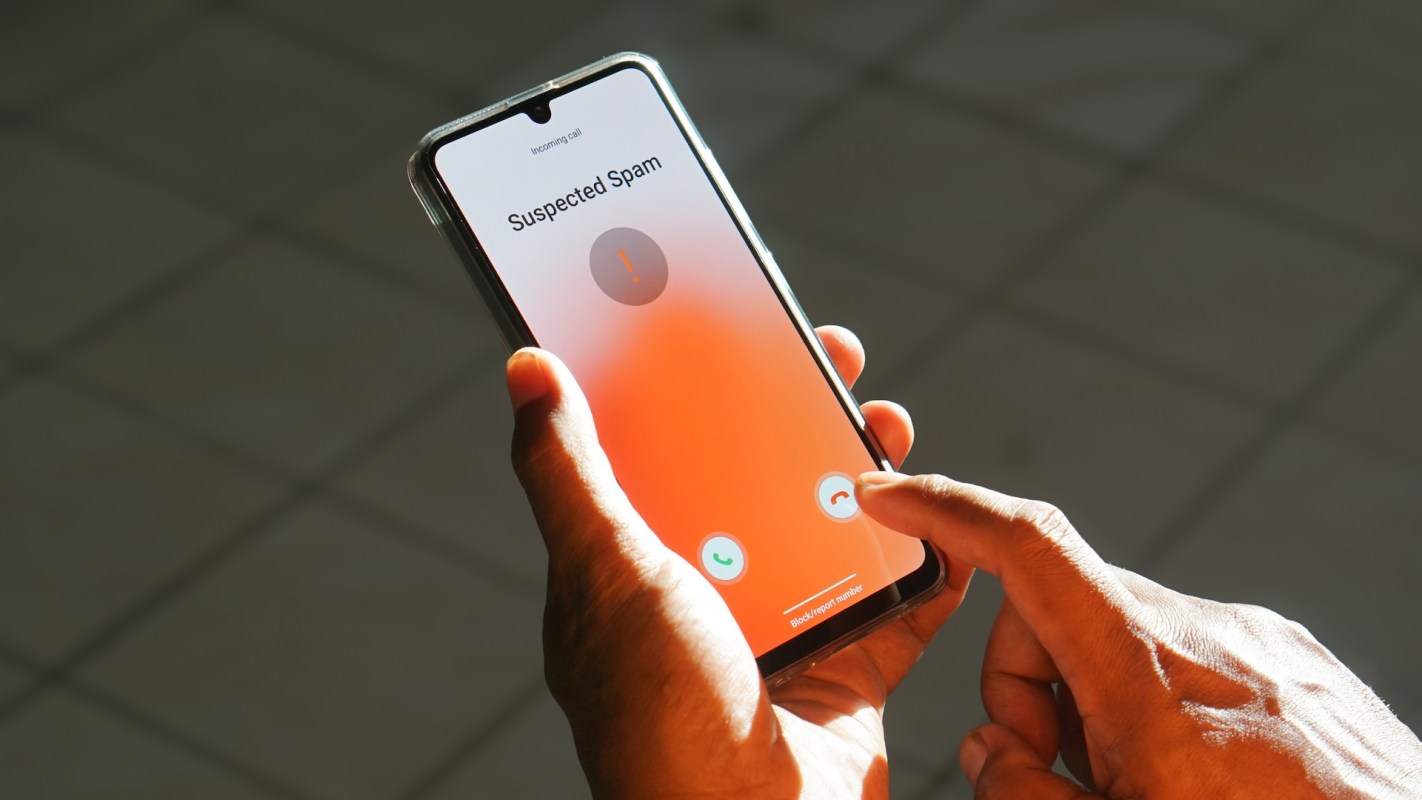
Callers claiming to represent National Grid are threatening service shutoffs to pressure customers into paying immediately, citing a supposed utility merger. The scam has quickly moved throughout the Greater Boston area.
Here's what to know
According to Patch, reports have come from Reading, Wilmington, Lynnfield, and North Reading since the scam first surfaced in Danvers.
The calls target municipal utility customers. National Grid has issued a warning to households and businesses throughout its service area.
The outlet said the callers often pressure customers to pay during an unsolicited call by claiming their account is overdue and threatening a service cutoff. They falsely present themselves as National Grid representatives seeking payment tied to a pending "merger."
More background
A company spokesperson told Patch that calls often appear to come from the utility because the scammers use "spoofed" phone numbers.
Even a familiar number on caller ID is not enough to confirm that the caller represents the company. Scammers can often dupe customers by creating a false sense of urgency, which is the tactic here.
TCD Picks » Quince Spotlight
💡These best-sellers from Quince deliver affordable, sustainable luxury for all




A phony merger is the sort of pretense that can lure unsuspecting customers into thinking their past payments might not have gotten executed. The fear of having service stopped can be enough to compel customers to skip looking into the issue and fall for the scammers' ruse.
What can be done?
The utility clarified the type of communication it would and would not have with customers over the phone.
"National Grid reminds customers that while the company may contact customers regarding their accounts or service, it will never demand immediate payment through prepaid cards, gift cards, wire transfers, cryptocurrency, or third-party payment apps," the spokesperson told Patch.
National Grid identified other red flags that customers can look for from scammers outside of demands for payment. The outlet noted that callers who can't verify account details, threaten ending service without previous written warning, and ask for personal information are often scammers.
Customers should use the number on their bill to call National Grid and check any suspicious communication. They should not share financial or personal details with unexpected callers, the company also advised.
"If you suspect a scam, hang up immediately and report the incident to National Grid or local law enforcement," the spokesperson told Patch.
That can help get the word out to other communities.
Where can I learn more?
Utility impostors may demand payment or ask for account information. They can then use that information to extract payment or issue phony bills.
• In Massachusetts, a fake National Grid representative asks residents for utility bills, prompting warnings.
• In Pennsylvania, Middletown Borough warns of fake electric calls demanding gift cards and cryptocurrency.
• An Illinois woman shared utility account details, then was billed by an unchosen supplier.
• A caller posing as a carrier offered 40% off and knew the customer's bill.

Get TCD's free newsletters for easy tips, smart advice, and a chance to earn $5,000 toward home upgrades. To see more stories like this one, change your Google preferences here.






