


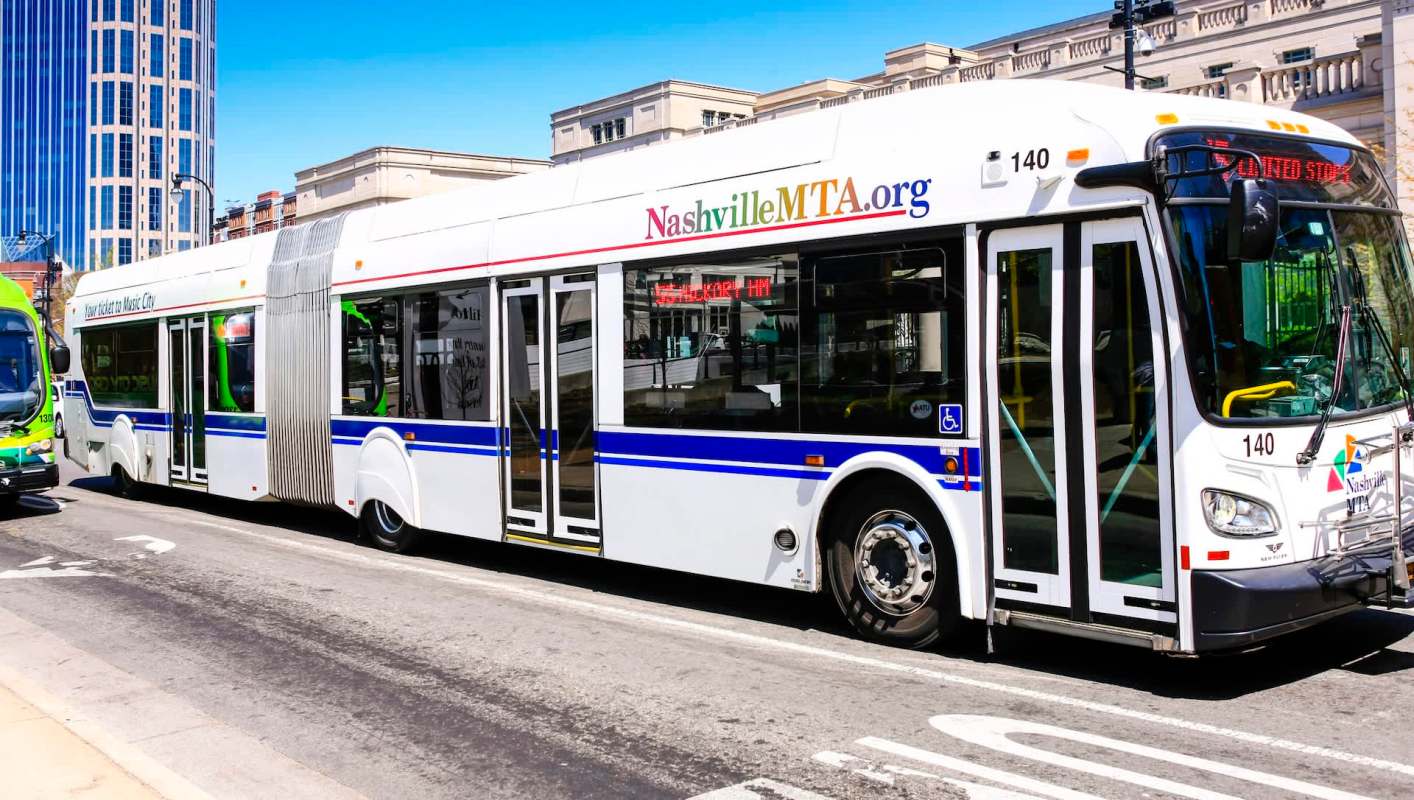
For people who don't drive, the difference between a usable city and an isolating one can come down to something as simple as a sidewalk, a bus shelter, or whether the next bus arrives in 12 minutes instead of 40 — a point made in a TikTok video praising the city's visible transit upgrades and arguing that better transit is how cities stop forcing residents into car ownership.
Here's what to know
In a TikTok video, Don (@oopsiez) celebrated visible transit upgrades in Nashville while making a broader point about fairness. "NO ONE should have to own a car to participate in society," they wrote in the caption.
In the video, Don says, "Nashville. I'm actually so proud of you. They're building new sidewalks and new bus stops everywhere. I even saw digital signage down the street. And this bus comes every 10 to 20 minutes. That's how you end car dependency."
Commenters quickly spoke up about their own experiences. One wrote, "Buses in my city are 35 mins apart — I dread it —10-20 mins would be so much better."
More background
When it comes to bus routes, frequency matters. A bus route people can count on every 10 to 20 minutes feels fundamentally different from one that runs so infrequently that missing it can disrupt an entire day.
In many communities, driving or not driving is seen as an individual choice rather than a policy issue. But when transit is unreliable, sidewalks are missing, and bus stops are uncomfortable or unsafe, people are pushed toward car ownership.
TCD Picks » Quince Spotlight
💡These best-sellers from Quince deliver affordable, sustainable luxury for all




Commenters on the post pointed out that cycle. One wrote, "My area does this … where they refuse to expand public transport because of low usage but when I ask people why they don't use it, it's because it's not efficient enough. Like hey so maybe you'll get higher usage if you make it more accessible and reliable!"
Even in Nashville, the praise came with caveats. Another commenter noted, "Killed that light rail project though."
What's being done?
Rather than spotlighting a major rail expansion, the video points to smaller changes that affect everyday trips.
These changes can lower household transportation costs, reduce traffic pressure, and cut pollution by making it easier for people to leave their cars at home when they have a real alternative. They can also offer greater independence to teenagers, older adults, and people who cannot or do not want to drive.
Commenters seem to like tangible proof of public investment on the street.
At the same time, based on the comments, many people want cities to go further. Better shelters, more reliable service, and broader networks help make a transport system dependable.
Where can I learn more?
These articles look at the kinds of upgrades that can make transit easier to use day-to-day. They echo the point behind the Nashville post: people notice when public investment makes getting around without a car more realistic.
• In British Columbia, new buses are improving service in growing communities.
• In Brisbane, Australia's new EV bus system adds high-capacity vehicles.
• School districts and transit agencies can use electric buses to stretch budgets further.
Cleaner buses make for a better experience. The bigger question is whether those investments make transit frequent, comfortable, and dependable enough to be a real option for daily life.

Get TCD's free newsletters for easy tips, smart advice, and a chance to earn $5,000 toward home upgrades. To see more stories like this one, change your Google preferences here.






