


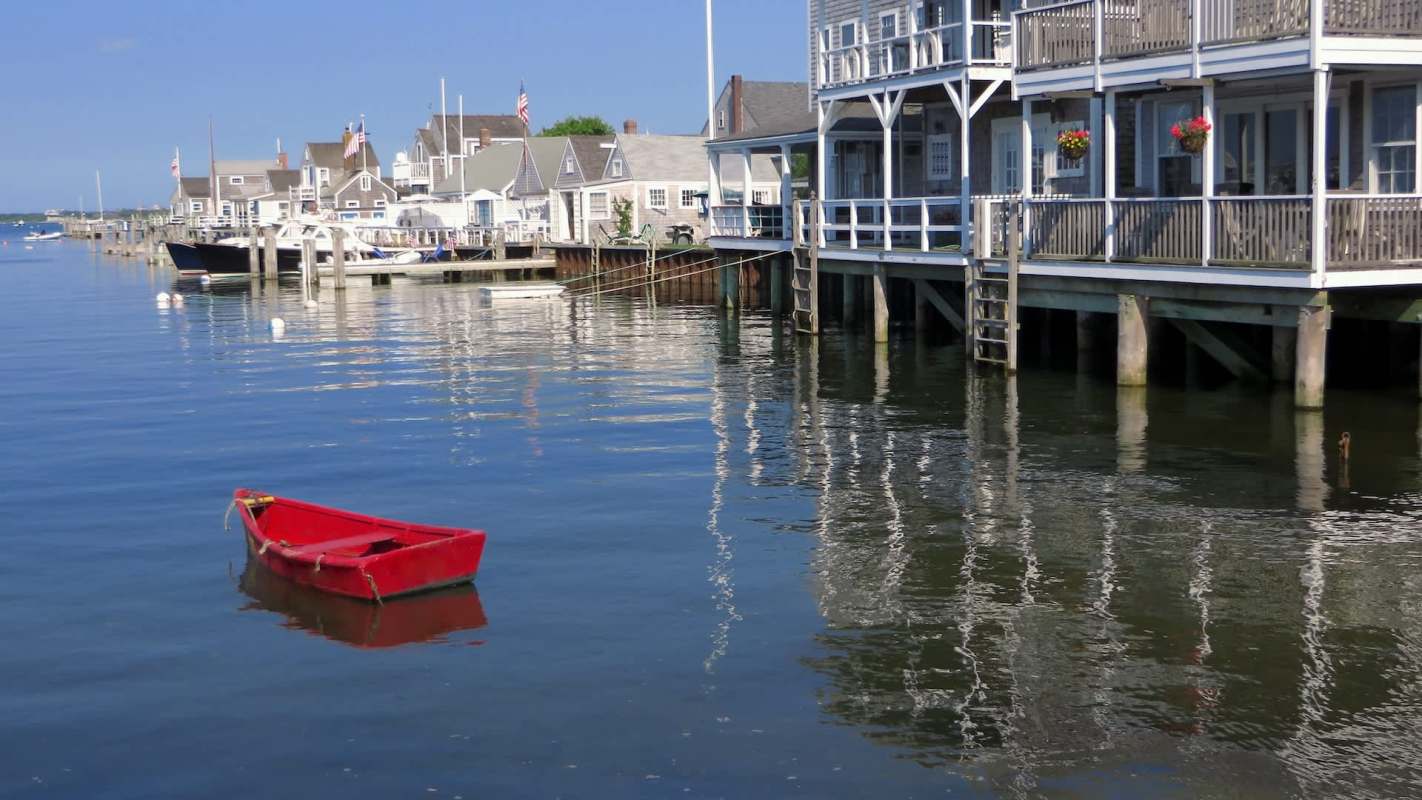
Nantucket is arming itself in a battle against Mother Nature — but the clock is ticking.
The Massachusetts island is no stranger to climate disruptions, from winter storms to flooded roads that turn streets into waterways. But now, the stakes are rising — literally. A recent evaluation estimates that sea-level rise could cause $3.4 billion in damages to Nantucket by 2070, according to Inside Climate News.
What's happening?
An island-wide risk assessment identified four major threats: coastal flooding, coastal erosion, high-tide flooding, and rising groundwater. The evaluation found that over 2,000 buildings — including homes, roads, and historical landmarks — could be impacted in the coming decades.
In response, Nantucket released a 270-page coastal resilience plan in 2021, per ICN. Its key strategies — protect, adapt, and retreat — outline how to shield infrastructure, raise buildings, and, in some cases, move away from the most vulnerable areas.
"Depending on which critical infrastructure is at risk depends on which strategy is recommended," coastal resilience advisory coordinator Leah Hill stated, per Coastal Care.
However, while the plan appears straightforward, it faces numerous challenges.
TCD Picks » Quince Spotlight
💡These best-sellers from Quince deliver affordable, sustainable luxury for all




"It's not like we create the coastal resilience plan and then we follow it, and we're done," Dr. Sarah Bois, director of research and education for the nonprofit Linda Loring Nature Foundation, cautioned, per ICN. "It's because the change is continuous, and we can't anticipate all the different ways that the community is going to be impacted."
Why is the island's flooding concerning?
Nantucket's situation is unique, but it's part of a much bigger picture. As we burn more dirty energy sources, such as coal and gas, the planet warms, leading to higher sea levels. When ice melts and oceans expand, coastal communities everywhere start to feel the pressure.
Sea-level rise may sound like a slow-moving issue, but its effects can accumulate quickly. Saltwater creeping into freshwater systems and farmland, roads that flood more often, and higher repair costs after every storm — it all takes a toll. And while extreme weather has always existed, rising global temperatures are intensifying those events, especially in places already on the edge.
What's being done about island flooding?
Nantucket's resilience plan is already shaping real changes — from flood barriers to raised roads and smarter development choices.
|
Do you think your house could withstand a hurricane? Click your choice to see results and speak your mind. |
 No way 😨
 On a personal level, reducing reliance on dirty energy helps, whether that involves using cleaner transportation, upgrading appliances, or supporting climate-friendly policies.
One practical way to do that, while also preparing for weather impacts, is by going solar. Installing panels with battery storage can keep the lights on during flood-related outages, and EnergySage makes it easy to compare quotes and save up to $10,000.

Join our free newsletter for good news and useful tips, and don't miss this cool list of easy ways to help yourself while helping the planet.






