


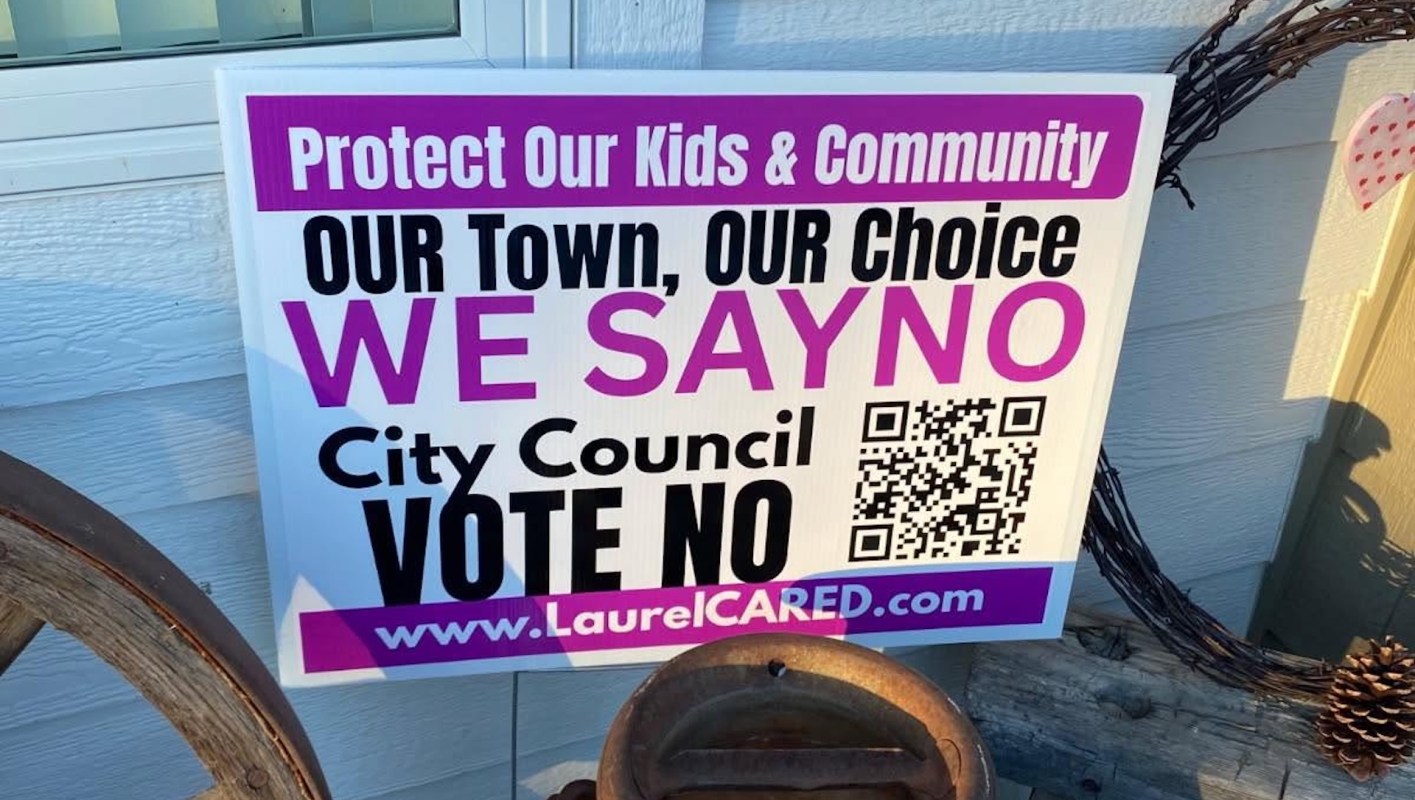
Questions about water service have temporarily stalled plans for a state forensic mental health center near Laurel, the Montana Free Press reported.
Here's what to know
A local residents' group secured an early court win that halts construction and requires a closer look at whether the area can meet the project's water demand.
Yellowstone County District Court Judge Ed Zink issued a preliminary injunction in the lawsuit filed by Laurel CARED, which stands for Community Advocates for Responsible Economic Development.
The order puts work on the proposed 32-bed psychiatric facility on hold while the case moves forward; the center is meant to treat and rehabilitate people in the criminal justice system.
The facility is planned for a site west of Laurel, and opponents allege that the state moved ahead without fully determining whether the city could supply enough water for it.
More background
Attorney Liz Forster, who represents the group, said that concern is at the center of the case.
TCD Picks » Quince Spotlight
💡These best-sellers from Quince deliver affordable, sustainable luxury for all




In her view, the fight is about whether the state adequately evaluated the site before committing public money to the project.
The ruling does not end the proposal altogether, but it does keep the project from advancing.
The state has to prepare a new environmental assessment and release it for public comment, giving residents another opportunity to respond.
In a written statement cited by the Montana Free Press, Laurel CARED President Jennifer Lorenz acknowledged that the group was pleased with the injunction.
What's being done?
No construction can proceed until the state revisits its environmental review and completes that analysis before moving the project ahead.
Forster maintained that a more complete review could keep the state from spending "taxpayer money to then have a building that has no water."
Where can I learn more?
The fight in Laurel fits a familiar pattern in disputes over water, permits and public health: Residents say agencies signed off on major projects before basic impacts were sorted out.
These stories from Oregon, California, Louisiana, Alaska, and the federal courts demonstrate how such challenges can delay, revise, or force the reconsideration of projects.
• In Oregon, groups say rural drinking water is at risk after a factory farm permit moved forward.
• In California, a county settled a discrimination suit after water restrictions left Hmong residents without service.
• In Louisiana, residents say courts are putting polluters before people as Formosa Plastics seeks permits.
• A federal court said officials illegally canceled nearly $8B in clean energy projects across disfavored states.
• In Alaska, young plaintiffs are counting on the courts to challenge a massive LNG project.
At the center of each case is a basic question about whether officials did enough homework on water, health, or environmental impacts before moving ahead.
Laurel faces that same kind of scrutiny, and it is what has put this facility on hold.

Get TCD's free newsletters for easy tips, smart advice, and a chance to earn $5,000 toward home upgrades. To see more stories like this one, change your Google preferences here.






