A $670 million settlement is putting new focus on claims from families who say the dangers of specialized formula used for premature infants were not clearly disclosed.
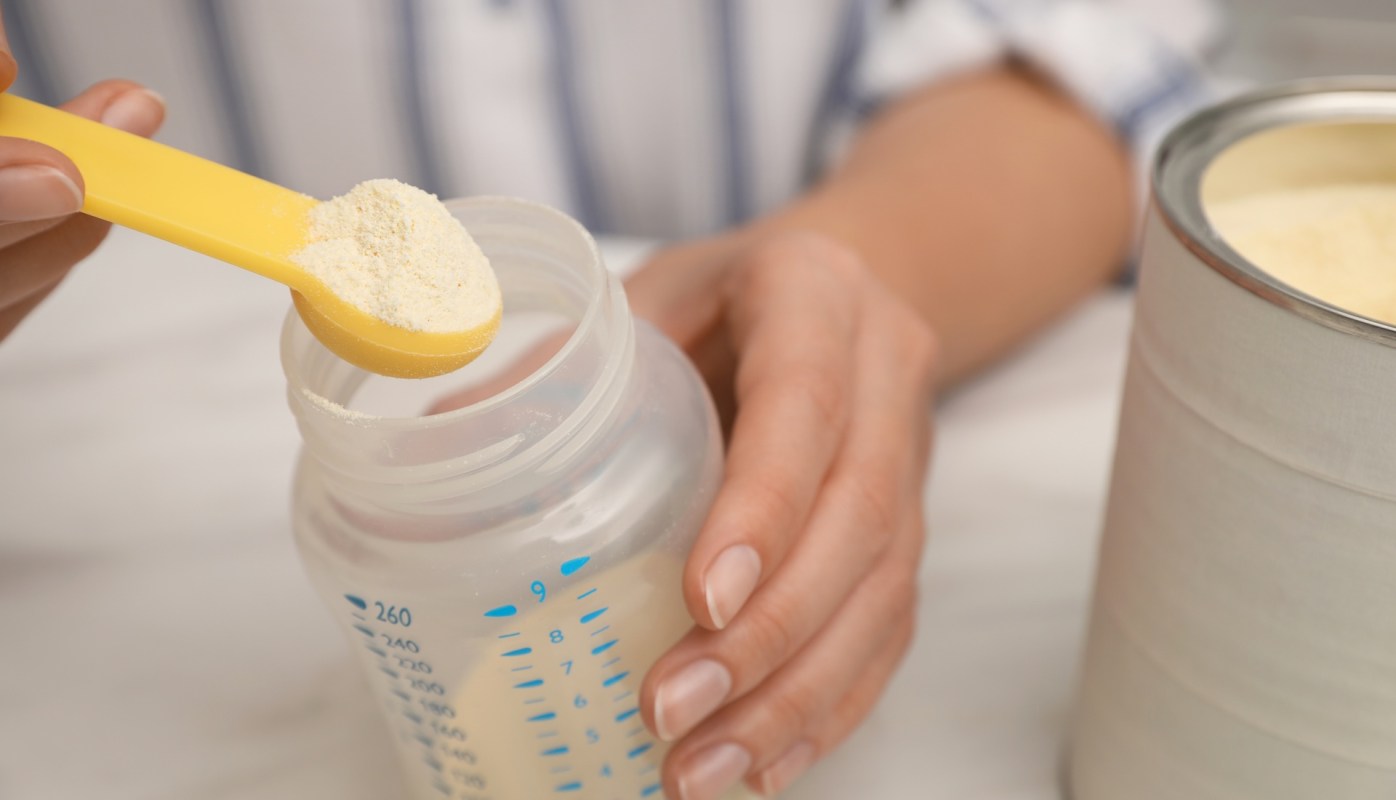
Abbott Laboratories reached the agreement in Gill v. Abbott Laboratories and thousands of related cases after a major Missouri verdict connected its cow's milk-based products for preterm babies to a serious intestinal disease.
Here's what to know
According to Top Class Actions, the Missouri state-court settlement applies to about 2,000 infants, with more than 1,700 additional cases still unresolved. The lawsuits claim the formula causes necrotizing enterocolitis (NEC) — an inflammation of intestinal tissue that causes that tissue to die.
Plaintiffs said Abbott failed to give adequate warnings about an alleged link between NEC and its cow's milk-based specialty formulas for premature infants. Similar allegations have driven years of litigation involving Abbott as well as Mead Johnson Nutrition, another formula maker facing related claims.
One of the most important Missouri cases was brought by Margo Gill, who alleged her daughter developed NEC after being fed Abbott products as a premature infant. A St. Louis jury awarded Gill $95 million in compensatory damages in 2024 and added $400 million in punitive damages.
When a Missouri appeals court left that $495 million verdict intact, pressure increased on Abbott as it considered whether to continue fighting the case.
TCD Picks » Quince Spotlight
💡These best-sellers from Quince deliver affordable, sustainable luxury for all




More background
Before August 19 court documents revealed the settlement, Abbott had been preparing to ask the Missouri Supreme Court to review the Gill case, according to Top Class Actions. Abbott said it opted to settle rather than keep appealing and risk owing about $600 million after interest was taken into account.
Only a small number of these baby formula lawsuits have gone to trial, even though the litigation is widespread. A separate case against Mead Johnson is also moving through federal court in Chicago and hundreds of related claims have been grouped there in a bellwether process that could influence future outcomes.
What can be done?
While these lawsuits appear to be a victory, Abbott said the agreement does not amount to an admission of liability and described it as a strategic move. The company said, "While Abbott remains confident in the safety of these products and the science supporting them, the company believes these agreements are in its best long-term interest and represent a constructive step toward substantially resolving the overall litigation."
Studying product ingredients and company ethics before buying them, especially products for infants and young children, can help with transparency and purchase confidence. Use your purchasing power for good and let your money speak for you by supporting companies, brands, and products that are honest and eco-friendly.

Get TCD's free newsletters for easy tips, smart advice, and a chance to earn $5,000 toward home upgrades. To see more stories like this one, change your Google preferences here.