


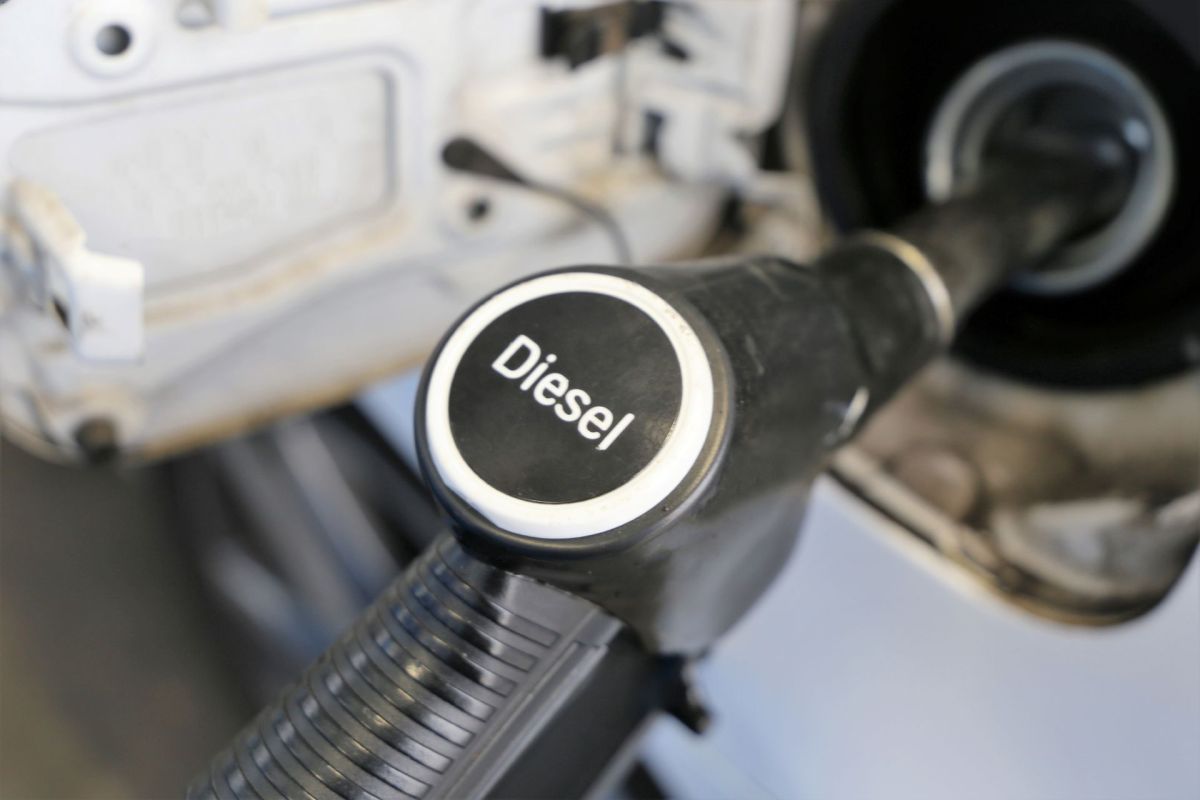
A strong harvest does not always translate into a profitable year, as rising fuel and fertilizer costs squeeze farmers already operating on narrow profit margins.
For Christopher Hudson, a corn and soybean farmer in Pike County, Missouri, diesel prices that climbed nearly $3 a gallon and steep fertilizer bills are cutting into returns from an otherwise successful crop.
Here's what to know
Farmers need the most diesel during harvest, when they gather, process, and transport their crops. According to The Gazette, corn and soybean farms use between three and nine gallons per acre over a season, so the price increase since the start of the year can raise operating expenses by thousands of dollars.
"We're going to have good yields, but we're still not going to make a ton of money," Hudson said. "Between fuel and fertilizer, it's been a costly year."
Some farmers are reconsidering fertilizer use and reducing certain applications as prices return to levels last seen during Russia's 2022 invasion of Ukraine, The Gazette reported. The outlet also reported that the war in Iran contributed to rising fuel prices worldwide.
More background
Farmers pay for seed, supplies, and preparation before spring, but they often wait until fall or longer to see returns on that investment.
TCD Picks » Quince Spotlight
💡These best-sellers from Quince deliver affordable, sustainable luxury for all




According to The Gazette, Hudson stores much of his grain until the harvest rush passes and commodity prices rise. His sales can therefore come a year or more after his initial spending.
That long wait makes financing important. Hudson also sells seeds and fertilizer to nearby farms, providing another income source alongside his crops.
In Iowa, agriculture and related industries contribute $121.1 billion directly and indirectly each year, according to Iowa Farm Bureau data cited by The Gazette. In Missouri, agriculture generates more than $93 billion annually.
David Spielman, a Washington University in St. Louis professor and agricultural economist, explained that agriculture is connected to retail, manufacturing, energy, and transportation. Financial struggles on farms can therefore ripple through the economy.
What's being done?
Missouri Gov. Mike Kehoe lifted agricultural vehicle weight restrictions on local roads and state highways as part of a late-September executive order declaring an emergency for farmers, The Gazette reported. The order also suspended restrictions on red-dyed diesel, a tax-exempt fuel designated for off-road use.
Iowa Gov. Kim Reynolds also lifted those restrictions.
On his farm, Hudson credits precision agriculture, management changes, and shifts in planting schedules with producing larger, more consistent yields.
Spielman's research examines how diversifying operations, managing farms, and enhancing plant genetics can help farmers manage agricultural risks.
Federal crop insurance and government programs also help offset substantial losses. Still, Hudson noted that an insurance payout leaves him with a smaller loss rather than eliminating it.
Despite the financial challenges, Hudson finds reason to be optimistic in what each harvest teaches him.
"The reason I'm optimistic is every year is a new year, and it's a learning experience," he said, according to The Gazette. "This is the time of year when some of those things we've been observing all year, you get to see the proof."

Get TCD's free newsletters for easy tips, smart advice, and a chance to earn $5,000 toward home upgrades. To see more stories like this one, change your Google preferences here.






