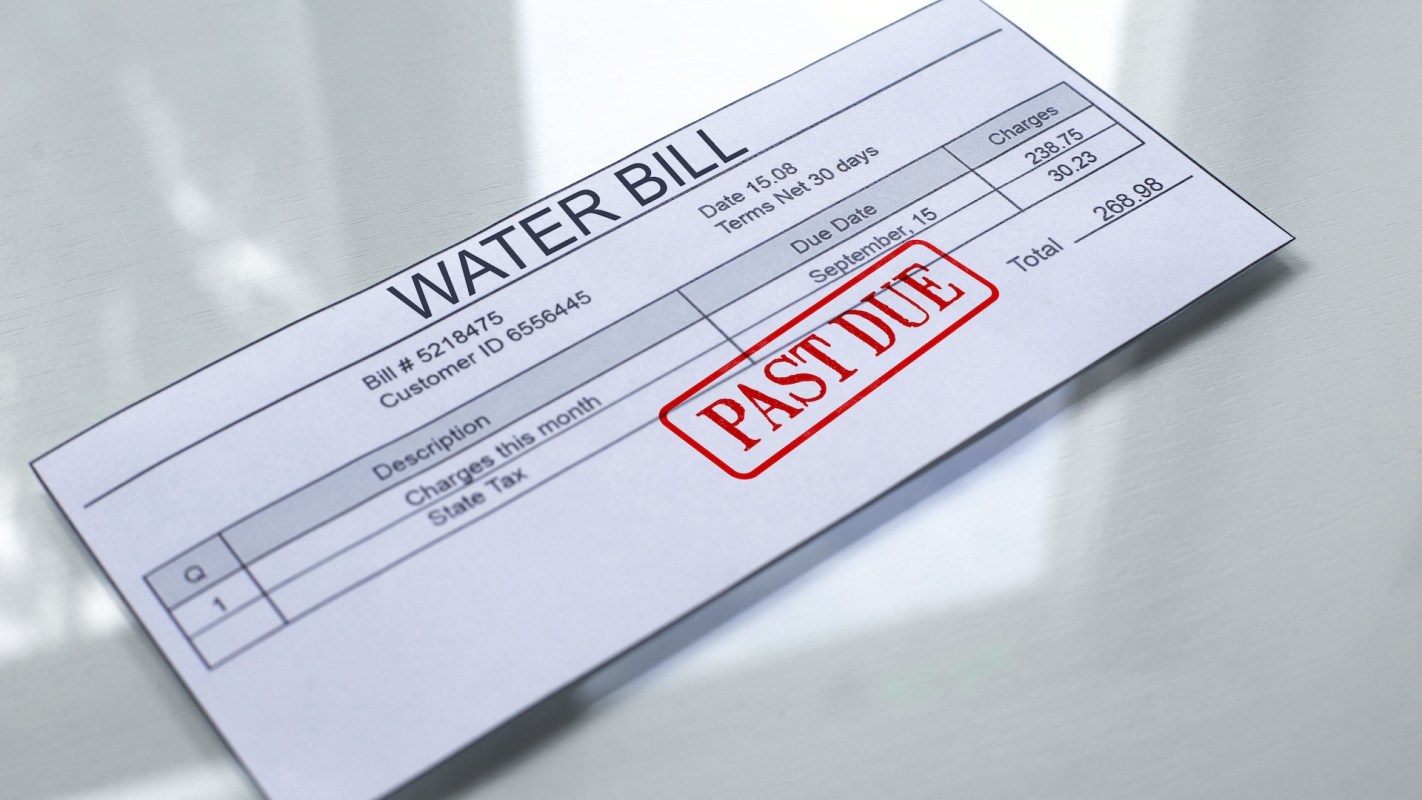
A Mississippi regulator is continuing a push to make basic water service more affordable for low-income households, even after his fellow commissioners declined to support the effort.
De'Keither Stamps, the Central District Public Service Commissioner, is urging Mississippi to consider whether Supplemental Nutrition Assistance Program benefits could be used to pay water utility bills, a change he has said may be the first of its kind.
Here's what to know
Stamps said he intends to keep pursuing the proposal, even after the other two members of the three-person commission voted down a resolution supporting it at the Sept. 1 meeting, according to Mississippi Today. He is the panel's lone Democrat.
The proposal focuses on household water costs for families already struggling with groceries, rent, and electricity. When those bills go unpaid, households can face shutoffs, debt, and difficult tradeoffs between basic necessities.
Losing access to water can create health and safety risks, particularly for children, older adults, and people with medical needs. A policy that gave families more flexibility in covering essential household costs could help ease some of that burden.
Stamps' effort reflects how affordability debates are expanding beyond food and housing to include the cost of maintaining basic utility service. Even without support from the full commission, the proposal has drawn public attention to an issue that often gets less scrutiny than electric bills or fuel costs.
TCD Picks » Quince Spotlight
💡These best-sellers from Quince deliver affordable, sustainable luxury for all




More background
SNAP is intended to help eligible households buy food, so using those benefits to cover water bills would amount to a major policy change. The proposal is facing resistance, and a state regulator's public support is notable.
The Mississippi Public Service Commission oversees utility matters, but it cannot unilaterally change how federal nutrition benefits are used. In practice, that means support from state leaders — and likely broader policy action — would be required before any such change could take effect.
Proposals like this can reshape how affordability is understood for families living on tight budgets. A household that falls behind on a water bill may face penalties, service interruptions, or mounting financial stress that affects other necessities. For many people, utility insecurity is inseparable from food insecurity.
The debate raises the question of whether assistance programs should do more to account for the full cost of maintaining a healthy home. Safe drinking water, sanitation, and reliable utility access are foundational to daily life, not luxuries.
What's being done?
One next step, as Mississippi Today reported, is a letter to Gov. Tate Reeves as Stamps tries to build support outside the commission after the resolution failed. He has said he will keep pressing the idea.
Stamps' continued push keeps water affordability on the agenda, along with utility debt relief, shutoff protections, and other forms of support for struggling households.
The policy remains only a proposal. Stamps' persistence reflects how urgently some officials view the burden of water costs — and how far the debate may still have to go before basic utility affordability is treated with the same urgency as other household essentials.
Where can I learn more?
Mississippi isn't the only place where the cost of water is skyrocketing. Across the country, families are dealing with cleanup-driven bill increases, rate hike battles, and the threat of shutoffs when costs get out of reach.
• In Delaware, lawmakers weighed help for sky-high water bills as PFAS cleanup costs mounted.
• In Cumberland, Md., officials approved water and sewer bill hikes despite resident pushback.
• In Alabama and Georgia, homeowners lost relief for crushing utility bills when Trump's EPA canceled grants.
• In Texas, residents challenged a $4,500 meter demand tied to threatened water shutoffs.
When water costs spike, the effects extend far beyond a single monthly bill, shaping families' health, stability, and decisions about other essentials.

Get TCD's free newsletters for easy tips, smart advice, and a chance to earn $5,000 toward home upgrades. To see more stories like this one, change your Google preferences here.