


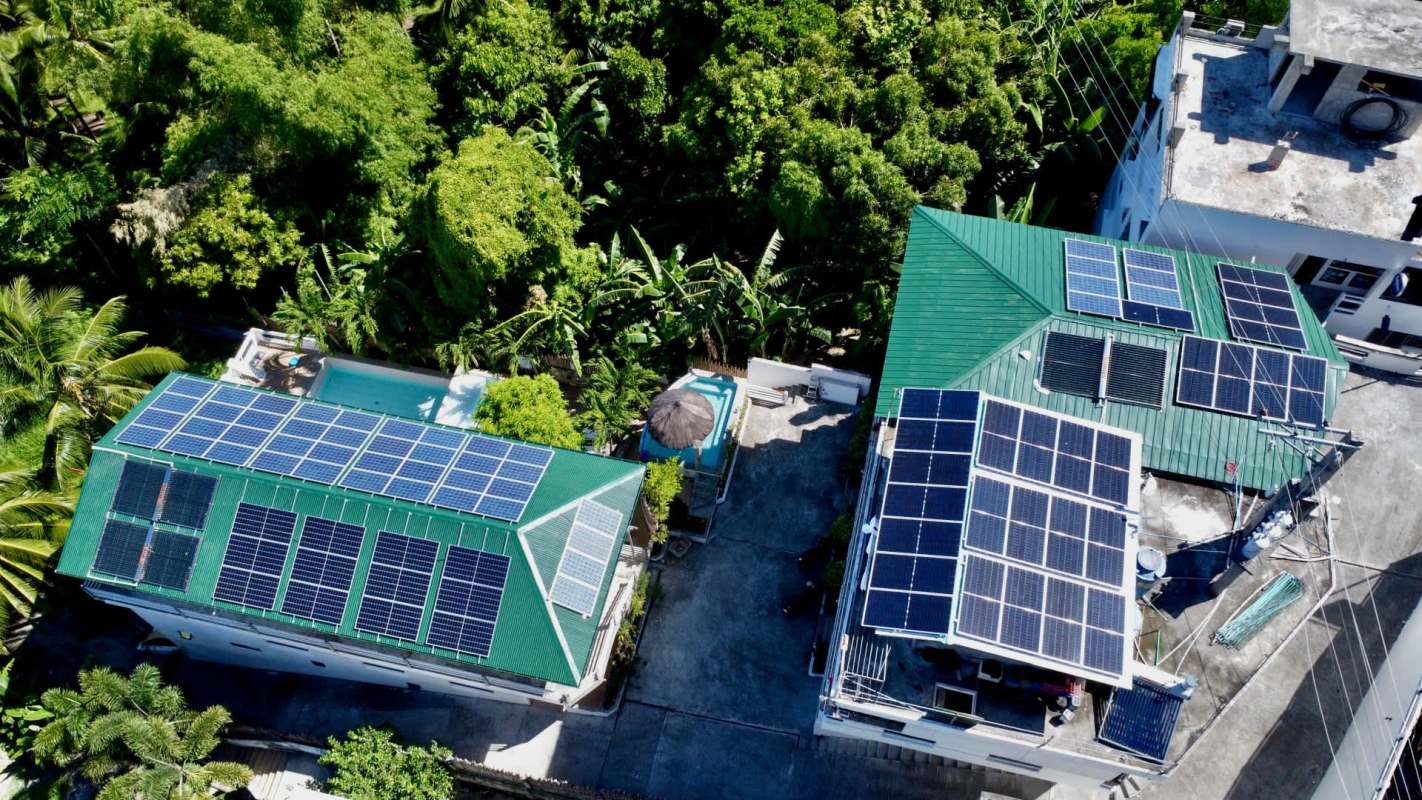
Rising fuel costs linked to conflict in the Middle East are accelerating rooftop solar adoption in the Philippines and Thailand, Eco-Business reported, but the jump in demand is also revealing supply shortages, volatile equipment costs, and concerns about installation quality that could hinder progress.
What's happening?
According to a new briefing note from New Energy Nexus, cited by Eco-Business, Thailand's demand for solar installation training has climbed to about three times its normal level, while average weekly solar installations in the Philippines increased from roughly 29.5 to 68.6, a 170% increase.
Brenda Valerio, director of New Energy Nexus Philippines, said people in the Philippines are already feeling the impact of geopolitical instability "directly through rising electricity bills, unreliable power in some areas, and growing concerns around energy security."
The pressure is particularly apparent for smaller installers, which alleged in the survey that large companies are buying solar components in bulk. One said inquiries had risen 150% without resulting in any completed installations, and another reported 22 confirmed projects stuck in limbo. More broadly, 20 local installers surveyed reported supply bottlenecks and week-to-week changes in equipment prices that make it hard to prepare customer quotes.
Why does it matter?
As electricity becomes more expensive, in no small part because of fossil-fuel dependence, households and businesses are moving faster toward cleaner energy options.
"The energy crisis for us is no longer an abstract conversation on global fuel prices or geopolitical instability," Valerio said.
Rooftop solar can be especially attractive where power systems are fragile or fragmented, offering users steadier costs and more say over their own electricity supply.
Thailand also illustrates how a market can outpace the systems that support it. Build Khwamchareon, New Energy Nexus' head of programmes, warned that untrained contractors "use improper installations and unsatisfactory equipment, pushing safety and reliability concerns up alongside demand."
Save $10,000 on solar panels without even sharing your phone number Want to go solar but not sure who to trust? EnergySage has your back with free and transparent quotes from fully vetted providers that can help you save as much as $10k on installation. To get started, just answer a few questions about your home — no phone number required. Within a day or two, EnergySage will email you the best local options for your needs, and their expert advisers can help you compare quotes and pick a winner. |

What's being done?
New Energy Nexus says expanding solar safely will take more than simply adding panels. It is urging better workforce training, stronger local networks, improved access to financing, and clearer quality standards so the sector can grow without compromising safety or reliability.
Interest in solar training in Thailand is already drawing electricians, farmers, hotel workers, and people seeking a second career.
Beginning in June, Thailand will roll out its first major overhaul of household electricity pricing in more than 20 years, as Eco-Business reported. Smaller users are set to pay less, while heavier users will face higher bills and stronger reasons to install rooftop solar, take advantage of tax breaks, and sells excess electricity back to the grid.
If you want to make the switch to solar power, EnergySage can connect you with vetted local installers and save you up to $10,000 on your installation by curating competitive bids. If buying panels isn't in your budget, Palmetto's $0 down LightReach leasing program can lower your utility rate by up to 20%.
More From EnergySage
💡Go deep on the latest news and trends shaping the residential solar landscape


If you choose to buy, EnergySage's free mapping tool can help you discover incentives in your area. You can also explore your battery storage options with EnergySage. Battery storage can boost your home's resilience against outages and potentially allow you to gain energy independence by going off-grid.

Get TCD's free newsletters for easy tips, smart advice, and a chance to earn $5,000 toward home upgrades. To see more stories like this one, change your Google preferences here.






